

Are all GE over-the-range microwaves the same size?
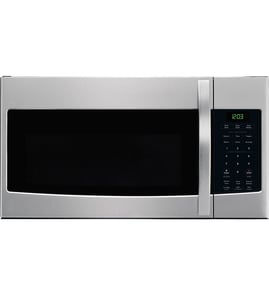
No. GE over-the-range microwaves are not all the same size, but most are built to fit a standard 30-inch cabinet opening. For your GE PVM9215SK4SS microwave/hood combo, the key is matching the cutout width and the mounting and venting setup, not just the brand.
What is usually “the same” vs. different
Most over-the-range (OTR) microwaves are designed around common cabinet standards, but dimensions still vary by model.
- Usually consistent: overall width is commonly about 30 inches to match a 30-inch cabinet opening
- Often different: height and depth (front-to-back), which affect cabinet clearance and how far the unit sticks out
- Can also differ: mounting plate hole pattern, top cabinet bolt locations, and venting outlet position
What to match when replacing an OTR microwave
To replace an existing unit with another GE model, we recommend matching these items first:
- Cabinet opening width (typically 30 inches)
- Bottom-to-cabinet clearance above the cooktop
- Venting type (recirculating with charcoal filter vs. outside vented)
- Vent direction (top vent vs. rear vent)
- Mounting plate and top cabinet bolt pattern
Quick fit checklist
| Fit item | Why it matters | What to compare |
|---|---|---|
| Width | Must fit cabinet opening | Old unit vs. new unit width |
| Height/depth | Clearance and door swing | Overall dimensions |
| Venting | Duct alignment | Top/rear discharge location |
| Mounting | Safe support | Bracket and bolt locations |
Why it matters
Even when two GE OTR microwaves are both “30-inch models,” small differences in height, depth, or vent location can force cabinet modifications or prevent the duct from lining up. Matching the installation footprint avoids rework and helps ensure proper airflow.
Related repair and troubleshooting help
If you are replacing because the microwave runs but does not heat, these guides help you narrow down the cause before you swap the whole unit:
Last updated: January 2026
What are common problems with GE profile microwaves?
Common problems we see on GE Profile over-the-range units like model PVM9215SK4SS include no heat, intermittent running, sparking/arcing, a dead display or unresponsive keypad, and door-latch issues. Many symptoms trace back to door interlock parts, overheating protection devices, or high-voltage components.
Most common symptoms and what they usually point to
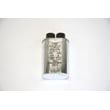
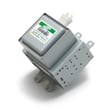
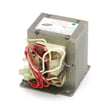
- Runs but does not heat: magnetron, high-voltage diode, high-voltage capacitor, or high-voltage transformer
- Dead or intermittent power: thermal cut-off, loose wiring, or a failing control board
- Sparking/arcing inside cavity: food splatter, damaged waveguide cover, or metal contacting the cavity (rack, twist-tie, foil)
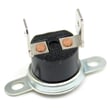
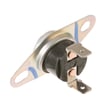
- Starts then stops: overheating thermostat/thermal cut-off opening, blocked venting, or a door switch issue
- Door won’t start the microwave reliably: worn door interlock switch or switch lever
Parts that commonly fail on PVM9215SK4SS
These are model-matched parts customers often replace when troubleshooting the symptoms above:
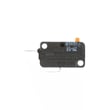
- Micro-switch WB24X830 (door interlock switch)
- Microwave door interlock switch lever WB06X10128 (actuator that helps the switch engage)
- Microwave magnetron WB27X11079 (primary heating component)
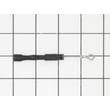
- Microwave high-voltage diode WB27X1160 (part of the high-voltage circuit)
- Microwave high-voltage capacitor WB27X10011 (part of the high-voltage circuit)
Quick checks you can do before ordering parts
- Confirm the door closes firmly and the latch feels solid (no sagging or “bounce”).
- Clean the cavity and ceiling area; baked-on grease can cause arcing.
- Make sure the vent fan and grease filter are clean so the unit does not overheat.
- Test with a cup of water; if it runs quietly but never warms, focus on the high-voltage heating circuit.
- If the display is dead, verify the outlet has power and the breaker is not tripped.
Symptom-to-part cheat sheet
| Symptom | Most likely area | Common part examples |
|---|---|---|
| Runs, no heat | High-voltage circuit | Magnetron, diode, capacitor |
| Won’t start, door feels “off” | Door interlock system | Micro-switch, switch lever |
| Stops mid-cycle | Overheat protection/airflow | Thermostat, thermal cut-off, filters |
| Dead display | Power/control | Control board, wiring |
Why it matters
Microwave/hood combos use door interlocks and high-voltage components to control heating safely and consistently. Correctly matching the symptom to the system (door, airflow/overheat, control, or high-voltage) prevents repeat failures and unnecessary part returns.
Last updated: January 2026
What's the average lifespan of a GE microwave?
A GE microwave, including over-the-range models like PVM9215SK4SS, typically lasts 8 to 10 years with normal household use. Heavy daily use, poor ventilation, and skipped cleaning shorten life; keeping the cavity and filters clean helps it reach the upper end of that range.
What affects lifespan the most
- Daily run time: multiple long heating cycles per day wear components faster.
- Ventilation and heat: blocked airflow can overheat internal parts.
- Grease and steam exposure: common on microwave/hood combos above ranges.
- Door wear: slamming the door can damage interlock components.
- Power quality: frequent surges can stress the electronic control board.
Maintenance that helps a microwave/hood combo last longer
- Clean the interior regularly; food splatter can cause arcing and odor.
- Wash or replace the grease filter on schedule; for this model, use the microwave grease filter WB02X11534.
- If your unit is set up for recirculating (non-vented) operation, replace the charcoal filter when odors linger; use the microwave charcoal filter WB02X11544.
- Keep the door closing smoothly; address looseness before it damages switches.
- Avoid running the microwave empty; it can overheat the magnetron.
Common “end-of-life” symptoms and what they usually point to
| Symptom | Most common cause | Typical next step |
|---|---|---|
| Runs but does not heat | High-voltage system issue | Diagnose heating circuit; many repairs involve high-voltage parts |
| Dead, no display | Fuse, wiring, or control issue | Check power supply path and control components |
| Stops mid-cycle | Overheating protection opening | Check airflow, filters, and thermostats |
| Door error, won’t start | Door interlock problem | Inspect latch and switch system |
Why it matters
Microwave/hood combos like the GE PVM9215SK4SS live in a hot, greasy environment above the range. Filter maintenance and good airflow reduce heat stress, which is one of the biggest drivers of early failure.
Last updated: January 2026