Installation guide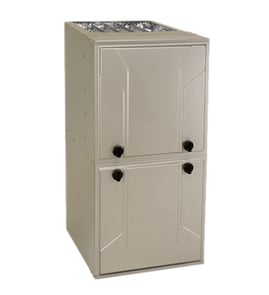



What are the most common furnace repairs?
The most common repairs on an Icp gas furnace like model GNE075B12A1 involve airflow problems (dirty filter or blower issues), ignition problems (pilot/igniter or flame sensing), and safety shutdowns from overheating or venting/combustion-air issues. Many “no heat” calls trace back to maintenance items and a few high-wear parts.
- Air filter and duct restrictions: weak airflow, high limit trips, short cycling.
- Ignition and sensing: furnace tries to light, then shuts off; intermittent heat.
- Blower problems: loud rumble/squeal, poor airflow, overheating.
- Limit switch trips: burners shut off, blower runs to cool the furnace.
- Venting or combustion air issues: nuisance shutdowns, poor draft, unsafe operation.
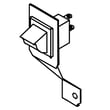
If troubleshooting points to a failed component, these are common repair parts for this model:
- Replace the air filter and confirm supply registers are open.
- Verify thermostat settings (heat mode, setpoint above room temp).
- Check power: furnace switch on, breaker not tripped.
- Look for venting problems: blocked vent, corrosion, loose connections.
- Listen and observe: inducer starts, ignition attempt, burner flame, blower start.
This furnace must be installed and serviced to code, and venting must be correct to prevent carbon monoxide hazards. The installation instructions also recommend annual inspection and service before the heating season by a qualified technician. Use the GNE075B12A1 installation guide for venting, clearances, wiring, ductwork/filter, and maintenance requirements.
| Symptom | Common cause | Typical fix |
|---|---|---|
| No heat, no response | Power/thermostat issue | Restore power, correct thermostat settings |
| Lights then shuts off | Ignition/sensing problem | Clean/replace igniter-sensor assembly |
| Runs briefly, then stops | Overheat/limit trip | Replace filter, check airflow, test limit switch |
| Loud blower noise | Worn wheel/motor | Inspect blower assembly, replace worn parts |
Last updated: February 2026
What is the most common part to fail on a furnace?
On the Icp gas furnace model GNE075B12A1, the most common “failure point” is usually the air filter becoming dirty and restricting airflow, which can overheat the furnace and trip safety controls. After that, ignition-related parts (igniter/flame sensing) and airflow controls are frequent causes.
- Dirty/clogged air filter: reduces airflow, raises temperature, and can trigger a high-limit shutdown.
- Flame sensing or ignition issue: furnace lights briefly then shuts off, or won’t light at all.
- Overheating and limit switch trips: often caused by restricted airflow, closed registers, or blower issues.
- Blower problems: weak airflow, noisy operation, or no air movement.
- Venting or combustion air problems: unsafe operation can cause the furnace to shut down.
If basic checks point to a component problem, these are common service parts we see on furnaces like the GNE075B12A1:
| Symptom | Common suspect | Example part for this model |
|---|---|---|
| Starts then stops after a few seconds | Ignition/flame sensing | Furnace pilot igniter and sensor 1009524 |
| Runs but shuts down on safety | Overheat protection | Limit switch 1013102 |
| Heat is on but airflow is weak/noisy | Blower assembly or wheel | Furnace blower assembly 1013833 |
- Turn thermostat to Heat and raise the set temperature.
- Replace the air filter and make sure supply registers are open.
- Confirm the return air path is not blocked; return ducting should be sealed to the furnace casing.
- Watch the ignition sequence through the burner view area (if accessible) for repeated retries.
- If you suspect a wiring issue, use safe testing practices from the GNE075B12A1 installation guide.
A dirty filter and restricted ductwork can make a good furnace act “broken” by forcing safety shutdowns. The installation guidance for this furnace emphasizes proper ductwork, return air sealing, and safe venting because airflow and combustion conditions directly affect reliability and safe operation.
Last updated: February 2026
What is the cost to replace a furnace part?
For the Icp gas furnace model GNE075B12A1, the cost to replace a furnace part usually equals the part price plus labor. On this model, common parts range from about $20 to $900+ depending on what failed, and professional installation often adds $150 to $1,000+ based on access, diagnostics, and venting or gas-line work.
Below are examples from common GNE075B12A1 parts (part cost only):
| Part type (example) | What it affects | Typical part cost range |
|---|---|---|
| Limit switch | Safety shutoff, overheating protection | $20 to $40 |
| Igniter/sensor | Ignition reliability, flame proving | $150 to $300 |
| Blower components | Airflow, heat delivery | $150 to $450 |
| Gas valve | Gas flow control, ignition sequence | $400 to $900+ |
These factors drive the final installed price more than the part itself:
- Diagnostics time (pinpointing whether the issue is ignition, airflow, or a safety switch)
- Labor complexity (tight clearances, difficult access, extra disassembly)
- Gas and venting checks (especially important on replacement installs and common-vent systems)
- Electrical testing (verifying voltage, continuity, and control signals)
- After-repair verification (leak checks, safe ignition, proper draft and combustion air)
If you already know what failed, these model-matched parts help you estimate quickly:
- Low-cost repair: a limit switch such as limit switch 1013102 plus labor
- Mid-range repair: furnace pilot igniter and sensor 1009524 plus labor
- Higher-cost repair: valve-nat 1170430 plus labor (gas-line handling and leak testing typically apply)
Furnace parts are tied to safe ignition, proper venting, and airflow. The installation instructions for this furnace emphasize venting and combustion-air checks and proper clearances; those steps can add time but help prevent repeat failures and unsafe operation. Use the GNE075B12A1 installation guide to confirm clearances, filter setup, and venting requirements before planning a repair.
Last updated: February 2026
What is the most expensive part to fix on a furnace?
On an Icp gas furnace like model GNE075B12A1, the most expensive repair is typically replacing the heat exchanger because it is labor-intensive and safety-critical. After that, high-cost repairs often involve the blower motor or major gas/ignition components; exact pricing depends on access, venting, and setup.
These are the repairs that usually drive the highest total bill (part plus labor):
- Heat exchanger replacement: highest labor time; requires careful reassembly and combustion safety checks
- Blower motor or blower assembly: high part cost plus time to set speed taps and verify airflow
- Gas valve replacement: requires leak testing and proper manifold pressure setup
- Ignition system repairs (pilot igniter/sensor, pilot burner): troubleshooting time plus safety checks
- Control or fan timing issues: diagnosis time can exceed the part cost
If your repair points to one of these assemblies, it often lands in the “major repair” category:
| Component | What it affects | Example part for this model |
|---|---|---|
| Blower assembly | Airflow through ducts, heat delivery | Furnace blower assembly 1013833 |
| Pilot ignition/sensing | Reliable lighting and flame proving | Furnace pilot igniter and sensor 1009524 |
| Gas valve | Gas flow to burners, safe shutoff | Valve-nat 1170430 |
The heat exchanger sits at the center of the combustion and airflow path. Replacing it typically involves significant disassembly, then verifying venting and combustion air. The installation instructions also emphasize proper venting and clearances because incorrect venting can create unsafe conditions. Use the GNE075B12A1 installation guide to confirm required clearances and venting checks before any major work.
- Confirm the diagnosis with a full heating cycle test (thermostat call, ignition, flame proving, blower on)
- Check airflow restrictions first (dirty filter, blocked returns, closed registers) because they can mimic major failures
- If the furnace is short-cycling, check limit switch operation and duct static pressure
- For any gas component replacement, perform a soap-solution leak test on all joints after reassembly
- If venting was shared with other appliances, verify the venting system is still correctly sized and pitched
Last updated: February 2026