Owner’s manual
 Error Codes





Why does my LG freezer keep icing up at the bottom?
On the LG LRFVS3006S, ice building up on the freezer floor is typically caused by a defrost drain that is clogged or frozen; defrost water cannot flow to the drain pan, so it refreezes at the bottom. A full manual defrost and drain clearing usually fixes it. See the LRFVS3006S owner's manual for model-specific access and care steps.
What to check first (fast, common fixes)
- Unplug the refrigerator before working inside the freezer.
- Remove the freezer drawer/bins and look for a solid ice sheet on the floor.
- Fully melt the ice (door open, towels down); do not chip ice with sharp tools.
- Find the drain opening under/behind the rear freezer panel area and clear slush.
- Flush the drain with hot water (turkey baster works well) until it flows freely.
- Confirm the unit is level and the doors close tightly; poor sealing increases frost and drain icing.
Likely causes and what they look like
| Symptom | Most likely cause | What you’ll notice |
|---|---|---|
| Ice sheet on freezer floor | Drain clogged with ice/debris | Water refreezes after defrost cycle |
| Frost buildup plus water/ice at bottom | Door not sealing or frequent openings | Heavy frost on walls, moisture inside |
| Recurring ice after you clear the drain | Defrost system issue | Frost returns quickly, temps may drift |
Parts that can be involved
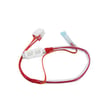
If the drain keeps freezing because the defrost cycle is not clearing frost properly, a failed sensor can contribute to icing problems. For this model, a common related part is the refrigerator defrost sensor assembly 6615JB2005R.
Why it matters
When the drain can’t carry defrost water to the drain pan, water refreezes and can eventually block airflow, reduce cooling performance, and cause leaks when the ice melts.
Prevention tips
- Keep door openings brief and make sure drawers/doors close completely.
- Avoid overpacking the freezer so air can circulate.
- If you use the dispenser often, keep the ice compartment area clear of frost per the operating guidance in the manual.
Last updated: February 2026
What is the most common problem with the LG refrigerator?
For the LG LRFVS3006S, the most common service complaint is a cooling problem: the refrigerator or freezer runs but does not hold temperature. In many cases, the root cause is restricted airflow, a defrost-related issue, or a sealed-system component such as the compressor.
What we check first (fast, no-parts steps)
- Confirm the unit has had time to stabilize after setup; it can take up to 24 hours to reach set temperatures.
- Make sure air vents are not blocked by food packages; blocked vents cause warm sections and uneven cooling.
- Verify the temperature settings are reasonable and adjust one increment at a time, then wait for temperatures to stabilize.
- Avoid operating the refrigerator in very cold spaces; below about 55 °F (13 °C) performance problems can occur.
- If the fresh food section is freezing items, move high-water-content foods away from vents.
For model-specific control and troubleshooting details, follow the steps in the LRFVS3006S owner's manual.
Common “not cooling” causes and the parts that match them
When basic checks do not fix the issue, these are the most common part-related causes we see on bottom-mount refrigerators like this LG:
| Symptom | Likely area | Example part for LRFVS3006S |
|---|---|---|
| Warm fridge and freezer, clicking/buzzing, long run times | Sealed system / compressor | Refrigerator compressor TCA36811409 |
| Frost buildup, warming over time, temperature swings | Defrost sensing/control | Refrigerator defrost sensor assembly 6615JB2005R |
| Water dispenser slow or ice maker not filling | Water supply / inlet valve | Refrigerator water inlet valve AJU75632502 |
| Ice clumping at chute, dispenser issues | Dispenser door/motor | Refrigerator dispenser ice chute door motor EAU59551204 |
Why it matters
Cooling problems are time-sensitive. A refrigerator that cannot circulate cold air properly or cannot remove heat efficiently will run longer, waste energy, and can put food safety at risk. Catching airflow and defrost issues early also helps prevent heavier frost buildup and repeat warm-ups.
Helpful DIY guidance
- Use our LG bottom freezer refrigerator error codes guide if the display shows an error; it narrows troubleshooting to a specific system.
- If the issue is ice or water related, our how to prevent water dispenser and ice maker problems article covers supply pressure, filter habits, and common blockage points.
Ordering the right part
We list model-matched replacement parts for LG LRFVS3006S on this page; you can also search by model number on Sears PartsDirect if you are shopping for additional items like door gaskets, an ice maker, or an air filter.
Last updated: February 2026
What is the average lifespan of an LG refrigerator?
Most LG refrigerators last 12 years on average, and a realistic typical range is 10 to 15 years with normal household use and basic maintenance. For your LG LRFVS3006S, keeping airflow clear, seals tight, and temperatures stable does the most to reach the full lifespan.
Typical lifespan and what affects it most
A refrigerator’s life is usually determined by how hard the sealed cooling system and airflow system have to work.
- Door seal condition (air leaks force longer run times)
- Condenser airflow and cleanliness (dust and pet hair raise operating temps)
- Ice maker and dispenser use (more moving parts, more wear)
- Water quality and water pressure (your manual lists 20 to 120 psi as the acceptable range)
- Room temperature and ventilation (tight cabinets trap heat)
Quick maintenance plan that adds years
Use this schedule as a practical baseline for LG French door, bottom freezer models like the LRFVS3006S.
- Monthly: Check door closing and listen for the door fully sealing
- Every 3 to 6 months: Clean the grille area and vacuum dust from accessible vents
- Every 6 months: Replace the air filter if your unit uses one (helps odors and airflow)
- Anytime ice clumps or slow dispensing happens: Inspect the chute area and keep it dry
- After filter changes or water shutoffs: Purge air from the dispenser line
Parts that commonly influence “end of life” decisions
When a refrigerator stops cooling or has chronic temperature swings, these are the components that most often drive repair cost and downtime.
| System | What fails most often | Example part for LRFVS3006S |
|---|---|---|
| Sealed system | Compressor | Refrigerator compressor TCA36811409 |
| Defrost/temperature sensing | Sensor/thermistor issues | Refrigerator defrost sensor assembly 6615JB2005R |
| Ice and water | Ice maker or valve problems | Refrigerator ice maker AEQ73449909, refrigerator water inlet valve AJU75632502 |
| Door sealing | Torn or warped gasket | Refrigerator door gasket, left ADX72930460, LG refrigerator door gasket, right ADX72930461 |
Why it matters
A refrigerator that runs longer to hold temperature uses more electricity, struggles to keep food safely cold, and puts extra wear on the compressor and fans. Simple items like door gaskets and filters often prevent the “it’s not cooling” failure path.
For model-specific care steps, settings, and water supply requirements, follow the LRFVS3006S owner's manual. For replacement parts, we list model-matched options on this page, and you can also search by model on Sears PartsDirect.
Last updated: February 2026