Owner’s manual
 View engine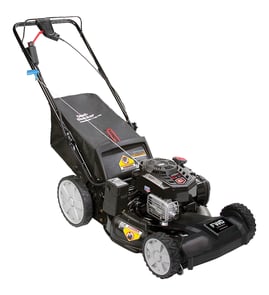



Are gas lawn mowers being phased out?
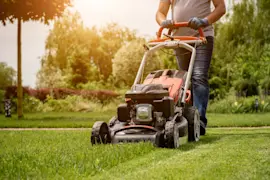
Gas walk-behind mowers like the Husqvarna 917374471 are not being phased out everywhere at once; the shift is happening gradually as some states and local areas restrict new sales of certain gas-powered outdoor equipment, while many other areas still allow them and parts support remains available.
Even as more homeowners consider electric mowers, your gas mower is still a practical choice for many yards. The key is keeping it safe and reliable with routine maintenance and correct operation steps from the 917374471 owner's manual.
- Keep the blade and blade adapter tight; a loose blade or broken adapter can cause a no-start condition.
- Do not make wheel height adjustments while the engine is running.
- Keep safety labels readable and replace them if damaged.
- Use fresh fuel; stale fuel is a common cause of hard starting.
- Let the engine cool before storing; never store with gasoline indoors where fumes could reach a flame or spark.
Rules vary by location, but most changes focus on new equipment sales, not on owning or repairing what you already have.
| Topic | What typically changes | What usually does not change |
|---|---|---|
| Regulations | New sales limits in some areas | Using existing mowers (varies locally) |
| Retail trends | More shelf space for battery models | Availability of common service parts |
| Ownership | Incentives to switch | Repairing and maintaining current equipment |
If your area tightens rules on new gas mower sales, maintaining your current Husqvarna 917374471 becomes even more valuable. Good upkeep also reduces starting problems tied to stale fuel, dirty air filters, and ignition wear.
- How to winterize a lawn mower
- How to keep lawn mower gas from going bad
- How to tune up a lawn mower video
Last updated: January 2026
Is it cheaper to repair or replace a lawn mower?
For a Husqvarna walk-behind mower model 917374471, it’s usually cheaper to repair when the problem is routine maintenance or a small wear item; it’s usually smarter to replace when the repair involves major drive or engine work and the total cost approaches about half the price of a comparable new mower. See the 917374471 owner's manual for maintenance intervals that help prevent expensive failures.
- Repair when the fix is simple, quick, and parts are inexpensive (blade-related hardware, cables, wheels, basic tune-up items).
- Replace when the repair is complex, labor-heavy, or involves major assemblies (engine internal issues, gear case/transmission failures).
- Replace when multiple systems are worn at once (drive + deck + controls), even if each issue is “fixable.”
Many walk-behind mower problems are caused by wear, debris buildup, or missed maintenance.
- Blade service (sharpen or replace) and blade mounting inspection
- Cleaning packed grass from under the deck and drive areas
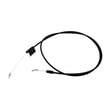
- Replacing a stretched/binding control cable such as the lawn mower zone control cable 532191221
- Fixing wheel/drive wheel binding (cleaning the drive wheel area so wheels turn freely)
- Replacing small hardware that loosens or wears, such as the lawn & garden equipment nut 532409149
| Situation | What it usually means | Typical decision |
|---|---|---|
| Engine has low compression or severe internal damage | Major engine repair or replacement | Replace mower |
| Gear case or drive system needs internal service | Labor-heavy, higher parts cost | Replace mower |
| Repeated failures due to poor maintenance history | More repairs likely soon | Replace mower |
The manual emphasizes routine upkeep (spark plug, air filter, blade checks) because it protects the air-fuel mixture and reduces strain on the drive system. Staying on schedule lowers the chance of a “big repair” that makes replacement the better value.
Last updated: January 2026
What is the life expectancy of a gas lawn mower?
A typical gas walk-behind lawn mower lasts 8 to 10 years with normal residential use and consistent maintenance. For your Husqvarna 917374471, following the oil-change, air-filter, spark plug, and cleaning schedule in the 917374471 owner's manual is the most reliable way to reach that lifespan.
- Oil care: check oil before starting and during extended use; change oil about every 25 hours or at least yearly.
- Air filter and spark plug: replace at least once a year (more often in dusty conditions).
- Deck and engine cleaning: scrape built-up grass after each use; keep engine cooling areas clear.
- Blade condition: replace or sharpen when worn; a dull blade strains the engine.
- Fuel storage habits: avoid storing old fuel; prep the fuel system before seasonal storage.
| Task | Common interval | Why it helps |
|---|---|---|
| Check engine oil level | Before each mow | Prevents low-oil engine damage |
| Change engine oil | Every ~25 hours or yearly | Reduces wear and heat |
| Clean under deck | After each use | Improves cut and reduces corrosion |
| Replace spark plug | Yearly | Helps starting and smooth running |
| Clean/replace air filter | Yearly (more in dust) | Protects engine from dirt |
Most “mower life expectancy” problems come from heat and wear inside the engine. Clean airflow, clean oil, and a clean deck reduce load on the engine and drive system, so the mower keeps starting easily and cutting consistently for years.
- Worth repairing: worn blade, clogged air filter, old spark plug, drive belt issues, wheel hardware.
- Often not worth it: repeated hard-starting after tune-up steps, heavy smoke, or persistent loss of power (signs of deeper engine wear).
Last updated: January 2026