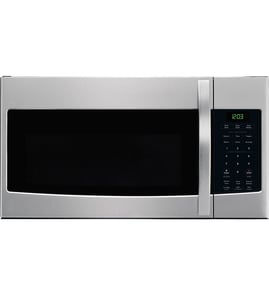


Is WMH31017HZ09 energy efficient?
Whirlpool WMH31017HZ09 is typically energy efficient for an over-the-range microwave because it uses short cook times and a small cooking cavity compared with full-size ovens. For the best real-world efficiency, we focus on using the right power level, keeping airflow clear, and maintaining key door and control components.
What “energy efficient” means for a microwave/hood combo
Microwaves are generally efficient at heating food because they deliver energy directly into the food instead of heating a large oven cavity first. With a microwave/hood combo like WMH31017HZ09, energy use also depends on how often you run the hood fan and cooktop light.
Typical energy users on this model type:
- Magnetron and high-voltage system during cooking
- Hood fan motor when venting
- Cooktop light when used as task lighting
- Control board and display (small, continuous draw)
How to use WMH31017HZ09 more efficiently
- Use a lower power level for longer heating when appropriate; it reduces overheating and re-cooks.
- Cover food to shorten cook time and improve even heating.
- Keep the vent grille clean so the hood fan moves air efficiently.
- Turn the hood fan on only as needed for smoke and steam.
- Replace failing door-switch parts promptly; misaligned door interlocks can cause wasted run time or no-heat symptoms.
Parts that can affect performance (and perceived efficiency)
If the microwave runs but does not heat, it can waste electricity without cooking effectively. These parts are commonly involved in heating and door-safety operation:
| Symptom | What it can mean | Example part on this model page |
|---|---|---|
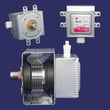
| Runs but no heat | High-voltage component issue | Microwave magnetron W10754299 |
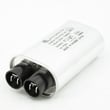
| Runs but no heat, buzzing | Capacitor or diode issue | Gaoxin-hvd c W11256462 |
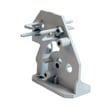
| Starts then stops, door-related issues | Door switch/interlock problem | Assembly, lower interlock (includes switches) W11551761 |
Why it matters
When the heating system and door interlocks are working correctly, WMH31017HZ09 reaches target temperature faster, which lowers total run time and reduces wasted energy. Good venting also helps your cooktop run cleaner and can reduce how long you need to run the hood.
For more troubleshooting steps if it runs but does not heat, use our guide: why is my microwave not heating
Last updated: February 2026
What are common problems with whirlpool microwaves?
Common problems with Whirlpool microwaves like model WMH31017HZ09 include not heating, not starting, sparking/arcing, loud buzzing or rattling, and turntable or vent fan issues. Many symptoms trace back to door interlock switching, high-voltage components, airflow restrictions, or a failing control.
Most common symptoms and what they usually mean
- Runs but does not heat: often a high-voltage failure (diode, capacitor, magnetron, or transformer)
- Dead or intermittent power: power cord/outlet issue, internal fuse, or control board problem
- Starts then stops when the door moves: door latch alignment or interlock switch/assembly problem
- Sparking or burning smell: food splatter, damaged waveguide cover, or metal/foil contact
- Turntable not rotating: turntable motor or drive coupling issue
- Loud hum/buzz while trying to heat: high-voltage component strain (diode/capacitor/magnetron)
Quick checks we recommend before replacing parts
- Confirm the door closes firmly and the latch area is clean.
- Try a simple reset: unplug for 2 minutes, then restore power.
- Test heating with a mug of water for 60 seconds (listen for abnormal buzzing).
- Inspect the cavity for grease buildup or anything metallic causing arcing.
- Verify the turntable is seated correctly on the drive.
Parts that commonly fix these issues on WMH31017HZ09
| Symptom | Common part area | Example part on this model |
|---|---|---|
| Not heating | High-voltage circuit | Microwave magnetron W10754299 |
| Not heating, loud hum | Diode/capacitor | Gaoxin-hvd c W11256462 or capacitor W10850446 |
| Won’t start or door-related stopping | Door interlock system | Interlock WPW10156813 or assembly, lower interlock (includes switches) W11551761 |
| Turntable not turning | Turntable drive | Microwave turntable motor W10642989 |
Why it matters
Microwave/hood combos use a high-voltage system for heating; when those parts weaken, you can get “runs but no heat,” unusual noises, or repeated stopping. Door interlock problems can also prevent safe operation and mimic power or control failures.
For deeper troubleshooting steps, use our DIY guide: why is my microwave not heating.
Last updated: February 2026
What is WMH31017HZ09 used for?
The Whirlpool WMH31017HZ09 is an over-the-range microwave/hood combo used to heat and cook food in the microwave while also venting smoke, steam, and cooking odors from the cooktop below. It combines a microwave cavity, a hood fan, and a cooktop light in one appliance.
What this model does in your kitchen
You typically use a microwave/hood combo like the WMH31017HZ09 for:
- Reheating leftovers and beverages quickly
- Defrosting foods by time or weight
- Cooking common microwave items (vegetables, popcorn, etc.)
- Ventilating the range area using the hood fan
- Lighting the cooktop with the built-in lamp
Parts that support those functions
If one of the core functions stops working, these model-matched parts are commonly involved:
| Function | What you may notice | Example model-matched part |
|---|---|---|
| Heating | Runs but does not heat | Microwave magnetron W10754299 |
| Door safety | Won’t start, stops when door moves | Assembly, lower interlock (includes switches) W11551761 |
| Venting | Fan is noisy, weak, or not running | 300cfm hood W11441128 |
| Turntable | Plate does not rotate | Microwave turntable motor W10642989 |
| Cooktop light | Light out or flickering | Halogen g9 lamp 120v/40w 60hz W11520384 |
Why it matters
Because the WMH31017HZ09 handles both cooking and ventilation, a single issue (like a failed interlock switch or a weak hood fan) can affect daily cooking convenience and kitchen air quality.
Helpful DIY guidance
For symptom-based troubleshooting, we use these guides often:
Last updated: February 2026
What is the life expectancy of a Whirlpool microwave?
A Whirlpool microwave, including the Whirlpool WMH31017HZ09 microwave/hood combo, lasts 7 to 10 years with normal household use. Heavy daily cooking and heat or grease exposure from the cooktop below can shorten that to 4 to 6 years; regular cleaning and good airflow help it reach 10 years.
Typical lifespan and what affects it
Most over-the-range microwaves wear out from electrical, heating, or door-safety components rather than the cabinet.
- Light use (reheating only): closer to 10 years
- Normal use (daily): 7 to 10 years
- Heavy use (multiple long cycles daily): 4 to 6 years
- Poor ventilation or blocked filters/grille: increases heat stress
- Power surges/outages: can damage the electronic control
Signs it is nearing end of life
These symptoms can be repairable, but they are common as microwaves age.
- Runs but does not heat
- Intermittent heating or longer cook times
- Dead display or unresponsive keypad
- Door issues (won’t latch, only runs when pushed)
- Loud humming, burning smell, or breaker trips
For no-heat symptoms, use our troubleshooting steps in why is my microwave not heating.
Repair vs. replace: quick guide
| Symptom | Common area involved | Typical next step |
|---|---|---|
| No heat, lights and fan work | High-voltage heating circuit | Diagnose heating components; replace failed part if cost-effective |
| Won’t start when door closes | Door interlock system | Inspect door switches and mounts; replace as needed |
| Keypad or display problems | Control panel or control board | Check wiring connections; replace the failed control part |
Common parts tied to lifespan on WMH31017HZ09
If your symptoms match, these model-specific parts are often involved:
- Microwave magnetron W10754299 (heating source)
- Microwave high-voltage capacitor W10850446 (supports the heating circuit)
- Interlock WPW10156813 (door safety switch function)
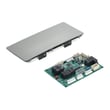
- Microwave electronic control board W11552018 (power and control logic)
Why it matters
Microwaves rely on a high-voltage heating system plus door interlocks for safe operation. When heating performance drops or door-safety parts wear, problems show up quickly; addressing symptoms early helps you decide whether repair is worthwhile.
Last updated: February 2026