Owner’s manual
 Error Codes





Is it cheaper to repair or replace a water heater?
For the American BFG1F5040T3NOV gas water heater, it’s cheaper to repair when the tank is sound and the failure is in a serviceable part (pilot/ignition, gas valve, drain valve, T&P valve). Replace the heater when the tank is leaking, badly corroded, or has been submerged in water.
Quick decision checklist
- Repair when you have no tank leak and the issue is isolated (no pilot, won’t stay lit, leaking drain valve, dripping T&P valve).
- Replace when the tank itself leaks (water around the base, rusted tank seams).
- Replace if the heater has been under water or gas controls/burner area were submerged (the manual calls for replacement in flood conditions).
- Repair when the fix is a normal wear item and access is straightforward.
- Replace when multiple major parts are failing close together (repeat no-heat calls, repeated pilot outages plus valve issues).
Typical cost logic (repair vs. replace)
| Situation | Usually the cheaper move | Why |
|---|---|---|
| Pilot will not light or stay lit | Repair | Often limited to ignition/pilot components or safety devices |
| Water drips from drain valve | Repair | Valve replacement is typically low labor and low risk |
| T&P valve weeps occasionally | Repair (after diagnosing cause) | Often a valve or pressure/thermal expansion issue |
| Water pooling from tank body | Replace | Tank failure is not a practical repair |
| Unit was submerged/flooded | Replace | Safety-critical gas components can be compromised |
Model-specific parts that commonly drive “repair” decisions
If your symptoms match, these are common repair paths for this model:
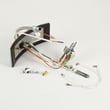
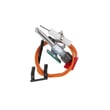
- Water heater pilot igniter 100110936 (pilot won’t light or won’t stay lit)
- Water heater natural gas valve 100093794 (gas control problems, no burner operation)
- Drain valve 100109106 (leaking at the drain outlet)
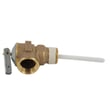
- T&p valve 100108279 (relief valve leaking or not sealing)
Why it matters
A gas water heater repair is only a good value when it restores safe, reliable operation without chasing repeated shutdowns. The BFG1F5040T3NOV includes safety shutoffs (pilot flame sensing and high-temperature limit); when those systems trip repeatedly, you want a clear root cause before investing in multiple parts.
What we recommend before spending money
- Confirm whether the leak is from a fitting/valve versus the tank body.
- If the heater has been unused for 2+ weeks, follow the safety guidance about opening a hot faucet to vent possible hydrogen gas.
- Use the lighting and shutdown troubleshooting steps in the BFG1F5040T3NOV owner's manual to narrow the failure to pilot/ignition, gas control, or venting.
Last updated: February 2026
What is the average cost of a 50 gallon gas water heater?
A 50-gallon gas water heater typically runs about $600 to $2,000+ for the unit, and about $1,000 to $3,100+ installed once you include labor, venting, gas-line work, and code-required items. For the American BFG1F5040T3NOV, costs vary most by vent type, BTU recovery rate, and installation complexity.
Typical price ranges (unit vs. installed)
| What you’re paying for | Typical range | What drives the price |
|---|---|---|
| Water heater (tank only) | $600 to $2,000+ | Brand, warranty length, efficiency, high-recovery BTU rating, Ultra Low NOx, power vent vs. atmospheric vent |
| Installation labor | $400 to $1,000+ | Local rates, access, haul-away, permit/inspection, gas and vent modifications |
| Common add-ons | $100 to $800+ | New shutoff valves, flex connectors, drip pan, vent pipe changes, expansion tank |
What most affects your installed cost
- Venting changes (draft hood vs. power vent) and any chimney or flue upgrades
- Gas supply sizing and pipe length; longer runs can require larger pipe to meet BTU demand (see the sizing guidance in the BFG1F5040T3NOV owner’s manual)
- Combustion air requirements if the heater sits in a closet or small room
- Closed water system needs; many homes need a thermal expansion solution to prevent T&P valve discharge
- Disposal and permit/inspection fees in your area
Why it matters
A “cheap” tank can become an expensive project if the install needs venting, combustion air, or gas-line updates. Following the clearances, air supply, and piping guidance in the BFG1F5040T3NOV owner’s manual helps you avoid performance issues and nuisance problems like pressure relief discharge.
Parts that can add cost if they need replacement
If you’re pricing a replacement because the current heater is leaking, not heating, or has ignition issues, these common parts can factor into the decision:
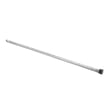
- Water heater anode rod 100109594 (helps protect the tank from corrosion)
- T&p valve 100108279 (safety relief valve; may discharge if pressure rises)
- Drain valve 100109106 (used for draining and flushing)
Last updated: February 2026
What is the average cost to install a 40 gallon gas water heater?
A typical professional install for a 40-gallon gas water heater runs about $1,650 for a straightforward, like-for-like replacement. If you are pricing installation for American Water Heaters model BFG1F5040T3NOV, confirm the actual tank size, venting, and gas supply requirements in the BFG1F5040T3NOV owner's manual so your quotes match the correct scope.
Typical installed cost range (what most homeowners see)
Install pricing varies mainly by venting, gas piping, and code upgrades.
- Simple replacement in an accessible location: $1,200 to $2,000
- More involved replacement (venting or gas line changes): $2,000 to $3,500+
- Permits and inspection: commonly added where required
| Scenario | What changes | Cost direction |
|---|---|---|
| Like-for-like swap | Same fuel, similar venting, easy access | Lower |
| Venting modifications | New vent connector, chimney liner, clearance changes | Higher |
| Gas line resizing | Pipe changes to meet BTU demand | Higher |
| Closed water system | Expansion tank and related fittings | Higher |
What is usually included in the install price
Most installers bundle labor plus common materials for reconnecting water, gas, and venting.
- Removal and disposal of the old water heater
- Reconnecting hot and cold water lines and checking for leaks
- Reconnecting the gas line and performing a gas leak test
- Verifying vent draft and combustion air supply
- Startup, lighting, and temperature setting
Model-specific items to verify for BFG1F5040T3NOV
This model is a Category I, non-direct vented gas water heater; installation details affect both safety and cost.
- Install indoors, vertical, on a level surface
- Keep the vent run as short as practical with minimal elbows
- Size the gas supply based on the input rating shown on the data plate
- If your home has a closed water system, plan for an expansion tank
Why it matters
Accurate quotes depend on matching the heater type and installation requirements. Confirming the BFG1F5040T3NOV installation details up front prevents change orders and helps ensure safe, code-compliant operation.
Last updated: February 2026
What is the average labor cost to install a 50 gallon gas water heater?
For a 50-gallon gas water heater like American model BFG1F5040T3NOV, average labor to remove and replace an existing unit typically runs $400 to $1,000+. Labor goes up when the installer must modify gas piping, venting, combustion air, or bring the installation up to current code requirements (all covered in the BFG1F5040T3NOV owner's manual).
What usually changes the labor price
Labor is mostly driven by how much work is required beyond a straight swap.
- Venting changes (draft hood, vent connector, chimney tie-in)
- Gas line work (new shutoff, sediment trap, resizing pipe)
- Water piping updates (new shutoffs, dielectric unions, rerouting)
- Drain pan and drain routing to protect the home from leaks
- Permit and inspection time (varies by area)
- Access difficulty (tight closet, attic, crawlspace)
Typical labor scenarios (labor only)
| Installation scenario | What it includes | Typical labor range |
|---|---|---|
| Like-for-like replacement | Disconnect, haul away, reconnect existing vent and lines | $400 to $700 |
| Replacement with minor updates | Small gas or water line changes, new shutoffs, minor vent tweaks | $700 to $1,200 |
| Complex install or relocation | New vent route, significant gas piping, code upgrades, moving location | $1,200 to $2,500+ |
Code and safety items that can add time
Your manual calls out requirements that often trigger extra labor, such as installing per local codes and the National Fuel Gas Code, providing proper combustion air and venting, and using a drain pan where leakage could damage the structure. We also recommend budgeting for proper T&P relief valve discharge piping and, where needed, an expansion tank.
- Install per local/state codes and fuel gas code guidance
- Verify combustion air supply and venting layout
- Confirm gas pipe sizing for the heater input rating
- Route T&P discharge correctly (no caps or plugs)
Why it matters
A low labor quote often assumes a simple swap. If your BFG1F5040T3NOV installation needs venting or gas supply corrections, the job takes longer and costs more, but it also improves reliability and safe operation.
Last updated: February 2026
What is the most common problem with gas water heaters?
The most common gas water heater problem is ignition failure, meaning the pilot will not light or will not stay lit. On the American BFG1F5040T3NOV, this typically points to the pilot/ignition components or safety shutdown conditions; use the lighting steps in the BFG1F5040T3NOV owner's manual to confirm proper startup.
What to check first (safe, quick checks)
- Make sure the gas supply is on; if you smell gas, stop and follow the safety instructions in the manual.
- If the heater has been unused for 2 weeks or more, run hot water at a kitchen faucet for several minutes before using any electrical appliance (hydrogen gas can be present).
- Verify the pilot lighting sequence: temperature dial to lowest, hold the reset button, click the igniter, and confirm pilot flame through the viewport.
- If the unit overheats or the gas control does not shut off, turn off the manual gas control valve and use a qualified technician.
- If the heater was ever under water (flooding), the manual calls for replacement of the water heater.
Common causes and the parts that usually fix them
| Symptom | Most likely cause | Typical fix |
|---|---|---|
| Pilot will not light | Ignition/pilot component issue | Inspect/replace pilot assembly components |
| Pilot lights but will not stay lit | Weak/unstable pilot flame, safety shutdown | Clean burner area, verify venting, service pilot system |
| Rumbling or popping | Sediment buildup in tank | Flush tank, check drain valve operation |
| Water too hot | Thermostat set too high, stacking | Set to 120°F starting point; add anti-scald device |
If you are replacing parts for ignition issues, match your exact configuration to the correct pilot igniter: water heater pilot igniter 100110927 or water heater pilot igniter 100110936. For maintenance flushing, a leaking or clogged drain can point to the drain valve 100109106.
Why it matters
Pilot and combustion problems can stop hot water completely, and safety systems can shut the heater down to prevent fire or carbon monoxide risks. Keeping the pilot system, venting, and temperature settings correct also helps efficiency and reduces nuisance shutdowns.
Last updated: February 2026
What's the average lifespan of a 50-gallon water heater?
A 50-gallon gas water heater like the American BFG1F5040T3NOV typically lasts 10 to 15 years. With consistent maintenance (especially flushing sediment and inspecting the anode rod), many units reach the high end of that range; neglected tanks often fail sooner.
Typical lifespan and what changes it
Most of the lifespan comes down to corrosion control, sediment buildup, and operating conditions.
- Water quality: hard water and aggressive (corrosive) water shorten tank life
- Water softeners: softened water can be more corrosive to the tank, so maintenance matters more
- Sediment: buildup reduces efficiency and can overheat the tank bottom
- Temperature setting: higher temps increase stress on the tank and components
- Maintenance frequency: regular draining and inspections extend service life
Maintenance that extends tank life (most important)
Your BFG1F5040T3NOV owner's manual calls out anode-rod inspection as a key maintenance item: inspect about every 3 years and replace if it is more than 50% depleted.
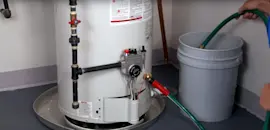
- Flush or drain some water periodically to reduce sediment
- Inspect and replace the anode rod on schedule
- Watch for temperature and pressure relief valve discharge (often tied to thermal expansion)
- Keep combustion air and venting conditions correct (for safe, stable operation)
- Address “rotten egg” odor early; it is commonly linked to anode rod reactions
Quick rule of thumb
| Water heater age | What we recommend | Why |
|---|---|---|
| 0 to 5 years | Maintain and monitor | Prevent early corrosion and sediment issues |
| 6 to 10 years | Step up inspections | Catch anode depletion and early leaks |
| 10 to 15 years | Plan for replacement | Failure risk rises quickly |
Parts that commonly support longer life
If you are maintaining this model, these parts are often involved:
- Water heater anode rod 100109594 (helps protect the tank from corrosion)
- Drain valve 100109106 (helps with draining and flushing)
- T&p valve 100108279 (critical safety valve; replace if leaking or not operating correctly)
Why it matters
A water heater tank usually fails from internal corrosion or stress from sediment and pressure swings. Staying ahead of anode-rod wear and sediment buildup is the most reliable way to get the full expected lifespan from a 50-gallon tank.
Last updated: February 2026