Owner’s manual
 Error Codes




How old is my water heater by the serial number?
To estimate the age of your Kenmore gas water heater model 153331630, use the serial number on the rating plate and decode it using the manufacturer’s date format (often year-week or month-year). The exact pattern depends on who built the Kenmore unit, so matching the serial format is the key step.
Where to find the serial number
Look for the rating plate label on the tank (commonly on the side of the jacket near the gas control valve area).
- Write down the model number (153331630) and serial number exactly
- Note the gas type (natural gas vs. LP) listed on the label
- Take a clear photo before you start any repairs
- Keep the serial number handy when ordering parts or requesting service
For model-specific identification details, use the 153331630 owner's manual.
Common serial number date formats (what to look for)
Kenmore water heaters have been built by different manufacturers over the years, and each uses its own serial coding. These are the most common patterns we see:
- YYWW: first 2 digits = year, next 2 digits = week (example: 1220 = week 20 of 2012)
- MMYY: first 2 digits = month, next 2 digits = year (example: 0915 = September 2015)
- YYMM: first 2 digits = year, next 2 digits = month
- Letter + numbers: a letter may represent the month, followed by a year code
Quick decode table
| Serial starts with | Usually means | Example result |
|---|---|---|
| 4 digits, looks like YYWW | Year and production week | 1220 = 2012, week 20 |
| 4 digits, looks like MMYY | Month and year | 0915 = Sep 2015 |
| Letter then digits | Month code + year code | Depends on maker |
Why it matters
Knowing the manufacture date helps us narrow down the correct Kenmore parts (like a pilot assembly, thermocouple, or gas control valve) and decide whether symptoms such as pilot outages or temperature swings are more likely age-related wear.
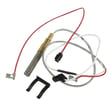
If you’re troubleshooting ignition or pilot problems while checking age, the water heater pilot assembly 100112330 is one of the common service parts for this model.
Last updated: January 2026
How do I read my water heater model number?
For your Kenmore gas water heater, the model number is printed on the rating plate (data sticker) on the tank; for this unit it should read 153331630. Use the model number and serial number from that plate when ordering parts or checking instructions in the 153331630 owner's manual.
Where to find the model number on the heater
Look for the rating plate on the outside of the tank, typically near the gas control valve/thermostat area.
- Check the tank’s rating plate first (it lists model and serial)
- Write down the model number exactly as shown (no spaces added)
- Record the serial number too; it helps identify production details
- Use the model number when searching for parts like a gas valve, thermocouple, or pilot assembly
- Keep a photo of the rating plate for future reference
What to focus on (and what to ignore)
The rating plate includes a lot of technical data. For most parts and support needs, the key items are the model and serial.
| Rating plate item | What it’s used for | Do you usually need it? |
|---|---|---|
| Model number (example: 153331630) | Correct parts list and manual match | Yes |
| Serial number | Production identification and service reference | Yes |
| Gas type | Confirms the correct fuel type for safe operation | Yes |
| BTU input and other specs | Sizing and technical reference | Not usually |
Why it matters
Kenmore model numbers can look similar across different tank sizes and configurations. Using the exact model number from the rating plate helps ensure you get the correct parts and follow the correct lighting, operation, and maintenance instructions.
Last updated: January 2026
What is the life expectancy of a Kenmore water heater?
Most Kenmore gas water heaters, including model 153331630, typically last 8 to 12 years with normal household use and basic maintenance. Regular tank flushing, correct temperature settings, and timely replacement of wear parts (like the anode rod) help you reach the upper end of that range.
What affects how long it lasts
- Water quality (hard water and sediment shorten tank life)
- Temperature setting (higher temps increase scale buildup and stress)
- Maintenance frequency (flushing and inspection)
- Anode rod condition (a worn anode accelerates tank corrosion)
- Venting and combustion air (poor draft or restricted intake can overheat components)
Maintenance that extends life (practical checklist)
Use the schedule and procedures in the 153331630 owner's manual.
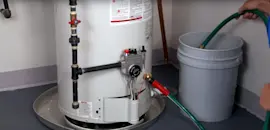
- Flush a few gallons from the drain valve periodically to reduce sediment
- Inspect the burner area and keep the air intake screen clear of lint and dust
- Test the temperature and pressure relief valve for proper operation
- Check for slow leaks at fittings and the drain valve
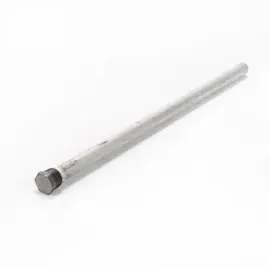
- Inspect and replace the anode rod when it is heavily depleted
| Maintenance item | Typical interval | Why it helps |
|---|---|---|
| Tank flushing (sediment) | 6 to 12 months | Reduces rumbling, improves efficiency, slows tank wear |
| Anode rod inspection | 2 to 3 years | Protects the tank from corrosion |
| T and P relief valve test | 6 to 12 months | Helps prevent unsafe pressure buildup |
Signs it is near end-of-life
- Rust-colored hot water or metallic odor
- Popping or rumbling that returns quickly after flushing
- Water around the base of the tank (not just at fittings)
- Frequent pilot outages or burner problems
If you are troubleshooting performance issues before replacing the heater, we use the Kenmore gas water heater error codes guide to match symptoms to likely causes.
Why it matters
A water heater that is past its typical service life is more likely to leak and less likely to heat efficiently. Planning replacement around the 8 to 12 year mark helps you avoid unexpected downtime and water damage.
Last updated: January 2026
What is the most common problem with a gas hot water heater?
The most common gas water heater problem is loss of heat because the pilot goes out or the safety shut-off stops gas flow, often tied to the pilot flame being extinguished. On Kenmore model 153331630, venting and combustion-air issues can also cause poor operation and symptoms that look like “no hot water.”
Most common causes we see (and what they look like)
- Pilot will not stay lit: burner never starts, or it runs briefly then shuts down.
- Weak or dirty combustion air path: slow hot water recovery and poor heating.
- Sediment in the tank: popping or rumbling noises, reduced efficiency.
- Condensation mistaken for a leak: water shows up early, then disappears after the tank warms.
- High water pressure or thermal expansion: occasional dripping from the temperature-pressure relief valve.
Quick checks you can do safely
Before any inspection, turn the gas control to OFF and let the unit cool.
- Confirm the tank is completely full before any relight attempt (hot water must flow at a faucet).
- Look for signs of venting trouble (moisture at the draft hood can indicate a vent problem).
- If you see water under the heater, allow 1 to 2 hours after startup; condensation can stop once the tank warms.
- If recovery is slow, check for blocked air intake or lint buildup around the base area.
- If the pilot will not stay lit, the ignition system components are the first place to focus.
Parts that commonly solve “pilot won’t stay lit”
| Symptom | Common part involved | Example part for model 153331630 |
|---|---|---|
| Pilot lights but goes out | Pilot/ignition components | Water heater pilot assembly 100112330 |
| Pilot drops out when knob is released | Flame-sensing safety | Water heater thermocouple 100112327 |
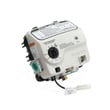
| Burner will not regulate temperature | Gas control/thermostat | American water heaters water heater gas valve and temperature control assembly 100112336 |
Why it matters
A gas water heater depends on correct venting and a stable pilot flame for safe, consistent heating. When the pilot is extinguished, the heater is designed to shut off gas automatically; that safety feature prevents heating until the underlying issue is corrected.
For model-specific lighting, shutdown, and troubleshooting steps, follow the 153331630 owner’s manual.
Last updated: January 2026