Error Codes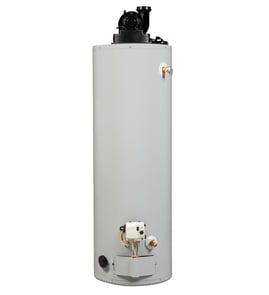




Why do plumbers not recommend tankless water heaters?
Plumbers often steer homeowners away from tankless water heaters because the install is usually more complex and expensive, performance can drop in hard-water conditions without regular descaling, and some homes see flow or temperature stability issues when multiple fixtures run at once. For many households, a tank-style unit like the State PR640XODS is a simpler, more predictable fit.
Common reasons plumbers push back on tankless
- Higher install cost and complexity: upsizing gas lines, adding dedicated venting, and sometimes electrical upgrades.
- Hard-water sensitivity: mineral scale can reduce heat transfer and trigger maintenance needs.
- Flow-rate limits: simultaneous showers, laundry, and dishwasher can exceed what one unit can deliver.
- “Cold-water sandwich” and delay: a brief burst of cool water or a longer wait at the tap can frustrate users.
- More maintenance expectations: periodic flushing/descaling is part of normal ownership.
Tankless vs. tank: quick comparison
| Topic | Tankless water heater | Tank-style water heater (like PR640XODS) |
|---|---|---|
| Upfront install | Often higher | Often lower |
| Hot water delivery | Continuous, but limited by flow rate | Stored volume, strong short-term demand |
| Maintenance | Descaling is routine in many areas | Flushing and periodic part replacement |
| Best fit | Smaller demand, consistent maintenance | Most homes, predictable usage patterns |
If you already have a tankless and it is acting up
These checks solve many “tankless is disappointing” complaints:
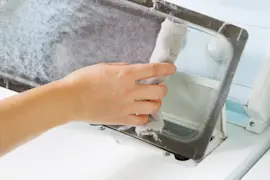
- Clean inlet screen and confirm adequate water pressure.
- Verify gas supply sizing and venting are correct.
- Set a realistic temperature setpoint and avoid frequent adjustments.
- Descale on schedule if you have hard water.
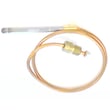
- If your current heater is a tank model and you are troubleshooting ignition or burner issues, common service parts include the water heater igniter 100109221 and water heater thermocouple 100108462.
Why it matters
Hot water problems are usually about matching the heater to your home’s demand and water quality. Tankless can be excellent in the right setup, but when the install, maintenance, or flow requirements are underestimated, homeowners end up with higher costs and less comfort.
Last updated: February 2026
What is the average cost to install a 40 gallon gas water heater?
Installing a 40-gallon gas water heater typically runs about $900 to $3,000+ total (heater plus labor). For a State PR640XODS replacement, the final price depends most on venting, gas-line work, code upgrades, and whether the job is a straight swap or a re-pipe.
Typical cost breakdown (what you are paying for)
- Water heater unit: often $400 to $1,000+ depending on efficiency and features
- Labor: commonly $500 to $2,000+ based on complexity and local rates
- Materials: vent pipe, gas fittings, shutoff valve, flex connectors, drip leg, pipe insulation
- Permits/inspection: varies by area; often required for gas water heater replacement
- Disposal/haul-away: may be included or added as a line item
What makes a gas install cost more (or less)
Gas water heater installs are usually pricier than electric because safe operation depends on combustion air, venting, and gas piping. Expect higher quotes when any of these apply:
| Situation | Why it increases cost | Common examples |
|---|---|---|
| Venting changes | More labor and parts | New vent type, chimney liner, re-routing |
| Gas line work | Requires leak testing and fittings | Upsizing pipe, moving shutoff |
| Code/safety upgrades | Brings system up to current standards | Expansion tank, seismic straps, drip pan |
| Tight access | Slows removal and install | Attic, crawlspace, small closet |
Quick checks to get a more accurate quote
- Confirm tank size (40-gallon) and fuel type (natural gas or LP)
- Note your current vent type (metal vent, chimney, power vent)
- Check if you already have a drain pan and where it drains
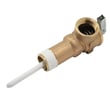
- Look for signs of aging parts that may be replaced during service (T&P valve, drain valve)
- If your heater is not heating reliably, check for diagnostic flashes first using State gas water heater error codes
Why it matters
A low quote can turn expensive if venting or gas piping needs changes after the old heater is removed. Pricing the job around venting, gas safety, and code-required accessories helps prevent surprises and keeps the installation safe.
Last updated: February 2026
How many years should a gas water heater last?
A tank-style gas water heater like the State PR640XODS typically lasts 10 to 12 years. With consistent maintenance (especially corrosion protection and sediment control), it commonly reaches the upper end of that range before performance and reliability drop.
Typical lifespan and what affects it
Most lifespan differences come down to water conditions and maintenance.
- Water quality: hard water speeds up sediment buildup and wear
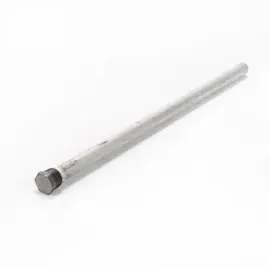
- Anode rod condition: a depleted anode rod lets the tank corrode faster
- Sediment level: causes rumbling, reduced efficiency, and overheating stress
- Venting and combustion: poor draft or dirty burner components reduce reliability
- Usage patterns: heavy daily demand increases cycling and wear
Quick “replace vs. repair” guide
| What you notice | What it usually means | What we recommend |
|---|---|---|
| Tank is leaking from the body | Tank corrosion | Replace the water heater |
| Rusty or metallic-smelling hot water | Anode rod depleted or tank corrosion starting | Inspect and consider replacing the anode rod |
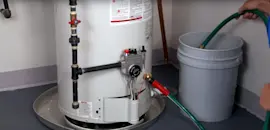
| Popping or rumbling noises | Sediment buildup | Flush tank; evaluate condition |
| Pilot won’t stay lit | Ignition or flame-sensing issue | Check pilot/thermocouple components |
Parts that most often extend service life
If your PR640XODS is still heating well and the tank is sound, these are common maintenance or repair items we see used to keep a gas water heater running longer:
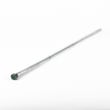
- Anode rod 100300397 (corrosion protection)
- Water heater thermocouple 100108462 (helps keep the pilot flame proven)
- Water heater pilot tube assembly 100108370 (pilot supply and connection integrity)
- Water heater igniter 100109221 (reliable lighting)
- Drain 100108269 (helps with flushing and sediment control)
Why it matters
Once a gas water heater gets past about 10 years, the risk of tank failure rises and efficiency often drops. Proactive maintenance (especially the anode rod) helps you avoid sudden loss of hot water and reduces the chance of water damage.
Last updated: February 2026
What is the most common problem with gas water heaters?
The most common gas water heater problem is ignition failure, meaning the pilot will not light or will not stay lit. On the State PR640XODS, this is most often tied to the flame-sensing and ignition parts (thermocouple, pilot tube assembly, or igniter) getting weak, dirty, or damaged.
Most common causes (and what to check first)
- Weak or failing thermocouple: If it does not sense a steady pilot flame, the gas valve shuts off.
- Dirty pilot or burner area: Dust, lint, or soot can prevent a strong pilot flame.
- Damaged pilot tubing or fittings: A kink or leak can reduce gas flow to the pilot.
- Igniter not sparking reliably: The pilot will not light consistently.
- Restricted burner tube: Poor combustion can cause nuisance shutdowns.
Parts that commonly fix “pilot will not stay lit” on PR640XODS
If your symptoms match, these are the first parts we look at for this model:
| Symptom | Most likely part to inspect | Example part on this model |
|---|---|---|
| Pilot lights, then goes out when you release the knob | Thermocouple | Water heater thermocouple 100108462 |
| Pilot will not light or flame is weak/unstable | Pilot tube assembly | Water heater pilot tube assembly 100108370 |
| No spark or inconsistent spark at lighting | Igniter | Water heater igniter 100109221 |
Why it matters
A gas water heater uses the pilot flame and safety sensing to control gas flow. When the pilot system is not stable, the heater shuts down to prevent unburned gas from accumulating, which also means you get little or no hot water.
Quick troubleshooting steps (safe, no disassembly)
- Confirm the gas shutoff valve is fully open.
- Make sure the area around the burner is clean and has proper airflow.
- Watch the pilot flame: it should be steady and strong, not lazy or flickering.
- If the pilot drops out repeatedly, prioritize inspecting the thermocouple, pilot tube assembly, and igniter listed above.
Last updated: February 2026
Why are gas water heaters being phased out?
Gas water heaters are being phased out in some areas because regulators and utilities are targeting lower nitrogen oxides (NOx) and greenhouse-gas emissions from buildings. The exact timing and rules depend on your city, county, and State, so requirements vary widely.
What is driving the phase-outs
Most policies focus on reducing air pollution and climate impacts from burning natural gas in homes and businesses.
- Cutting smog-forming NOx emissions from gas burners
- Reducing carbon emissions from building energy use
- Meeting local air-quality targets in high-smog regions
- Encouraging electrification (heat pump water heaters) in new construction
- Setting tighter standards for new equipment sold or installed
What this means for your State PR640XODS
In many places, existing gas water heaters like the State PR640XODS can still be repaired and maintained; the biggest changes usually affect new installations or replacement rules when a unit fails.
| Situation | What typically happens | What you can do now |
|---|---|---|
| Your heater is working | No immediate change | Maintain it and plan ahead |
| Your heater needs a repair | Repairs are commonly allowed | Replace wear parts and restore safe operation |
| Full replacement needed | Rules may steer you to electric options | Check local code and venting requirements |
Parts that commonly support safe, reliable operation
If your PR640XODS is having ignition or pilot issues, these parts are often involved:
- Water heater pilot tube assembly 100108370 (pilot gas delivery and pilot connection)
- Water heater thermocouple 100108462 (proves pilot flame to keep gas valve open)
- Water heater igniter 100109221 (spark or ignition component, depending on design)
- Water heater burner tube 100108784 (main burner gas/air path)
For maintenance that helps extend tank life, an anode rod is a common service item:
Why it matters
If your area tightens rules on gas appliances, keeping your current gas water heater running safely can buy time while you compare replacement options. Regular maintenance and timely part replacement also helps prevent no-hot-water problems and nuisance shutdowns.
For troubleshooting steps tied to control diagnostics, use State gas water heater error codes.
Last updated: February 2026