
What is the most common part to fail on a furnace?
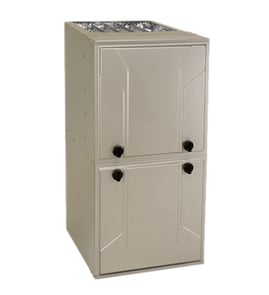
On a Thermal Zone gas furnace like model GU100M16B, the most common “failure point” is usually a maintenance-related item (especially a dirty air filter) or a safety/ignition component such as the flame sensor or igniter. Electrical start components can also fail, including the blower motor run capacitor 12908.
Most common furnace failures (what we see most often)
- Air filter clogged: restricts airflow and can overheat the furnace and trip safety limits
- Flame sensor dirty: burner lights briefly, then shuts off
- Hot surface igniter weak or cracked: no ignition
- Thermostat or low-voltage wiring issue: furnace never gets a call for heat
- Limit switch tripping: short cycling or shutdown from overheating
- Blower motor run capacitor weak: blower hums, starts slowly, or does not start
Quick symptom-to-part checklist
| What the furnace does | Most likely culprit | What to check first |
|---|---|---|
| Starts, then shuts off in 2 to 10 seconds | Flame sensor | Clean sensor, confirm strong flame |
| Inducer runs but burners never light | Igniter or gas/pressure proving | Look for igniter glow, check venting/pressure switch tubing |
| Blower hums or runs hot, poor airflow | Capacitor or blower motor | Test capacitor, inspect blower wheel and filter |
| Runs a short time, then shuts off and restarts | Airflow/limit switch | Replace filter, open registers, check return air |
Why the capacitor is a common electrical failure
A run capacitor helps the blower motor start and run efficiently. When it weakens, the motor can struggle to start, overheat, or shut down on Thermal protection. If your GU100M16B has blower-start symptoms, matching the correct rating and wiring style is critical when replacing the capacitor 12908.
Why it matters
Many “bad furnace” calls are actually airflow or ignition-safety shutdowns. Fixing the root cause (filter, sensor cleaning, wiring repair, or a failing capacitor) restores reliable heat and helps prevent repeated limit trips and premature blower wear.
Last updated: February 2026
What is the most expensive part to fix on a furnace?
The most expensive furnace repair is typically the heat exchanger because it is labor-intensive and often drives the total repair into the $1,000 to $3,000+ range. On a Thermal Zone gas furnace like model GU100M16B, other high-cost repairs commonly include the blower motor, control board, and draft inducer.
Most expensive furnace repairs (typical)
These are the repairs that most often create the highest total bill (parts plus labor):
- Heat exchanger replacement (usually the costliest)
- Blower motor replacement (especially variable-speed motors)
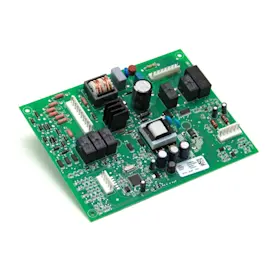
- Control board replacement (diagnosis time plus electronics)
- Draft inducer motor replacement (venting and pressure-switch related checks)
- Gas valve replacement (setup and combustion checks)
Quick cost comparison (typical ranges)
Actual pricing varies by region and furnace design, but these ranges help set expectations.
| Repair item | Why it gets expensive | Typical total cost range |
|---|---|---|
| Heat exchanger | High labor, major disassembly | $1,000 to $3,000+ |
| Blower motor | Motor cost plus setup time | $600 to $1,500+ |
| Control board | Parts plus troubleshooting | $400 to $1,200+ |
| Draft inducer | Venting and safety checks | $500 to $1,300+ |
How to tell which “big ticket” part is likely involved
Before replacing anything, we recommend confirming symptoms with basic checks:
- Furnace runs but no heat: ignition, flame sensing, gas valve, control board
- Furnace heats briefly then shuts off: flame sensor, limit switch, airflow issues, control board
- Loud humming, hard starts, or motor struggles: blower motor or a weak run capacitor
- Draft inducer runs inconsistently: inducer motor, pressure switch, venting restrictions
- Blower won’t start but you hear a click: capacitor, motor, or control board
If your blower motor is slow to start or just hums, the capacitor 12908 is one of the first electrical parts we check because a weak capacitor can mimic a failing motor.
Why it matters
High-cost repairs usually involve core safety or airflow components. Getting the diagnosis right prevents repeat service calls and helps you decide whether a repair makes sense versus investing in a newer, more efficient furnace.
Last updated: February 2026
How much does a 90% efficient furnace cost?
A 90% efficient gas furnace (often labeled 90%+ AFUE) typically costs about $2,500 to $7,500 installed in most homes. Your final price depends on furnace size (BTUs), venting changes, labor rates, and whether you are replacing a similar unit like the Thermal Zone GU100M16B.
What drives the price the most
- Furnace capacity (BTU output): larger homes need larger furnaces, which cost more.
- Installation complexity: moving the furnace, modifying ductwork, or tight access raises labor time.
- Venting and condensate work: 90%+ furnaces usually need PVC venting and a condensate drain.
- Electrical and controls: adding a new thermostat, rewiring, or correcting low-voltage issues adds cost.
- Permits and code updates: common add-ons during replacement.
Typical cost ranges (what you can expect)
| Scenario | Typical installed cost | Notes |
|---|---|---|
| Straight swap (similar efficiency and venting already in place) | $2,500 to $4,500 | Least labor and materials |
| Moderate changes (venting, drain, minor ductwork) | $4,500 to $6,500 | Most common replacement range |
| Major changes (relocation, significant ductwork, electrical upgrades) | $6,500 to $7,500+ | Highest labor and materials |
Why it matters for your GU100M16B
A 90%+ furnace is a condensing design; if your current setup is non-condensing, the installer usually has to add or modify venting and a condensate drain. Those changes are often the difference between a lower-cost “swap” and a higher-cost “upgrade.”
Parts note (helps avoid misdiagnosis)
If you are pricing a replacement because the furnace will not start or the blower will not run, it is worth checking common electrical components first. A failed run capacitor can prevent a motor from starting.
- If your model uses it, consider the capacitor 12908 as a common service part.
- Use safe electrical testing practices; a capacitor can hold a charge even with power off.
Last updated: February 2026
Is a 92% efficient furnace good?
Yes. A 92% AFUE furnace is considered high-efficiency; it turns about 92% of the fuel it burns into usable heat, with roughly 8% lost through exhaust. For a Thermal Zone gas furnace like model GU100M16B, 92% is a strong efficiency level for lower heating costs.
What “92% efficient” means (AFUE)
AFUE (Annual Fuel Utilization Efficiency) is the seasonal efficiency rating used for gas furnaces.
- 92% AFUE: about 92 cents of every fuel dollar becomes heat in your home
- 8% loss: typically goes out the vent as combustion byproducts
- High-efficiency furnaces are commonly 90% AFUE and higher
When 92% AFUE is a smart choice
A 92% furnace is a good fit in most homes, especially where heating runs often.
| AFUE range | Typical category | What to expect |
|---|---|---|
| 80% to 89% | Standard efficiency | Lower upfront cost, higher fuel use |
| 90% to 98% | High efficiency | Lower fuel use, usually PVC venting |
Why it matters for comfort and operating cost
Efficiency is only part of “good.” Proper sizing, airflow, and reliable ignition and blower operation determine whether your furnace heats evenly and runs efficiently.
- Correct thermostat setup and run time
- Clean filter and open supply/return vents
- Stable blower performance (motor and capacitor health)
- Clean, secure wiring connections
Parts that can affect heating performance
If your furnace struggles to start the blower, hums, or the motor overheats, the run capacitor is a common item to check and replace.
- Consider the capacitor 12908 if symptoms point to a weak run capacitor
- Match the replacement to the original capacitor’s ratings printed on the part
For safe electrical testing, we use a meter and follow standard procedures in how to use a multimeter to test electrical parts video.
Last updated: February 2026
What is the cost to replace a furnace part?
For a Thermal Zone gas furnace model GU100M16B, the cost to replace a furnace part depends on which component failed and whether you’re paying for labor; the part itself can range from under $100 for some electrical components to several hundred dollars for major assemblies.
Typical cost ranges (parts vs. labor)
These ranges help you budget before you diagnose the exact failure.
- Small electrical parts (capacitor, switches, fuses): often $20 to $150
- Ignition and flame-sensing parts (igniter, flame sensor): often $30 to $250
- Motors (inducer or blower motor): often $150 to $600+
- Control boards: often $150 to $500+
- Professional labor (service call + repair time): commonly $150 to $500+ depending on access and troubleshooting time
| What you’re paying for | What it covers | What changes the price most |
|---|---|---|
| Part cost | The replacement component | Part type, OEM availability, model fit |
| Labor cost | Diagnosis and installation | Time to diagnose, wiring complexity, venting access |
| Total repair | Part + labor | Whether multiple parts were damaged |
Example for this model: capacitor replacement
If your GU100M16B has a weak or failed run capacitor, you may only need that single part.
- Part example: Capacitor 12908
- What you might notice: blower struggles to start, humming, intermittent airflow
- What to match: microfarad (uF) rating and voltage rating printed on the old capacitor
How to keep the repair cost from climbing
A furnace repair gets expensive when the wrong part is replaced first. We recommend these steps:
- Turn off power at the furnace switch and breaker before inspecting anything
- Confirm the symptom (no heat, no blower, short cycling, error light pattern)
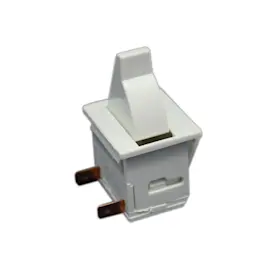
- Check the simplest items first (filter, door switch, loose wiring)
- Test electrical parts with a meter when appropriate
- Replace only the failed component, then recheck operation
Helpful DIY skill for accurate diagnosis
If you’re comfortable using a meter, our guide on how to use a multimeter to test electrical parts video helps you confirm whether a component is actually bad before you buy it.
Why it matters
Accurate diagnosis is the difference between a low-cost fix (like a capacitor) and paying for repeat service calls. On a gas furnace, correct part matching also helps protect the blower motor and control board from damage.
Last updated: February 2026