Owner’s manual
 Error Codes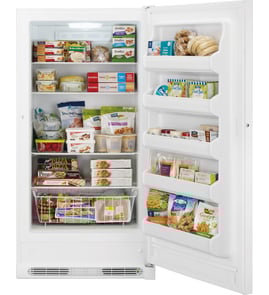



What is the life expectancy of a Frigidaire upright freezer?
A Frigidaire upright freezer like model FFFH20F3WW0 typically lasts 12 to 16 years with normal household use. With steady temperatures, good airflow around the cabinet, and routine cleaning and defrost care, many upright freezers reach 15 to 20 years.
Typical lifespan range (what to expect)
Most freestanding upright freezers fall into these ranges:
| Usage and care level | Typical life expectancy |
|---|---|
| Heavy use, warm garage, poor airflow | 8 to 12 years |
| Normal home use, basic maintenance | 12 to 16 years |
| Cool location, good airflow, consistent care | 15 to 20 years |
What extends the life of your FFFH20F3WW0
We see these habits make the biggest difference over time:
- Keep the freezer in a well-ventilated spot so heat can escape
- Keep the door closed as much as possible; limit long “door open” loading sessions
- Clean the interior periodically and keep spills from freezing into thick ice
- If your model is manual-defrost, defrost and clean when frost reaches about 1/4" to 1/2"
- Avoid scraping ice with metal tools; use a plastic scraper to prevent liner damage
- Unplug the freezer before manual defrosting to prevent electrical hazards
For model-specific care and cleaning steps (including defrost guidance), follow the owner's manual.
Signs your freezer is nearing end-of-life
A single symptom does not always mean the freezer is “done”, but these patterns usually signal major wear:
- Runs almost constantly and still struggles to hold safe freezing temperatures
- Loud or inconsistent fan noise (evaporator or condenser airflow problems)
- Heavy frost buildup that returns quickly after defrosting
- Warm spots, thawing food, or frequent temperature swings
- Repeated electrical or control issues
If you’re seeing control-related symptoms, the Frigidaire deluxe electronic control module freezer error codes guide helps you interpret what the display is reporting.
Why it matters
A freezer that cannot maintain stable temperatures wastes energy and risks food quality. Catching airflow, frost, and door-seal issues early often prevents compressor strain and extends the service life.
Last updated: February 2026
How do I reset my Frigidaire upright freezer?
To reset your Frigidaire FFFH20F3WW0 upright freezer, do a power reset by unplugging it, waiting about 1 minute, then plugging it back in. If you are trying to clear a High Temp or Power Failure alarm, reset the alert by holding the Temp button for 3 seconds (per the owner's manual).
Quick reset options (what you are actually resetting)
- Control power reset: Unplug for about 1 minute, then restore power.
- High Temp alert reset: Press and hold Temp for 3 seconds.
- Power Failure alert reset: After power is restored, press and hold Temp for 3 seconds.
- Freeze Boost exit (not a reset): Press and hold Freezer Boost for 3 seconds; it returns to the previous temperature setting.
Step-by-step: power reset (recommended first)
- Move the temperature setting to your normal setting (if it was changed).
- Unplug the freezer from the outlet.
- Wait 1 minute.
- Plug the freezer back in.
- Give it time to stabilize; cooling performance typically improves over the next several hours.
If the alarm keeps coming back
If the High Temp light or alarm returns after you reset it, focus on the most common causes:
- Door not fully closing or items blocking the door
- Warm food load added all at once (use Freeze Boost before loading)
- Heavy frost restricting airflow (manual defrost if needed)
- Evaporator fan not running (air not circulating)
- Defrost system issue causing ice buildup
Common symptoms and what they point to
| What you notice | What it usually means | What to check next |
|---|---|---|
| High Temp alarm after a power outage | Cabinet warmed up | Reset alert; keep door closed |
| Frost building up fast | Defrost or door-seal issue | Inspect gasket, check for ice on back wall |
| Freezer warm but running | Airflow problem | Listen for evaporator fan |
Why it matters
A “reset” can clear an alarm or reboot the control, but it does not fix airflow, frost buildup, or a failing component. If temperatures stay above 0°F, food quality and safety drop quickly.
Helpful DIY reference: Frigidaire deluxe electronic control module freezer error codes
Last updated: February 2026
What is the disadvantage of an upright freezer?
An upright freezer like the Frigidaire FFFH20F3WW0 is easier to organize, but its main disadvantage is efficiency: when you open the door, cold air spills out quickly, so it typically uses more energy and can be more prone to frost buildup than a chest freezer. See the owner's manual for model-specific care and defrost guidance.
Common disadvantages (upright vs. chest)
- Higher energy use: more cold-air loss each time the door opens.
- Less usable space for bulky items: shelves and bins can limit large roasts or turkeys.
- More frost management: many uprights need periodic cleaning; some models require manual defrost when frost reaches about 1/4 to 1/2 inch.
- More parts that can affect performance: door sealing, fans, and defrost components have a bigger impact on temperature stability.
What to do if your upright freezer is frosting up or warming
If your FFFH20F3WW0 is building frost fast or struggling to hold temperature, these checks usually help:
- Confirm the door closes fully and nothing is blocking it.
- Inspect the door gasket for gaps, tears, or hardened sections.
- Limit long door openings and avoid frequent browsing.
- Keep airflow paths clear; do not pack items tightly against vents.
- If frost is heavy, defrost safely (unplug first) and restart after the cabinet is upright for about an hour.
Parts that commonly relate to frost or temperature issues
| Symptom | Common area | Example part for this model |
|---|---|---|
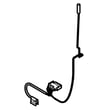
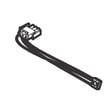
| Heavy frost on back wall | Defrost system | Freezer defrost bi-metal thermostat and wire harness assembly 5304523788 |
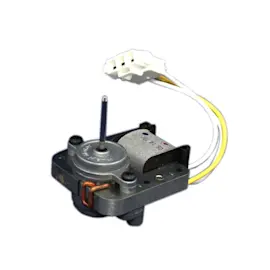
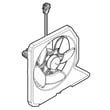
| Warm temps, poor circulation | Evaporator airflow | Refrigerator evaporator fan motor and blade 5304523741 |
| Door not pulling shut | Door closing hardware | Hook,door closer ,white 5304519789 |
Why it matters
Upright freezers trade maximum efficiency and open-bin storage for easy access and organization. Managing door openings, keeping seals tight, and following the recommended defrost and cleaning routine helps prevent freezer burn, temperature swings, and excess frost.
Last updated: February 2026
What are common Frigidaire problems?
Common problems we see on Frigidaire freezers like model FFFH20F3WW0 include warm temperatures, heavy frost buildup, the unit running almost constantly, door-ajar or high-temp alarms, and interior light issues. Many of these start with airflow restrictions, a door not sealing, or a defrost-system problem.
Most common symptoms (and what they usually point to)
- Not cold enough or high-temp alarm: door left ajar, blocked vents, weak airflow, or a defrost issue
- Frost or ice buildup: door seal leak, frequent door openings, or failed defrost components
- Runs a lot: normal for variable-speed compressors, but also caused by warm room temps or poor door seal
- Door-ajar alarm: door not closing fully, bins/shelves interfering, or door closer/hinge wear
- Light not working: incorrect bulb type, loose connection, or failed socket
Quick checks we recommend first
Use these steps before replacing parts:
- Confirm the power-on light is on and the freezer is plugged in.
- Make sure the door closes fully and nothing is holding it open.
- Set the temperature control colder and give it time to stabilize.
- If the high-temp alert is sounding, reset it by opening and closing the door; the light can keep flashing until the cabinet is below about 23°F.
- If the cabinet light is out, use only a 5-watt or less AC LED bulb (per the owner's manual).
Parts that commonly solve these problems on FFFH20F3WW0
If basic checks do not fix the issue, these model-matched parts are common culprits:
| Symptom | Likely system | Example part on this model |
|---|---|---|
| Frost buildup, warm temps | Defrost system | Freezer defrost bi-metal thermostat and wire harness assembly 5304523788 |
| Frost buildup, poor cooling | Defrost system | Freezer defrost heater 5304524953 |
| Warm temps, weak airflow | Evaporator fan | Refrigerator evaporator fan motor and blade 5304523741 |
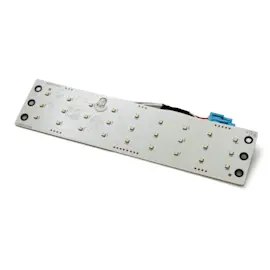
| Light out | Lighting | Refrigerator light bulb 5304522314 or socket,led light 5304522315 |
Why it matters
Catching a door-seal or defrost problem early prevents heavy frost from blocking airflow across the evaporator coil. That keeps temperatures stable, reduces run time, and helps protect stored food quality.
Last updated: February 2026