
Can I use .095 trimmer line in a .080 trimmer?
Yes, you can usually run .095-inch trimmer line in a trimmer set up for .080-inch line, but on a Craftsman line trimmer like model 257797900 it increases load on the motor and can cause poor feed, more vibration, and more frequent overheating trips. For best performance, we recommend matching the line size to the trimmer head rating.
What changes when you go from .080 to .095
Thicker line is heavier and creates more drag. That affects cutting and how the head feeds line.
- More cutting power on thick weeds and edging
- More resistance; the motor works harder
- Slower spool acceleration; can feel “bogged down”
- Bump-feed issues (line may not advance smoothly)
- Higher heat in the head and motor area
Quick compatibility check (before you spool it)
Use this checklist to decide if .095 is worth trying.
- Confirm the trimmer head is rated for .095 (many are not)
- Make sure the eyelets in the head are large enough for .095
- Wind only a short test amount first (do not fill the spool)
- Run at full speed before cutting; avoid “half-throttle” cutting
- Stop if you smell hot plastic, hear squealing, or the head stops feeding
.080 vs .095 at a glance
| Line size | Best for | Typical tradeoff |
|---|---|---|
| .080 in | Regular trimming, lighter grass | Less durability in heavy weeds |
| .095 in | Thick weeds, tougher edging | More drag; can reduce feed reliability |
Why it matters
Using the wrong diameter can make a good trimmer feel underpowered and can wear the trimmer head faster (spool, eyelets, and cap). Matching the specified line size keeps cutting consistent and helps prevent nuisance shutdowns.
For more line and feed troubleshooting, use our solving common problems with line trimmer cutting lines guide.
Last updated: February 2026
How to remove string trimmer head craftsman?
On the Craftsman 257797900 electric line trimmer, we remove the trimmer head by first unplugging the unit, then taking the head apart in the order it’s designed (cap, spool, and head housing). If your head is threaded onto the shaft, loosen it in the direction that releases it after you lock the shaft.
Safe, reliable removal steps (works for most electric trimmers)
- Unplug the trimmer and wait for the head to stop completely.
- Lay the trimmer on its side with the guard facing up.
- Press the two release tabs on the spool cap (if equipped) and lift the cap off.
- Pull the spool straight out; note how the spring and spool sit so you can reinstall correctly.
- If the entire head must come off, look for a shaft-lock feature (a hole or slot near the head) and insert a small screwdriver or pin to keep the shaft from turning.
- With the shaft locked, turn the head in the loosening direction; if it tightens, reverse direction and loosen the other way.
Direction check (use this quick test)
| What you try | What it means | What to do next |
|---|---|---|
| Head turns and backs off | You found the loosening direction | Keep turning until it unthreads |
| Head turns but gets tighter | Threads are opposite of what you tried | Reverse direction |
| Head will not budge | Debris or cross-threading is binding it | Clean, lock shaft again, retry |
If the head is stuck
- Cut away wrapped line, grass, or melted plastic around the hub.
- Use gloves for grip and apply steady, even torque (avoid prying on the debris shield).
- If the head still won’t move, remove the spool and cap first so you can see the hub and locking points clearly.
Why it matters
Removing the head without forcing it prevents stripped shaft threads, broken tabs on the spool cap, and damage to the debris shield; it also makes restringing and spool replacement much easier.
For more DIY help on common trimmer repairs and head service, use our line trimmer repair guides landing page.
Last updated: February 2026
What's the difference between a whipper, snipper, and a line trimmer?
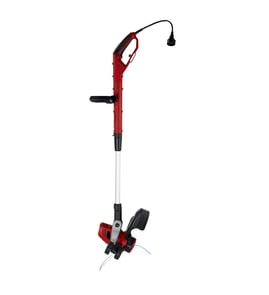
A whipper snipper and a line trimmer are the same tool; the name changes by region. Both use a spinning nylon cutting line to trim grass and weeds along edges and tight spots. For your Craftsman 257797900 line trimmer, the function is standard edging and light weed trimming.
Quick definitions (what people mean)
- Line trimmer: Generic name for a string trimmer that cuts with nylon line.
- Whipper snipper: Common nickname for a line trimmer (often used in Australia and New Zealand).
- String trimmer / weed eater: Other common names for the same tool.
- Brush cutter (not the same): Heavier-duty tool, often with a metal blade, used for thicker weeds and brush.
How to tell if you need a line trimmer or a brush cutter
| Task | Best tool | Why |
|---|---|---|
| Lawn edging, trimming around fences and trees | Line trimmer | Nylon line is safer around obstacles and finishes cleanly |
| Tall weeds and dense growth | Line trimmer (heavy line) or brush cutter | Dense growth can overload light-duty trimmers |
| Woody stems, brush, saplings | Brush cutter | Blade power and torque handle thicker material |
Why it matters
Using the right tool and cutting line reduces motor strain, improves cut quality, and helps prevent common issues like line breakage, poor feed, and overheating.
Practical tips for better trimming results
- Match line diameter to what your trimmer head supports; thicker line cuts tougher weeds but can reduce RPM.
- Keep the cutting line at the correct length; an overlong line makes the motor work harder.
- Use a steady sweep and avoid “digging” the head into the ground.
- If the line keeps snapping or won’t feed, follow guidance in solving common problems with line trimmer cutting lines.
Last updated: February 2026
Which is better, .080 or .095 trimmer line?
For the Craftsman 257797900 electric line trimmer, .080-inch line is the better default choice because most electric trimmers are designed to spin lighter line efficiently. Use .095-inch only if your trimmer head explicitly supports it and you need extra durability for thicker weeds.
Quick comparison: .080 vs .095 line
| Line size | Best for | Pros | Tradeoffs |
|---|---|---|---|
| .080 in | Routine trimming and edging | Easier on the motor, smoother feed, less vibration | Wears faster in heavy brush |
| .095 in | Heavy weeds and tougher trimming | More durable, cuts thicker growth better | Can bog down an electric trimmer, more drag, more breakage if the head is not rated |
How to choose the right line for your trimmer head
We recommend matching line size to what the spool and cutting head are built to feed. Use these checks:
- Look for a line-size marking on the spool, bump head, or guard label.
- If the head is dual-line, confirm it is rated for the thicker diameter before switching.
- If you notice slower spin-up, frequent stalling, or excess vibration after switching, go back to .080.
- For dense weeds, consider a shaped .080 line (twist or serrated) before jumping to .095.
- Keep line length correct; overfeeding increases drag and reduces cutting power.
Why it matters (performance and motor life)
Line diameter changes cutting load. On an electric trimmer like the Craftsman 257797900, thicker line increases drag, which reduces RPM and can make the motor run hotter. Using the correct diameter helps maintain cutting speed, improves line feed, and reduces wear on the trimmer head.
If you are having line-feed or cutting issues
These common symptoms usually point to setup issues rather than needing thicker line:
- Line will not advance: spool wound backward, line fused from heat, or wrong diameter
- Line breaks constantly: too thick for the head, hitting hard edges, or line is brittle
- Poor cutting: line too short, guard line-cutter missing/dull, or RPM dropping
For step-by-step help, use our DIY guide: solving common problems with line trimmer cutting lines.
Last updated: February 2026