Error Codes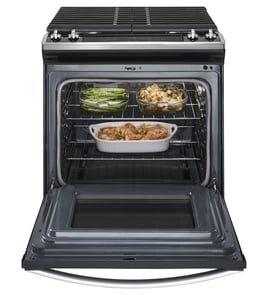




What do the numbers on a gas oven mean?
On a GE gas range like model CGS750P4M3W2, the “numbers” can mean two different things: a thermostat temperature setting in degrees (common in the U.S.) or a Gas Mark scale (common on some ovens). Gas Mark numbers map to approximate oven temperatures.
If your oven uses Gas Mark, the number is an approximate temperature reference. A common conversion is:
| Gas Mark | Approx. °F | Approx. °C |
|---|---|---|
| 1 | 275°F | 135°C |
| 2 | 300°F | 150°C |
| 3 | 325°F | 165°C |
| 4 | 350°F | 180°C |
| 5 | 375°F | 190°C |
| 6 | 400°F | 200°C |
| 7 | 425°F | 220°C |
| 8 | 450°F | 230°C |
| 9 | 475°F | 245°C |
Many gas ovens use a simple “low to high” thermostat dial where the numbers are relative heat levels, not exact temperatures. In that case, we recommend:
- Preheat fully (most ovens need 10 to 20 minutes).
- Use an oven thermometer to learn what each number equals in your kitchen.
- Avoid opening the door during preheat; it drops temperature fast.
- If baking runs consistently hot or cool, test the oven temperature sensor.
A common cause of inaccurate baking temperatures is a failing sensor. For this model, the Range oven temperature sensor WB24X25557 is a key part to check.
Recipes assume a specific oven temperature. If the dial numbers do not match real heat output, you can get underbaked centers, overbrowned tops, or long cook times. Calibrating your expectations (or replacing a weak sensor) helps your bake and broil results stay consistent.
Last updated: February 2026
Can you get a gas range with an electric oven?
Yes. That setup is called a dual fuel range: a gas cooktop (gas surface burners) paired with an electric oven for more even baking and broiling. Your GE CGS750P4M3W2 is listed as a gas range; dual fuel is a different configuration.
- Gas on top: fast heat changes and strong simmer control.
- Electric in the oven: typically steadier temperatures and more even heat.
- Different power needs: dual fuel ranges usually require a dedicated electrical connection for the oven.
- Different parts and wiring: oven heating components and controls differ from a full gas oven.
Even without a manual here, you can confirm the configuration by checking these common identifiers:
- Oven ignition style: gas ovens use an igniter and gas valve; electric ovens use heating elements.
- Electrical cord: many gas ranges use a standard 120V plug; dual fuel often uses a heavier 240V-style connection.
- Parts list clues: gas-oven models commonly use a bake igniter.
If your oven is not heating and you have a gas oven, a common repair path is checking the igniter and related controls, such as the range bake igniter WB28X28781.
| Feature | Gas range (gas oven) | Dual fuel range (electric oven) |
|---|---|---|
| Oven heat source | Gas burner + igniter | Electric bake/broil elements |
| Common “no heat” cause | Weak igniter, gas valve issue | Failed element, relay/control issue |
| Typical feel | Moist heat, fast preheat | Even heat, consistent baking |
Parts and troubleshooting steps depend on whether the oven is gas or electric. For example, a gas oven that will not bake often points to the igniter circuit, while an electric oven issue often points to an element or control relay.
Last updated: February 2026
What material is CGS750P4M3W2 made of?
The GE CGS750P4M3W2 gas range is built with a mix of materials; the exterior finish is typically stainless steel on stainless-finish versions, while internal components (cooktop, oven cavity, burners, and grates) use porcelain-coated steel, cast iron, and other heat-resistant metals.
Most slide-in gas ranges like the GE CGS750P4M3W2 use these common materials in key areas:
- Oven cavity: porcelain-coated steel (easy to wipe, handles high heat)
- Cooktop surface: metal with a durable coating (varies by finish)
- Grates: cast iron (heavy, holds heat well)
- Burner caps and bases: metal alloys designed for flame and heat exposure
- Control panel and door glass: glass with electronic touch components on some versions
If you are trying to match appearance (finish) or replace a damaged piece, these parts can help confirm what is used on the cooktop and control area:
| Area | Example part on this model page | What it suggests |
|---|---|---|
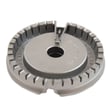
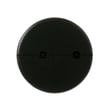
| Cooktop burner top | Range surface burner cap WB28K10222 | Metal cap designed for direct flame exposure |
| Burner mounting/base | Cooktop burner base WB16X28656 | Heat-resistant metal base under the cap |
| Control interface | Glass & touch board WB27X45670 | Glass front with integrated touch controls |
Material affects cleaning, durability, and how parts fit. For example, cast iron grates need different care than stainless steel, and burner caps must match the burner base for proper flame pattern and safe ignition.
- Check the model tag to confirm the full model number is CGS750P4M3W2
- Compare your cooktop pieces to the shapes shown for the burner parts
- If you are replacing a cosmetic panel or handle, match the color name and finish exactly
- Use non-abrasive cleaners on stainless and glass surfaces
Last updated: February 2026
Why are gas stoves being discontinued?
Gas stoves are not being “discontinued” across the board; instead, some areas and builders are shifting away from gas in new construction due to indoor air quality concerns (like nitrogen dioxide from combustion) and climate goals. Your GE CGS750P4M3W2 gas range can still be repaired and maintained with the correct replacement parts.
Most changes are policy and market driven, not a sudden end to gas ranges.
- Some cities and states restrict natural gas hookups in new buildings.
- Many homeowners are choosing induction or electric for efficiency and easier ventilation planning.
- Existing homes typically keep using gas appliances; the bigger focus is on safer operation and ventilation.
- Manufacturers may reduce certain gas models if demand shifts, but gas ranges remain widely supported.
If you keep your CGS750P4M3W2, these steps make the biggest difference.
- Run the range hood on high while cooking and for 10 to 20 minutes after.
- Use back burners when possible (they vent more effectively).
- Keep burner flames steady and blue; clean burner ports and caps.
- Avoid using the oven or burners to heat the kitchen.
- If ignition is slow or flames are uneven, address it promptly to prevent incomplete combustion.
Poor ignition and unstable flames can increase soot, odors, and performance issues. These model-matched parts are common fixes:
| Symptom | Likely area | Example part for CGS750P4M3W2 |
|---|---|---|
| Oven won’t heat or heats slowly | Oven ignition | Range bake igniter WB28X28781 |
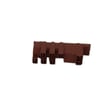
| Clicking or weak spark at burners | Ignition system | Range spark module WB13X24741 |
| Burner flame is uneven | Burner hardware | Range surface burner cap WB28K10222 |
A properly burning gas flame plus good ventilation helps limit cooking byproducts in the home and keeps baking and burner performance consistent. Keeping ignition and burner parts in good shape also helps prevent nuisance shutdowns and uneven heating.
Last updated: February 2026