 Owner’s manual
 Error Codes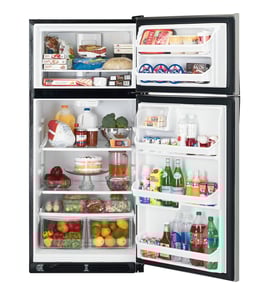



What are the main 5 parts of a refrigerator?
The main five parts that make a refrigerator like the Winia WTE21GSBMD00 run are the compressor, condenser coil, evaporator coil, metering device (capillary tube/expansion device), and thermostat (temperature control). Together, they move heat out of the cabinet to keep food cold.
The “core 5” and what each one does
- Compressor: pumps refrigerant through the sealed system; it is the “engine” of cooling.
- Condenser coil: releases heat to the room as refrigerant condenses back to a liquid.
- Evaporator coil: absorbs heat inside the freezer/refrigerator as refrigerant evaporates.
- Metering device (capillary tube/expansion device): drops pressure so refrigerant can get cold before the evaporator.
- Thermostat/temperature control: senses temperature and cycles cooling on and off.
For model-specific component locations and access panels, use the WTE21GSBMD00 owner's manual.
Other important parts you will hear about (not always in the “top 5”)
Many cooling complaints are caused by supporting components rather than the sealed-system parts above:
| Part | What it affects | Common symptom when it fails |
|---|---|---|
| Evaporator fan motor | Airflow across the evaporator | Freezer cold but fridge warm, noisy fan |
| Defrost system (heater, thermostat, timer/control) | Frost control on the evaporator | Frost buildup, weak airflow |
| Door gasket | Prevents warm air leaks | Moisture, frost, long run times |
| Condenser fan (if equipped) | Heat removal at condenser | Hot cabinet sides, poor cooling |
Quick checks that help narrow the problem
- Confirm the temperature settings are correct and vents are not blocked.
- Listen for the evaporator fan running when the door switch is pressed.
- Look for heavy frost on the freezer back wall (defrost issue).
- Inspect the door gasket for gaps, tears, or debris.
- Clean dust from the condenser area to improve heat transfer.
Why it matters
Knowing the “core 5” helps you separate sealed-system cooling issues (compressor/coils/metering device) from airflow, defrost, and sealing issues, which are more common and usually more repairable.
Related DIY help: how to fix your evaporator cooling fan.
Last updated: February 2026
What are the most commonly replaced parts in a refrigerator?
For a Winia WTE21GSBMD00 top-mount refrigerator, the most commonly replaced parts are the ones that affect sealing, airflow, defrosting, and water supply: door gaskets, evaporator and condenser fans, thermistors, defrost components, and water inlet valves. Use the owner's manual to match symptoms to the right system.
Most common refrigerator parts people replace
These parts fail from normal wear, temperature swings, and everyday use (or they get damaged during cleaning and loading).
- Door gasket (door seal): prevents warm air leaks that cause frost and long run times
- Evaporator fan motor: moves cold air through the freezer and into the fresh food section
- Condenser fan motor (if equipped): cools the condenser and compressor area
- Thermistor or temperature sensor: tells the control how cold it is so it can cycle correctly
- Defrost heater and defrost thermostat (or defrost sensor): prevents the evaporator from icing over
- Water inlet valve (if you have an ice maker or water dispenser): controls water flow into the refrigerator
- Shelves, bins, and door rails: crack or break from impact or heavy loads
Quick symptom-to-part guide
Use this as a fast starting point before ordering parts.
| Symptom | Most likely parts to check | What you typically notice |
|---|---|---|
| Frost buildup, warm fridge | Door gasket, defrost heater, defrost thermostat, evaporator fan | Ice on back wall, weak airflow |
| Noisy refrigerator | Evaporator fan, condenser fan | Buzzing, grinding, or rattling |
| Fridge too warm, freezer OK | Evaporator fan, damper (if equipped), thermistor | Freezer cold but fridge warms |
| Ice maker not filling | Water inlet valve, frozen fill tube, water line restriction | No ice, small cubes |
Why it matters
Replacing the correct “high-wear” part restores proper airflow and sealing, which protects food, reduces frost, and helps the compressor avoid running nonstop (a common cause of higher energy use and poor cooling).
Good next steps before you buy a part
- Confirm the symptom pattern (only freezer warm, only fridge warm, both warm, intermittent)
- Check for airflow blockage (overpacked freezer, vents covered)
- Inspect the door seal for gaps, tears, or areas that do not grip the cabinet
- Listen for fan noise changes when you open and close the doors
- Review the troubleshooting section in the owner's manual
- If the repair involves wiring, sealed-system work, or refrigerant, use a qualified technician
Related DIY help: how to fix your evaporator cooling fan
Last updated: February 2026
What is the most expensive part to replace on a refrigerator?
For a Winia WTE21GSBMD00 top-mount refrigerator, the most expensive repair is typically the compressor or other sealed system work (refrigerant leak repair, filter drier, recharge). These jobs usually cost the most because they require specialized tools, sealed-system access, and more labor than common electrical parts.
What usually costs the most (and why)
- Compressor replacement: high part cost plus sealed-system labor.
- Sealed system leak repair: finding and repairing leaks, then evacuating and recharging refrigerant.
- Evaporator or condenser replacement: often involves sealed-system work.
- Main control board (if equipped): can be pricey and is sometimes misdiagnosed.
- Labor and refrigerant handling: often the biggest driver of the final bill.
Typical cost ranking (most to least expensive)
| Repair area | Why it’s expensive | Common symptoms |
|---|---|---|
| Compressor / sealed system | Specialized labor, refrigerant work | Warm fridge/freezer, runs constantly, poor cooling |
| Control board / electronics | Higher-cost electronics, diagnosis time | No cooling, erratic temps, fans not running |
| Fan motors / sensors | Moderate parts, moderate labor | Noise, warm sections, frost issues |
| Door gasket / icemaker / switches | Lower parts cost, simpler labor | Leaks, poor sealing, no ice, lights not working |
How to decide if a “big” repair is worth it
- Check whether the freezer is cold but the fridge is warm (often airflow or evaporator fan related).
- Listen for unusual clicking/humming and note whether the unit runs almost nonstop.
- Look for heavy frost on the back freezer panel (defrost or airflow issue).
- Confirm the condenser area is clean and has good airflow.
- Use the troubleshooting and specifications in the owner's manual to match symptoms to likely causes.
Why it matters
The compressor and sealed system are the heart of refrigeration. When they fail, the repair is expensive mainly because of the labor and the sealed-system steps required, not just the part itself.
If you suspect an airflow problem instead of a sealed-system failure, our DIY guide on how to fix your evaporator cooling fan helps you narrow it down before replacing major components.
Last updated: February 2026





