Error Codes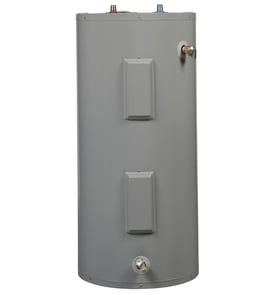



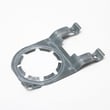
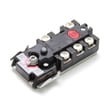
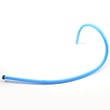
How do I know which anode rod to buy?
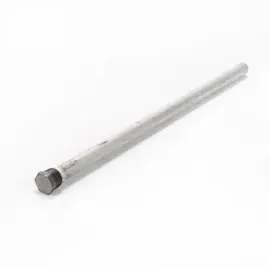
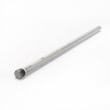
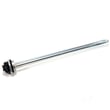
For your Ao Smith ECLN40 electric water heater, the safest way to choose the correct anode rod is to match the exact replacement listed for this model. On our parts list, the model-matched option is the anode rod 100109624, which ensures the right fit and connection style for ECLN40.
Quick way to choose the right anode rod
- Match by model first: Use ECLN40 and select the anode rod shown for that model.
- Confirm the part ID: The model-listed anode rod is 100109624.
- Check your symptoms:
- Fast tank corrosion or frequent rod wear: standard sacrificial anode is typical.
- “Rotten egg” odor: often tied to water chemistry; anode type can influence odor.
- Verify clearance: Make sure you have enough overhead space to remove the old rod (some installs need extra clearance).
- Plan for sealing: Have thread sealant or tape ready if your installation uses it.
What changes between anode rods (and what usually does not)
Most selection mistakes come from buying a rod that does not match the thread size, length, or head style. Material choice matters for performance, but fit comes first.
| What you’re choosing | What it affects | What to do for ECLN40 |
|---|---|---|
| Correct fit (threads, length, head) | Whether it installs and seals properly | Use the model-listed anode rod 100109624 |
| Material type (magnesium vs aluminum/zinc) | Corrosion protection and potential odor interaction | Start with the model-listed rod unless you are solving a specific water-odor issue |
| Clearance-friendly design | Ease of removal in tight spaces | Measure overhead clearance before starting |
Why it matters
The anode rod is the main corrosion-protection part inside the tank. Using the correct, model-matched rod helps protect the tank lining, reduces premature leaks, and keeps your water heater running reliably.
Last updated: February 2026
How much should a 40-gallon water heater cost?
A typical 40-gallon tank water heater usually costs about $400 to $1,000 for electric and $500 to $2,000 for gas (unit only). Your total installed price is higher because labor, fittings, and any electrical or venting updates add cost.
What changes the price the most
- Type of heater: standard electric, gas, or heat pump (heat pump units cost more upfront)
- Efficiency and features: higher efficiency, smart controls, and longer warranties raise price
- Tank size and shape: tall vs. short models can vary in price
- Local installation needs: shutoff valves, expansion tank, drip pan, venting, or code updates
- Condition of existing hookups: older plumbing or wiring typically increases labor time
Typical cost ranges (quick guide)
| Item | Typical range | Notes |
|---|---|---|
| 40-gallon electric unit | $400 to $1,000 | Most common replacement type in many homes |
| 40-gallon gas unit | $500 to $2,000 | Venting and gas line work can add cost |
| Installation labor and materials | $300 and up | Varies widely by region and complexity |
How this relates to your Ao Smith ECLN40
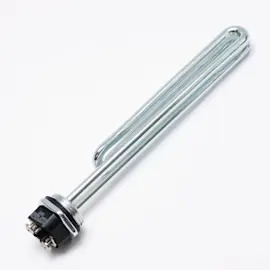
If you already own an Ao Smith ECLN40, replacing worn components can be a cost-effective alternative to full replacement when the tank itself is still in good condition. Common maintenance and repair parts for this model include the heating element 100108283, thermostat 100109846, and anode rod 100109624.
Why it matters
A 40-gallon water heater price is only part of the decision. Comparing replacement vs. repair helps you control total cost, reduce downtime, and avoid paying for installation work when a straightforward part replacement restores hot water.
Last updated: February 2026
Are A. O. Smith electric water heaters any good?
Yes. Ao Smith electric water heaters are a solid, mainstream choice for most homes because they typically deliver steady hot water and straightforward electric-water-heater serviceability. Long-term results depend most on water quality, correct installation, and routine maintenance on your ECLN40.
What “good” means for an electric water heater
A good electric water heater consistently heats water, holds temperature, and avoids premature tank or component failures.
Key indicators:
- Stable hot water temperature during normal use
- Reasonable recovery time after showers or laundry
- No tripped breaker or repeated reset events
- No water around the base, fittings, or access panels
- Normal operating noise (no loud popping or rumbling)
The parts that most affect performance and reliability
On the Ao Smith ECLN40, the most common wear items are service parts. Replacing them on time is what keeps an older unit “good.”
| Part | What it does | When it becomes a problem |
|---|---|---|
| Element 100108283 | Heats the water | Slow recovery, lukewarm water, breaker trips |
| Thermostat 100109846 | Controls water temperature | Overheating, not heating, temperature swings |
| Anode rod 100109624 | Helps protect the tank from corrosion | Rusty odor, accelerated tank corrosion risk |
| Dip tube 100108611 | Directs incoming cold water | Hot water runs out unusually fast |
Quick checks before blaming the heater
- Confirm the breaker is fully on (not half-tripped).
- Check for a steady drip at plumbing connections.
- Listen for heavy rumbling (often tied to sediment).
- If water is too hot or too cool, suspect thermostat setting or thermostat performance.
- If hot water runs out fast, suspect a failed dip tube or a heating element issue.
Why it matters
Electric water heaters are simple machines; most “bad heater” complaints trace back to a few replaceable components (element, thermostat, anode rod) or maintenance issues. Keeping those items in shape is the difference between years of reliable hot water and repeated problems.
Last updated: February 2026
What is usually the most common water heater problem?
The most common water heater problem is loss of heating efficiency from mineral sediment buildup in the tank, which often shows up as reduced hot water, longer recovery time, and popping or rumbling noises. On the Ao Smith ECLN40 electric water heater, the next most common issues are failed heating components such as an element or thermostat.
What you’ll typically notice first
- Hot water runs out faster than it used to
- Water takes longer to heat back up
- Rumbling, crackling, or popping sounds during heating
- Water temperature swings (too hot or too cool)
- Higher electric bills with no other clear cause
- Small leaks at fittings or around access areas
Common causes and the parts most often involved
Sediment is the root cause in many electric water heater complaints because it insulates the heating surface and makes the heater work harder. If the heater is not heating correctly, these parts are the usual suspects for the ECLN40:
| Symptom | Most likely cause | What we check/replace first |
|---|---|---|
| No hot water | Failed element or thermostat | Element 100108283, thermostat 100109846 |
| Not enough hot water | Sediment, weak element, thermostat out of calibration | Element 100108290, thermostat settings |
| Temperature swings | Thermostat issue or wiring/connection problem | Thermostat 100110039, terminal connections |
| Popping/rumbling | Sediment buildup | Tank flush and inspection |
Quick checks we recommend before replacing parts
- Confirm the breaker is on and not tripped (electric water heaters are typically 240V)
- Turn power off, remove the access panel, and look for loose or overheated wiring
- Check for moisture at the element gasket area and around fittings
- If you have a multimeter, test the heating element and thermostats for continuity
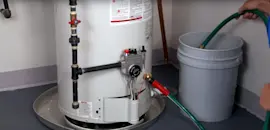
- Flush a few gallons from the drain valve to see if heavy sediment is present
If you’re doing electrical testing, our how to use a multimeter to test electrical parts video is a solid walkthrough.
Why it matters
Sediment buildup and failing heating controls force the water heater to run longer and hotter than necessary, which accelerates wear on the element, thermostats, and tank lining. Catching the problem early helps restore hot water performance and can prevent more expensive damage.
Last updated: February 2026
What is the life expectancy of an A. O. Smith electric water heater?
Most A. O. Smith electric water heaters have a typical life expectancy of 10 to 12 years. For the Ao Smith ECLN40 electric water heater, regular maintenance and timely replacement of wear items (like the anode rod and heating elements) helps you reach that range and avoid early tank failure.
Typical lifespan and what changes it
A water heater’s tank life is mainly affected by water quality, temperature settings, and maintenance.
- Hard water speeds up scale buildup on the heating elements
- High thermostat settings increase stress on the tank and elements
- No flushing lets sediment accumulate and reduces efficiency
- A depleted anode rod allows faster tank corrosion
- Heavy daily hot water use increases cycling and wear
Maintenance that most improves lifespan
These steps are the most practical ways to keep an ECLN40 running longer.
- Flush the tank periodically to reduce sediment
- Inspect and replace the anode rod when it is heavily worn
- Check for leaks at fittings and around access panels
- If hot water output drops, test and replace failed heating elements
- Keep wiring protected and covers installed after service
Parts that commonly affect longevity (ECLN40)
If performance is declining, these parts are often involved:
| Symptom | Common cause | Part to check |
|---|---|---|
| Not enough hot water | Burned-out element or thermostat issue | Element 100108283, thermostat 100109846 |
| Slow recovery | Scale on element, weak element | Element 100108290 |
| Rumbling or popping | Sediment buildup | Flush tank (service step) |
| Rusty odor or faster corrosion | Worn anode rod | Anode rod 100109624 |
Why it matters
Once the tank itself corrodes through, the water heater is no longer a practical repair. Replacing the anode rod on schedule and keeping sediment under control are the two biggest factors that protect the tank and help you get the full 10 to 12 years.
Last updated: February 2026