Installation guide
 Owner’s manual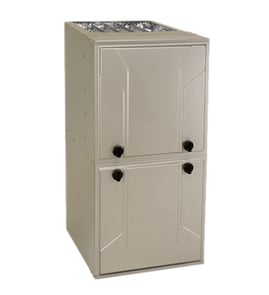




What are the common problems with Payne furnaces?
Payne furnaces like model PG8MAA048110AAJA most often have no-heat or short-cycling problems caused by airflow restrictions (dirty filter, blocked return/supply), ignition issues (hot surface igniter or flame-sensing problems), or safety trips (limit switch or pressure-switch related). Use the PG8MAA048110AAJA installation guide to confirm setup requirements that prevent rollout, condensation, and corrosion.
Most common symptoms and what they usually point to
- No heat, blower runs: ignition failure, flame not proven, or a control issue
- Starts then shuts off quickly (short cycling): overheating from low airflow, limit switch opening
- Burners light then go out: flame-sensing issue, combustion-air or venting problem
- Furnace trips on safety: temperature limit switch opening, pressure switch not closing
- Unusual noise: blower wheel issues, inducer issues, or loose panels
Model-specific issues we see most often on PG8MAA048110AAJA
These parts are commonly involved when the symptoms above show up:
| Symptom | Common cause | Part to check/replace (if failed) |
|---|---|---|
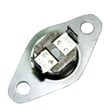
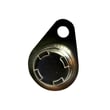
| Short cycling, “overheat” behavior | Restricted airflow, high temperature rise | Furnace temperature limit switch HH18HA495 or furnace temperature limit switch HH18HA493 |
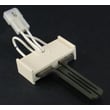
| No ignition or intermittent ignition | Failed igniter or wiring issue | Furnace burner igniter (match by listing for your unit) |
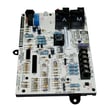
| Random shutdowns, no response, odd behavior | Control board failure or loose connections | Control board HK42FZ034 |
Why airflow and combustion air matter (and cause “mystery” failures)
Your installation requirements matter as much as the parts. For this furnace family, the installation guidance calls out that return air must be properly ducted and sealed to prevent negative pressure that can contribute to flame rollout or drawing combustion products into the structure. It also emphasizes using clean, uncontaminated combustion air; common household chemicals (such as cleaners, bleach, aerosols, paint, and glue) can contribute to corrosion and premature venting or furnace damage.
Quick checks we recommend before replacing parts
- Replace or clean the air filter, then verify all supply and return vents are open
- Confirm the return-air temperature is in a normal range (many systems target roughly 55°F to 80°F)
- Inspect the venting for blockage, sagging, or disconnections
- Look for loose or damaged wiring connections at the control board and safety switches
- If you suspect an electrical issue, use safe test methods from how to use a multimeter to test electrical parts video
Ordering the right replacement parts
We list model-matched parts for PG8MAA048110AAJA on this page; for broader part searches by model number, use Sears PartsDirect.
Last updated: February 2026
What is the most expensive part to fix on a furnace?
On a Payne furnace like model PG8MAA048110AAJA, the most expensive repair is typically replacing the heat exchanger because it is a major core component and the job involves significant disassembly and safety checks. Other high-cost repairs often involve the control board and blower-related components.
What usually costs the most (parts plus labor)
These repairs tend to be the priciest because access, testing, and reassembly take time:
- Heat exchanger replacement
- Electronic control board replacement
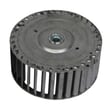
- Blower repairs (motor, blower wheel, housing)
- Inducer or venting-related repairs
- Gas control troubleshooting (gas valve, manifold, ignition system)
For this model, examples of higher-cost parts we list include the furnace heat exchanger 326600-751 and the control board HK42FZ034.
Why the heat exchanger is usually the costliest
The PG8MAA048110AAJA installation information notes that heavy soot and carbon buildup on the heat exchangers points to an underlying combustion problem; in those situations, replacement is recommended rather than trying to clean it thoroughly. That combination of diagnosis plus replacement labor drives the total cost.
Quick comparison: expensive part vs. expensive repair
| Repair area | Why it gets expensive | Common first checks |
|---|---|---|
| Heat exchanger | Major teardown, combustion and venting verification | Soot/corrosion, vent condition, airflow restrictions |
| Control board | Higher part cost, requires correct diagnosis | Wiring connections, safety switch inputs |
| Blower components | Multiple parts, access time, cleaning and balancing | Dirty filter, dirty wheel, vibration/noise |
Steps that help avoid big repair bills
These basic maintenance items reduce stress on major components:
- Check and clean the air filter monthly; replace if torn
- Inspect blower motor and blower wheel each heating season; clean as needed
- Check electrical connections for tightness and proper operation
- Inspect burner area for rust, soot, or excessive dust
- Inspect vent pipe/vent system for rust or corrosion
Follow the safety and maintenance steps in the installation guide.
Ordering the right part
Match parts by the full model number PG8MAA048110AAJA and the exact part listing; order from the parts list for this model or search by model number on Sears PartsDirect.
Last updated: February 2026
How do I find the model number on my PG8MAA048110AAJA?
Your Payne furnace model number is printed on the furnace rating plate (data tag) inside the cabinet, typically behind the upper or blower access door. Match the full model exactly (for example, PG8MAA048110AAJA) before ordering parts or using wiring and troubleshooting information in the installation guide.
Where to look on the furnace
We recommend checking these common locations first:
- Inside the cabinet on a rating plate near the burner compartment
- On or near the blower compartment behind the lower access door
- Along the inside edge of an access panel (you may need a flashlight)
- Near the gas control group area, close to the manifold or gas valve
- On a side wall of the furnace cabinet
How to confirm you have the right number
Write down the model number and any serial number exactly as shown. The installation literature also shows how Payne model numbers are structured (series, size, and variations), which helps you avoid mixing up similar models.
| What to record | Why it matters |
|---|---|
| Full model number (PG8MAA048110AAJA) | Ensures diagrams and parts match your exact furnace |
| Serial number | Helps identify production run details for service and parts lookup |
| Any suffix letters | Can indicate minor design variations that affect fit |
Why it matters
Payne furnaces often share similar cabinet sizes and components, but parts like the control board, igniter, and limit switches can vary by exact model. Using the correct model number helps you select the right replacement and follow the correct diagnostic steps.
If you are replacing an electrical component, we also recommend turning off power at the breaker before opening panels.
Last updated: March 2026