Owner’s manual
 Error Codes



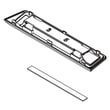
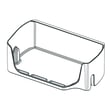

How to replace Samsung ice tray?
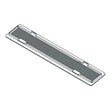
On the Samsung RS22T5201SR side-by-side refrigerator, replacing the ice tray is usually a simple slide-out, slide-in swap. Remove the tray or bucket assembly, transfer any parts if needed, then reinstall it centered so it does not bind or jam during operation (details vary by ice maker style). See the RS22T5201SR owner's manual for your exact tray removal steps.
Before you start
- Turn the ice maker off (if your model has an Ice Maker button) to prevent cycling while you work.
- Empty the ice bucket; clumped or jammed ice can block removal and reinstallation.
- Keep hands and tools out of the dispenser outlet and ice maker area to avoid injury.
- If you recently unplugged the refrigerator, wait at least 5 minutes before plugging it back in.
Replacement steps (most common method)
- Open the freezer door.
- Slide the ice tray out (or remove the ice bucket first, depending on configuration).
- Inspect the tray for cracks, warping, or heavy mineral buildup; replace if damaged.
- Slide the replacement tray back in.
- Reinstall the bucket and make sure it seats fully.
Centering matters
When reinserting the tray, keep it properly centered at the entrance; if it is off-center, it can get stuck.
If your model uses a twist ice maker tray
Use these operating cues to confirm you are working with a twist-style tray:
- The tray slides open for filling.
- There is a maximum fill line marked inside the tray.
- Ice dispenses by turning a handle to dump cubes into the bin.
| Ice system type | What you do to remove/replace | Common mistake to avoid |
|---|---|---|
| Slide-out tray / bucket system | Remove bucket, then tray (varies by model) | Reinstalling off-center so it binds |
| Twist ice maker tray | Slide tray out, refill to max line, slide back | Overfilling past the max line |
After replacement: verify ice production
- Dispense and discard the first 4 to 6 cubes.
- Wait 8 hours, then dispense another 4 to 6 cubes.
- Wait another 16 hours, then the bucket should be ready for normal use.
Why it matters
A cracked or misaligned ice tray can cause overflow, jams, and poor ice production. Installing the tray centered and keeping the bucket clear helps the ice maker cycle normally and prevents repeated clogs.
Last updated: February 2026
What are the most commonly replaced parts in a refrigerator?
In a Samsung side-by-side refrigerator like model RS22T5201SR, the most commonly replaced parts are the ones that wear out or get restricted over time: water filtration parts, ice maker components, fan motors, sensors, and control boards. Major sealed-system parts like the compressor are replaced less often but are high impact when they fail.
Most common replacements (and what they affect)
- Water filter and filter housing: slow water flow, bad taste/odor, dispenser issues
- Ice maker parts: no ice, small cubes, jammed ice, dispenser not dispensing
- Evaporator fan motor: warm fridge/freezer, weak airflow, unusual fan noise
- Temperature sensors: temperature swings, inconsistent cooling
- Electronic control board: erratic operation, cooling problems, display or function issues
- Door closing and sealing-related parts: doors not closing fully, frost, moisture
RS22T5201SR maintenance clue that drives “common” replacements
Samsung notes that after about 6 months (typically around 300 gallons) the filter indicator can blink to remind you to replace the water filter, then you reset the filter life by holding Filter Reset for 3 seconds. That routine alone makes water filtration one of the most frequently replaced items. See the RS22T5201SR owner's manual.
Examples of model-matched parts customers often end up replacing
| Symptom | Likely part category | Example from this model’s parts list |
|---|---|---|
| Not cooling well, loud humming, won’t start | Sealed system | Refrigerator compressor NF54M7151ANASH |
| No ice or dispenser ice issues | Ice maker assembly | (Ice maker assemblies vary by symptom and configuration) |
| Warm temps, poor airflow | Fan motor | (Evaporator or compartment fan motor) |
| Filter light on, slow water | Water filter system | (Housing and filter-related parts) |
Why it matters
Replacing the right “high-wear” part first (filter, fan motor, sensor, ice maker component) often restores normal cooling, ice production, and water flow faster and helps prevent secondary issues like frost buildup, leaks, and food spoilage.
Last updated: February 2026
What is the lifespan of a Samsung side by side refrigerator?
Most Samsung side-by-side refrigerators typically last about 12 to 15 years with normal household use and basic maintenance. For your Samsung RS22T5201SR, keeping airflow clear, cleaning regularly, and addressing cooling or ice-maker issues early helps you reach that expected service life; see the RS22T5201SR owner's manual for model-specific care steps.
Typical lifespan and what affects it
A refrigerator’s life is mostly driven by compressor run time, airflow, and how well the doors seal.
- Usage and load: frequent door openings and overpacking increase run time
- Airflow: blocked vents can cause overcooling and stress components
- Cleaning: dust buildup and spills shorten component life
- Water and ice system care: filter changes and leak prevention reduce damage risk
- Power events: unplugging and replugging too quickly can be hard on electronics
Maintenance checklist we recommend
Use these habits to protect the sealed system, fans, and control board.
- Keep interior air vents unblocked so cold air circulates properly
- Wait at least 5 minutes before plugging the refrigerator back in after it’s unplugged
- Clean door gaskets and confirm doors close fully (warm air intrusion increases run time)
- Use potable water only for the water tank and ice system
- Clean spills promptly and keep food in covered containers to reduce odors and moisture
Parts most tied to “end of life” symptoms
When a refrigerator is nearing the end of its lifespan, these parts are often involved.
| Symptom | Common system involved | Example part for this model |
|---|---|---|
| Not cooling or weak cooling | Sealed system | Refrigerator compressor NF54M7151ANASH |
| Warm spots, noisy airflow | Evaporator/fan airflow | Evaporator fan motor (model-specific) |
| Intermittent temps, odd behavior | Controls/sensors | Electronic control board (model-specific) |
Why it matters
Knowing the typical 12 to 15 year lifespan helps you decide whether to repair (often best for a single failed fan, sensor, or ice component) or plan replacement when sealed-system issues stack up and performance becomes inconsistent.
Last updated: February 2026
What is the most common problem with Samsung refrigerators ice?
The most common ice problem we see on Samsung side-by-side refrigerators like model RS22T5201SR is little or no ice caused by restricted water flow (often a clogged filter) or an ice maker that freezes up from warm air leaks around the ice chute or door seal. For model-specific operating and safety notes, use the RS22T5201SR owner's manual.
Most common causes (and what to check first)
- Water filter restriction: a clogged filter reduces fill volume, causing small cubes or no ice.
- Low household water pressure: the ice maker may not fill properly.
- Ice maker or ice room freezing up: frost buildup can jam the ejector or block the chute.
- Dispenser flap not sealing: warm air enters, then moisture freezes components.
- Ice bucket issues: clumped ice can prevent dispensing and make it seem like the ice maker stopped.
- Air vents blocked by food: blocked vents can cause overcooling and contribute to freezing issues.
Quick troubleshooting steps for RS22T5201SR
- Confirm the ice maker is turned ON and the freezer is set cold enough (most homes do best around 0°F).
- Dump old ice; wash and fully dry the bucket, then reinstall it.
- Replace the water filter if flow is slow or the filter is overdue.
- Inspect the ice chute area for frost; clear any visible ice buildup.
- Make sure packages are not blocking interior air vents.
Safety note
We follow Samsung’s guidance: keep fingers and objects out of the ice chute and ice bucket area, and avoid disassembling internal components beyond routine maintenance described in the manual. Refer to the RS22T5201SR owner's manual for safe handling details.
Symptoms and likely causes
| Symptom | Most likely cause | What to do |
|---|---|---|
| No ice production | Filter restriction or low water pressure | Replace filter; verify supply valve fully open |
| Small or hollow cubes | Low fill volume | Check pressure; replace filter |
| Ice clumps in bucket | Partial melting from warm air leaks | Break up clumps; check chute flap and door seal |
| Frost around ice chute | Dispenser flap not sealing | Clear frost; inspect flap for obstruction |
Why it matters
Ice issues are usually a water flow or warm air leak problem. Fixing the root cause prevents repeat freeze-ups, improves cube size, and reduces strain on the ice maker and freezer airflow.
Last updated: February 2026
What is the most common problem with Samsung refrigerators?
The most common issue we see on Samsung refrigerators like model RS22T5201SR is a cooling problem caused by restricted airflow or frost and ice buildup around the evaporator area, which can make the fresh food section warm or temperatures inconsistent. Ice maker and dispenser problems are also frequent.
Most common symptoms customers notice
- Refrigerator section is warm but freezer seems OK
- Temperature swings (food freezing in the fridge or not staying cold)
- Frost or ice buildup on the back wall or inside vents
- Loud fan noise, rattling, or a fan that stops and starts
- Ice maker stops making ice or makes small, clumped cubes
- Water dispenser flow is slow
Quick checks we recommend first (before replacing parts)
- Confirm vents are not blocked by food packages; blocked vents can cause overcooling or poor cooling.
- Power reset correctly: unplug for 5 minutes, then plug back in.
- Inspect door closing and sealing: a door left slightly open can drive frost buildup and temperature issues.
- Look for obvious ice buildup near air outlets or the freezer back panel.
- Follow the model-specific operating guidance in the RS22T5201SR owner's manual.
Parts commonly involved when cooling or ice issues persist
If basic checks do not restore normal temperatures, these components are often involved on side-by-side designs:
| Problem area | Common suspect part | What it affects |
|---|---|---|
| Air circulation | Evaporator fan motor | Moves cold air through freezer and refrigerator |
| Temperature feedback | Temperature sensor | Tells the control how long to run cooling/defrost |
| Sealed system | Compressor | Creates cooling by circulating refrigerant |
| Ice production | Ice maker assembly | Harvesting and filling ice |
For RS22T5201SR, one example of a model-listed sealed-system part is the refrigerator compressor NF54M7151ANASH.
Why it matters
Cooling and ice maker complaints often share the same root causes: airflow restrictions, frost buildup, or a failing fan or sensor. Catching it early helps prevent food spoilage and reduces strain on the compressor.
Last updated: February 2026