


How much should a central air conditioner cost?
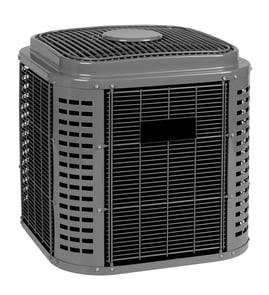
A typical installed central air conditioner system usually costs about $5,000 to $12,000 in the U.S., with higher prices for larger, higher-efficiency equipment and complex installs. For Icp model CA5524VKC1, the exact total depends on your home’s size, ductwork condition, and required electrical or refrigerant-line work.
- System size (tons/BTUs): Bigger homes need larger capacity.
- Efficiency rating (SEER2): Higher efficiency usually costs more upfront.
- Installation complexity: Long line sets, tight access, rooftop installs, or crane needs increase labor.
- Ductwork condition: Repairs, sealing, or replacement can add significant cost.
- Electrical upgrades: New disconnect, breaker, or wiring changes can add cost.
- Permits and code requirements: Varies by location.
| Cost item | Common range | Notes |
|---|---|---|
| Outdoor condenser unit | $2,000 to $6,000 | Varies by size and efficiency |
| Indoor coil/air handler compatibility | $1,000 to $4,000 | Often replaced or matched for performance |
| Labor (install) | $2,000 to $6,000+ | Complexity drives this most |
| Ductwork repairs (if needed) | $500 to $5,000+ | Sealing is cheaper than replacement |
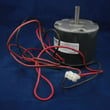
A properly sized and installed system costs less to run, controls humidity better, and reduces strain on key components like the contactor and condenser fan parts. If you are repairing instead of replacing, common service parts for CA5524VKC1 include the blade 1085958, cap rnrdv+ 12969, and mtr cnd 1052662.
- If the outdoor fan is noisy or wobbling, check the fan blade and motor.
- If the outdoor unit will not start but hums or clicks, the run capacitor or contactor is often involved.
- If cooling is weak, airflow and coil condition matter before assuming a refrigerant issue.
Last updated: February 2026
What is the most expensive part to replace on an AC unit?
In most central air conditioners (including Icp model CA5524VKC1), the compressor is typically the most expensive single component to replace because it is the sealed, high-labor “heart” of the refrigerant system. When a compressor fails, many homeowners compare repair cost versus full unit replacement.
The compressor is expensive due to the part cost, refrigerant handling, and the time required to diagnose and install it correctly.
Common high-cost repair categories include:
- Compressor (sealed system repair; refrigerant work required)
- Condenser coil (leaks or severe corrosion can drive up labor)
- Control board (on systems that use advanced electronics)
- Major electrical failures that damage multiple components
Many “no cool” problems come from smaller electrical parts that are far less expensive than a compressor.
On CA5524VKC1, examples of commonly replaced items include:
- Blade 1085958 (damaged or wobbling fan blade)
- Cap rnrdv+ 12969 (weak run capacitor causing hard starts)
- Mtr cnd 1052662 (condenser fan motor issues)
- Contactor (pitted contacts can prevent the outdoor unit from running)
| Repair area | Typical cost impact | What you may notice |
|---|---|---|
| Compressor | Highest | Hums, trips breaker, won’t cool |
| Coil / refrigerant leak | High | Icing, low cooling, hissing |
| Capacitor / contactor | Moderate to low | Clicking, hard start, intermittent run |
| Condenser fan motor / blade | Moderate | Outdoor fan not spinning, overheating |
If the compressor is the issue, the repair can be significant, so confirming the diagnosis first helps avoid replacing parts that are not actually failed. For electrical troubleshooting, we use a meter and safe test procedures like those in how to use a multimeter to test electrical parts video.
Last updated: February 2026
How do you know when your central air conditioner needs to be replaced?
If your Icp central air conditioner model CA5524VKC1 is 10 to 15 years old, needs frequent repairs, cools unevenly, or your energy bills keep climbing, replacement is the better long-term choice than continuing to repair major components.
- Repairs are needed every season (or multiple times per season)
- Weak cooling, long run times, or poor humidity control
- Unusual outdoor-unit noise (grinding, squealing, repeated buzzing)
- Breaker trips or recurring electrical failures
- Major compressor or sealed-system problems
- The system uses R-22 refrigerant and has a refrigerant leak
| What you’re seeing | Usually points to | Typical next step |
|---|---|---|
| Outdoor unit clicks or won’t start | Repair | Test the control circuit; a failing contactor is common (see condenser fan blade 1085958 for related airflow-overheat symptoms) |
| Outdoor fan wobbles, rattles, or airflow seems weak | Repair | Inspect and replace a damaged fan blade such as condenser fan blade 1085958 |
| Repeated expensive breakdowns | Replace | Compare total repair cost over 24 months vs. replacement cost |
| R-22 leak plus poor performance | Replace | Plan for replacement rather than repeated refrigerant work |
An aging central AC can seem fixable one part at a time, but repeated failures increase operating cost and downtime during hot weather. Replacing at the right time restores comfort and improves reliability.
- Add up repair costs from the last 24 months
- Confirm unit age from the data plate on the outdoor condenser cabinet
- If the system is not starting reliably, have the electrical circuit and controls tested
- If the outdoor fan is noisy or wobbling, inspect the fan blade and motor before more damage occurs
- When repairing, match parts to CA5524VKC1 to avoid fit and wiring issues
Last updated: February 2026
What is the average lifespan of a central air conditioning unit?
Most central air conditioning units last 15 to 20 years with normal use and regular maintenance. For your Icp CA5524VKC1 central air conditioner, lifespan depends most on coil cleanliness, correct refrigerant charge, steady airflow, and avoiding frequent short-cycling.
| Unit situation | Typical lifespan | What usually shortens it |
|---|---|---|
| Properly maintained system | 15 to 20 years | Dirty coils, low airflow, electrical wear |
| Minimal maintenance | 10 to 15 years | Overheating, corrosion, compressor stress |
| Harsh conditions (coastal, heavy run time) | 8 to 12 years | Salt corrosion, constant cycling |
- Replace or clean the indoor air filter regularly to protect airflow.
- Keep the outdoor condenser coil clean; maintain clearance around the unit.
- Confirm the condenser fan runs smoothly; a bent or cracked fan blade reduces airflow.
- Watch for electrical wear (buzzing, chattering, or intermittent starts often point to control issues).
- Have refrigerant charge and overall performance checked periodically by a qualified technician.
If the outdoor unit is noisy, struggles to start, or shuts off unexpectedly, these parts are often involved:
- Blade 1085958 (condenser fan blade that moves air through the outdoor coil)
- Cap rnrdv+ 12969 (run capacitor that helps the compressor and/or fan motor run)
- Mtr cnd 1052662 (condenser fan motor)
As a central AC approaches end-of-life, efficiency and reliability drop first. Keeping airflow and the outdoor coil in good shape helps prevent compressor overheating, which is typically the most expensive failure.
Last updated: February 2026