



How long will an electric leaf blower last?
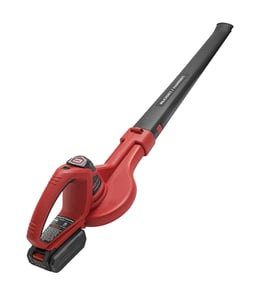
A Toro 51545 electric leaf blower typically lasts about 10 years with normal homeowner use and basic maintenance. Keeping the air path clear, avoiding overheating, and replacing worn safety and bagging parts on time are the biggest factors in getting a full service life.
Most corded electric leaf blowers reach their full lifespan when the motor stays cool and the impeller area stays clear.
- Usage load: heavy wet leaves and vacuuming mulch shorten life
- Heat management: blocked vents and long continuous runs overheat the motor
- Debris control: grit and small stones accelerate impeller and housing wear
- Electrical health: damaged cords, loose connections, and worn switches cause failures
- Storage: moisture and dirt lead to corrosion and sticking controls
- Unplug before cleaning or inspecting.
- Clear packed debris from the intake and discharge after each use.
- Inspect the cord for nicks, crushed spots, or loose strain relief.
- Keep fasteners snug so the housing does not flex or vibrate.
- If your unit has vacuum mode, empty and clean the bag so airflow stays strong.
If the blower runs intermittently, will not start, or shuts off unexpectedly, these parts are common wear points on the Toro 51545.
| Symptom | Common cause | Example part on this model |
|---|---|---|
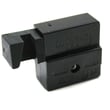
| Won’t start | Interlock or switch issue | Leaf blower safety switch 57-5910 |
| Shuts off during use | Switch overheating or poor contact | Leaf blower safety switch 57-5910 |
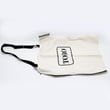
| Weak vacuum or clogging | Restricted airflow | Vacuum bag 57-5950 |
A leaf blower that is running hot or struggling to move air wears the motor faster. Simple airflow maintenance and timely replacement of wear parts (like the switch or bag) usually adds years of reliable performance.
Last updated: February 2026
Is a higher mph or CFM better for a leaf blower?
For the Toro 51545 electric leaf blower, higher CFM is better for moving more leaves at once (overall clearing power), while higher MPH is better for dislodging wet, stuck, or heavy debris in a focused spot. For most yard cleanup, we prioritize higher CFM, then look for enough MPH to break debris loose.
- CFM (cubic feet per minute): how much air the blower moves; this drives how wide and fast you can clear.
- MPH (miles per hour): how fast the air stream is; this drives how well you can “blast” debris free.
- Best real-world performance comes from a balance: strong airflow volume with a usable airspeed.
- Driveway, patio, open lawn: prioritize higher CFM to push piles efficiently.
- Wet leaves, matted grass, pine needles in cracks: prioritize higher MPH to break material loose.
- Mulch beds and landscaping: moderate MPH helps avoid scattering mulch; controlled airflow matters.
- Vacuum or bagging setups: airflow (CFM) is typically the bigger factor for moving material through the path.
| Your main goal | Prioritize | Why |
|---|---|---|
| Clear large areas fast | Higher CFM | Moves more material per pass |
| Break loose stubborn debris | Higher MPH | More impact at the nozzle |
| One tool for mixed cleanup | Balanced CFM + MPH | Versatile across surfaces |
If you buy based on MPH alone, the blower can feel powerful up close but slow for big piles. If you buy based on CFM alone, it can move lots of air but struggle with wet, stuck debris. Matching the spec to your yard conditions saves time and reduces strain on the motor and switch.
If your Toro 51545 runs but seems inconsistent (cuts out, won’t stay on, or only runs with pressure on the handle), inspect the switch and wiring connections; a failing switch can mimic “low power.” A common replacement is the Toro leaf blower safety switch 57-5910.
Last updated: February 2026
What is the difference between a 20V and 40V leaf blower?
A 40V leaf blower delivers higher airflow and longer runtime for heavier cleanup (larger yards, damp leaves, thicker piles), while a 20V blower is lighter and easier to handle for quick, smaller jobs. For Toro model 51545 (corded electric), voltage comparisons mainly apply when you are choosing a cordless alternative.
- 20V class: best for patios, garages, small driveways, and light leaf cover
- 40V class: better for lawns, larger lots, and heavier debris (wet leaves, acorns, small twigs)
- Runtime: 40V systems usually run longer per battery and hold power better under load
- Weight: 40V tools and batteries are typically heavier
- Cost: 40V platforms usually cost more (tool and batteries)
| Feature | 20V class blower | 40V class blower |
|---|---|---|
| Best use | Light cleanup | Heavy cleanup |
| Airflow (CFM) | Lower to mid range | Mid to higher range |
| Air speed (MPH) | Lower to mid range | Mid to higher range |
| Handling | Lighter, less fatigue | Heavier, more fatigue |
| Battery needs | Smaller packs | Larger packs, fewer swaps |
- Pick 20V if you want the lightest tool for short bursts and mostly dry leaves.
- Pick 40V if you routinely clear a yard, deal with wet leaves, or want fewer battery changes.
- Compare CFM first, then MPH; CFM moves volume, MPH helps dislodge stuck debris.
- If you already own a battery platform, staying on that platform often matters more than voltage.
Voltage is a shortcut for the tool’s potential power and runtime, but real-world performance comes from the blower’s airflow design and battery capacity. If your Toro 51545 is not starting or is cutting out, that is usually a switch, wiring, or housing issue rather than a “20V vs 40V” issue; parts like the Toro leaf blower safety switch 57-5910 are common starting points.
Last updated: February 2026