


What is the life expectancy of a York furnace?
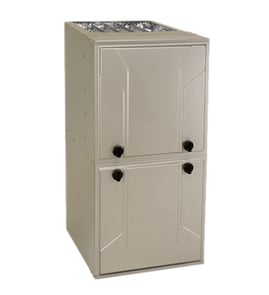
A York gas furnace like model G9T08012UPB13 typically lasts 15 to 20 years. With consistent maintenance and correct setup, it commonly reaches the high end of that range; neglected airflow and electrical issues shorten life.
Typical lifespan ranges (what we see most often)
| Furnace type | Typical life expectancy | What usually ends it first |
|---|---|---|
| Gas furnace (most homes) | 15 to 20 years | Heat exchanger wear, blower/inducer failures |
| Electric furnace | 20 to 30 years | Sequencers, relays, blower motor |
What extends the life of your G9T08012UPB13
- Replace or clean the air filter on schedule (restricted airflow overheats the furnace).
- Keep supply registers and return grilles open and unobstructed.
- Have the burners and flame sensor cleaned during routine service.
- Verify the venting and condensate drainage (if applicable) stay clear.
- Address unusual noises early (squeal, rumble, buzzing) before a motor or control fails.
Parts that commonly affect longevity
Even when the furnace is otherwise healthy, weak electrical components can cause hard starts, overheating, or nuisance shutdowns.
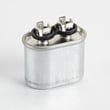
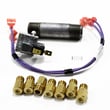
- If your blower motor struggles to start, runs hot, or hums, check the motor run capacitor. For this model, we list the capacitor 12907 (part number 024-20045-700).
Why it matters
A furnace near the end of its expected life is more likely to develop intermittent problems (no-heat calls, short cycling, blower issues). Staying ahead of airflow and electrical wear helps you avoid emergency breakdowns and protects major components.
Ordering parts
We recommend ordering replacement parts for York G9T08012UPB13 directly from the parts list for this model, or searching by model number on Sears PartsDirect.
Last updated: February 2026
What company makes York furnaces?
York furnaces are made by Johnson Controls (often listed as “York by Johnson Controls”). For your York upflow gas furnace model G9T08012UPB13, that means York is the furnace brand and Johnson Controls is the parent manufacturer behind the product line.
How this helps when buying parts for G9T08012UPB13
Knowing the manufacturer name matters because parts listings, data plates, and packaging may show either “York” or “Johnson Controls.” When ordering, we match parts to the model number G9T08012UPB13 first.
- Use the full model number G9T08012UPB13 when searching parts
- Expect to see “York” on the furnace cabinet and “Johnson Controls” in some product references
- Match parts by function and rating (for example, capacitor microfarads and voltage)
- Replace electrical parts with the same specifications as the original
- If you are troubleshooting a blower that hums or struggles to start, a run capacitor is a common check
Common places you will see the manufacturer name
| Where you look | What it may say | What to do |
|---|---|---|
| Furnace rating plate | York, model/serial | Record model and serial exactly |
| Parts diagrams and listings | York or Johnson Controls | Search by model number first |
| Replacement part packaging | York, JCI, or supplier brand | Verify specs match the original |
Related part you can order for this model
If your diagnosis points to a weak or failed motor run capacitor, we list a compatible option for this furnace: capacitor 12907. You can also shop by model on the parts list for G9T08012UPB13, or search more broadly by model number on Sears PartsDirect.
Why it matters
York is the brand you own, but Johnson Controls is the company behind it. Using the correct manufacturer context helps you avoid ordering a look-alike part that does not match the electrical specifications your furnace needs.
Last updated: February 2026
What is the most common part to fail on a furnace?
The most common furnace “failure” we see is a maintenance-related part: a dirty air filter that restricts airflow and overheats the system. For a York G9T08012UPB13 upflow gas furnace, other frequent trouble parts are the flame sensor, igniter, and blower components (including the run capacitor).
Most common furnace trouble spots (in order)
- Air filter: clogging causes overheating and safety shutdowns
- Flame sensor: gets dirty and stops proving flame
- Hot surface igniter (or ignition system): prevents burner ignition
- Thermostat or low-voltage wiring: no call for heat or intermittent operation
- Blower system: weak start, humming, or no airflow (motor, capacitor, control)
- Limit switch / rollout switch: trips when overheating or venting issues occur
Quick symptom-to-part guide
| Symptom | Most likely culprit | What we recommend first |
|---|---|---|
| Furnace starts then shuts off quickly | Dirty filter, flame sensor, limit switch | Replace filter; clean flame sensor; check vents |
| Inducer runs but burners never light | Igniter, gas valve control signal | Check igniter glow; verify safe power and wiring |
| Burners light then go out after a few seconds | Flame sensor | Clean flame sensor and check grounding |
| Blower hums or struggles to start | Run capacitor, blower motor | Test capacitor; inspect motor and wheel |
Where the capacitor fits in
A weak run capacitor can keep the blower motor from starting reliably, which can lead to poor airflow, overheating, and shutdowns. If your symptoms match blower-start issues, the capacitor 12907 is a common electrical part to check and replace on this model.
Why it matters
Most “no heat” calls are caused by airflow restriction or flame-proving problems, not a major gas component. Fixing the common items first (filter, flame sensor, ignition, blower start) restores heat faster and helps prevent repeat shutdowns.
Ordering the right part
We list model-matched replacement parts for the York G9T08012UPB13 on this page; for broader part searches by model number, use Sears PartsDirect.
Last updated: February 2026
What is the most expensive part to fix on a furnace?
On a York G9T08012UPB13 upflow gas furnace, the most expensive repair is typically the heat exchanger because it involves major disassembly plus combustion and venting safety checks. Other high-cost repairs commonly include the blower motor, control board, inducer motor, and gas valve.
Most expensive furnace parts (what usually drives the bill)
- Heat exchanger
- Blower motor
- Furnace control board
- Draft inducer motor
- Gas valve
- Ignition system components (varies by design)
Quick comparison: cost drivers vs. what you notice
| Component | Why it’s expensive | Common symptom examples |
|---|---|---|
| Heat exchanger | Major teardown plus combustion setup and verification | Repeated shutdowns, poor heat, unusual odors, soot around burners |
| Blower motor | Higher part cost plus mounting and wiring time | Weak airflow, overheating, loud humming or squealing |
| Control board | Diagnosis time plus electrical handling | No heat, erratic cycling, blower timing issues |
| Inducer motor | Venting and pressure switch checks | Starts then stops, pressure switch faults, rumbling |
| Gas valve | Gas-line handling and combustion adjustment | No ignition, intermittent heat, burner dropouts |
What we recommend before approving a major repair
- Replace the air filter and confirm supply and return vents are open
- Verify the thermostat is set to heat and calling for heat
- Check the breaker and furnace service switch
- Look for loose or heat-damaged wiring at the blower and control board
- If you’re testing electrical parts, follow safe meter practices in our how to use a multimeter to test electrical parts video
A smaller part that can mimic a “big” failure
A weak run capacitor can cause hard starting, humming, or intermittent motor operation that looks like a failing blower or inducer motor. If your furnace uses one, match the microfarad rating and voltage exactly; a model-matched option is the capacitor 12907 (part number 024-20045-700).
Why it matters
Heat exchanger and gas-related repairs affect combustion safety and system reliability; accurate diagnosis prevents repeat breakdowns and unnecessary part replacement.
For model-matched parts, use the parts list for your York G9T08012UPB13, or search by model number on Sears PartsDirect.
Last updated: February 2026