Error Codes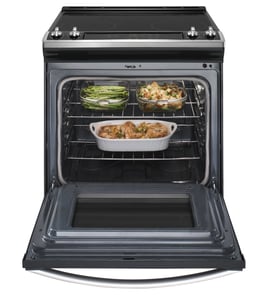


What is a common problem of the electric oven?
A very common problem on an electric oven like the Whirlpool WFC315S0JW3 is that it will not heat correctly (or heats unevenly). The most frequent causes are a failed heating element, a bad oven temperature sensor, or a control issue that prevents the element from cycling normally.
- Oven will not heat at all (bake or broil)
- Oven heats, but temperature is inaccurate (too hot or too cool)
- Long preheat times or weak heating
- Self-clean issues such as a door that will not unlock
- Door does not seal well, causing heat loss and uneven baking
- Confirm the range has full power; many electric ovens need a proper 240V supply, and a tripped breaker can leave the oven partially powered.
- Try both Bake and Broil; if one works and the other does not, the failed circuit is usually isolated to that element or its wiring.
- Look for obvious damage: blisters, cracks, or burned spots on the element.
- If the oven temperature seems off, test with an oven thermometer and compare to the set temperature.
- If the door will not open after self-clean, let the oven cool fully; then check the door lock mechanism.
| Symptom | Common cause | Part to check on this model |
|---|---|---|
| Oven temperature inaccurate | Sensor out of range | Range oven temperature sensor WPW10181986 |
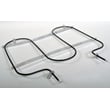
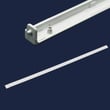
| Broil not working | Broil element failed | Broiler element W10856603 |
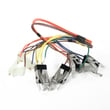
| Door will not unlock | Door lock assembly issue | Range oven door lock assembly WPW10107820 |
When an oven cannot regulate temperature, cooking times and food safety are affected. Fixing the root cause (sensor, element, or door lock) restores stable heat cycling and helps prevent repeated overheating or underheating.
Last updated: February 2026
What is the life expectancy of a Whirlpool electric range?
A Whirlpool electric range typically lasts 13 to 15 years with normal household use. For your Whirlpool WFC315S0JW3, consistent cleaning, avoiding unnecessary high-heat cycles, and fixing small issues early (like inaccurate oven temps) are the biggest factors that help it reach or beat that range.
Most electric ranges fail early due to heat-related wear, heavy use, or neglected maintenance. These factors have the biggest impact:
- How often you bake/broil (daily use shortens lifespan)
- Heat stress on controls and wiring (blocked vents and grease buildup raise temps)
- Self-clean frequency (high heat can accelerate wear on door locks, insulation, and electronics)
- Power quality (loose outlet/cord connections can damage terminals and controls)
- Timely repairs (replacing a failing sensor or element prevents bigger damage)
If performance changes, replacing the right part early often restores normal cooking and reduces strain on other components.
| Symptom | Common cause | Example part for WFC315S0JW3 |
|---|---|---|
| Oven temperature swings, underbakes/overbakes | Temperature sensor drifting out of range | Range oven temperature sensor WPW10181986 |
| Oven will not heat or heats unevenly | Bake or broil element failing | Burner-bake, W11182108, broiler element W10856603 |
| Surface burner stuck on high or not heating | Surface element control switch issue | Range surface element control switch WP3148952 |
These habits help your range last longer and cook more consistently:
- Keep the control area and venting free of grease and foil
- Wipe spills quickly to prevent baked-on carbon and smoke
- Avoid lining the oven bottom with foil (it can trap heat and damage finishes)
- If you use self-clean, do it only when needed and remove heavy soil first
- Address temperature problems early using the sensor and element checks above
A range that is running hot, cold, or cycling incorrectly works harder to hit temperature. That extra heat and run time can shorten the life of heating elements, wiring, and the electronic control.
For step-by-step help when the oven is not heating correctly, use our oven wont heat troubleshooting electric range problems video.
Last updated: February 2026
Are Whirlpool electric ranges any good?
Yes. Whirlpool electric ranges, including Whirlpool model WFC315S0JW3, are a dependable choice for everyday cooking; they’re known for straightforward controls, consistent performance when properly maintained, and strong overall value. Most “bad range” complaints trace back to normal wear parts that are replaceable.
A good electric range should preheat steadily, hold oven temperature, and cycle surface heat predictably. When any of those slip, the fix is often a sensor, heating component, or control.
Common strengths:
- Reliable day-to-day baking and broiling
- Simple operation and familiar layout
- Repairable design with widely available replacement parts
- Good long-term value when maintained
If you’re judging “good” based on a current symptom, these are frequent repair paths for WFC315S0JW3:
- Oven temperature seems inaccurate: check the range oven temperature sensor WPW10181986
- Surface element won’t regulate heat: check the range surface element control switch WP3148952
- Oven won’t broil: inspect the broiler element W10856603
- Door won’t unlock after self-clean: inspect the range oven door lock assembly WPW10107820
- Confirm the range has full power (a tripped breaker can cause partial heating).
- Test bake and broil separately to narrow the circuit involved.
- If only one surface burner acts up, the issue is usually the element or its control switch.
- If the display shows an error code, diagnose that code first.
Use Whirlpool freestanding range error codes to match any F-code to the most likely failure area (sensor, latch, or electronic control).
| Symptom | Most likely area | Typical next step |
|---|---|---|
| Oven temp swings or is off | Temperature sensing | Check/replace sensor |
| Burner stuck high/low | Infinite switch | Replace control switch |
| No broil heat | Broil circuit | Replace broil element |
| Door locked | Latch/lock | Check door lock assembly |
A range can seem “not good” when it’s simply running out of spec due to a worn component. Replacing a key part like a temperature sensor or surface element switch often restores normal cooking performance and extends the appliance’s life.
Last updated: February 2026