
What are the downsides of a reel mower?
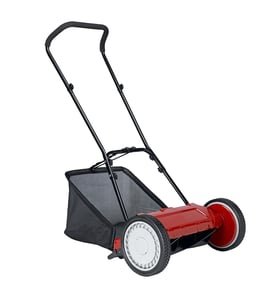
Reel mowers like the Mcclane 21-5-BS-SP deliver a very clean cut on short, well-kept turf, but the tradeoff is they demand more frequent mowing and more precise setup. They struggle in tall, wet, or weedy grass and can be less forgiving on bumpy lawns.
Common downsides you will notice
- Poor performance in tall or thick grass: the reel can clog or push grass over instead of cutting cleanly.
- More effort to use: especially on slopes, dense turf, or when the reel is not perfectly adjusted.
- Uneven terrain issues: bumps and dips can cause scalping in high spots and missed cuts in low spots.
- More sensitive to debris: small sticks, stones, and pinecones can nick the blades or jam the reel.
- Edge trimming is harder: reel mowers typically do not reach tight edges as easily as many rotary mowers.
- Sharpening and adjustment needs: keeping the reel and bedknife aligned is key; dull blades tear grass.
Maintenance and setup tradeoffs (what you are signing up for)
Reel mowers cut best when the reel-to-bedknife clearance is correct and the blades are sharp. If the cut quality drops, you usually need to:
- Clean packed clippings from the reel and undercarriage
- Check for bent blades or a nicked bedknife after hitting debris
- Adjust the reel-to-bedknife contact so it cuts without heavy drag
- Sharpen the reel and bedknife when you see frayed, brown tips
Reel mower vs rotary mower: quick comparison
| Topic | Reel mower | Rotary mower |
|---|---|---|
| Best grass height | Short, maintained | Handles taller growth better |
| Cut quality | Very clean scissor cut | Can tear if blade is dull |
| Terrain tolerance | Less forgiving | More forgiving |
| Debris tolerance | Lower | Higher |
Why it matters
A reel mower’s “scissor cut” helps turf look cleaner, but only when you mow often and keep the cutting system sharp and properly adjusted. If your lawn grows fast, gets thick, or has lots of bumps and debris, you will spend more time pushing, clearing jams, and tuning the cut.
For blade and cutting-system upkeep tips that apply to most walk-behind mowers, use our guide: how to sharpen a lawn mower blade.
Last updated: February 2026
Who makes the best commercial walk behind mower?
The “best” commercial walk-behind mower is the one that matches your mowing volume, terrain, and cut-quality expectations. For crews that prioritize durability and serviceability, brands like Toro, Exmark, Honda, and Scag are common top picks; for reel-cut precision, Mcclane models like the 21-5-BS-SP are a strong choice.
How we recommend choosing (what matters most)
- Cut type: reel mower (fine, scissor-like cut) vs. rotary mower (faster, more forgiving)
- Deck size: 21-inch class for tight areas; 30-inch class for productivity
- Drive system: self-propelled or hydrostatic drive for hills and long routes
- Engine and parts support: consistent tune-up parts availability (spark plug, air filter, belts)
- Build quality: commercial-grade wheels, handle hardware, and deck/frame thickness
Quick comparison: reel vs. commercial rotary walk-behind
| Feature | Reel walk-behind (like Mcclane 21-5-BS-SP) | Commercial rotary walk-behind |
|---|---|---|
| Best for | Bermuda, bent, fine turf; golf-like finish | Mixed grasses; weekly route work |
| Cut quality | Very clean at lower heights | Strong, consistent at medium heights |
| Maintenance focus | Reel-to-bedknife adjustment, sharpening | Blade sharpening, belts, drive system |
| Productivity | Moderate | Often higher (especially 30-inch models) |
If you are comparing brands, use this checklist
- Choose Toro or Exmark when you want a proven commercial platform and wide service familiarity.
- Choose Honda when you want a reliable 21-inch commercial mower for smaller properties.
- Choose Scag when you want heavy-duty construction for tough routes.
- Choose Mcclane when you want reel-mower striping and precision at shorter cut heights.
Why it matters
A mower that is “best” on paper can be a poor fit if it is the wrong cut system or deck size for your route. Matching the mower type to your grass and workload reduces rework, improves finish quality, and lowers downtime from sharpening and drive wear.
For maintenance planning, we use the same approach across commercial mowers: keep blades sharp, keep the drive system adjusted, and stay ahead of seasonal tune-ups using guides like how to tune up a lawn mower video.
Last updated: February 2026
What are the most common lawn mower repairs?
For the Mcclane 21-5-BS-SP walk-behind mower, the most common repairs are no-start or hard-start issues, rough running or surging, loss of power, and poor cutting performance. These problems usually trace back to basic maintenance items like fuel, spark, airflow, and blade or reel condition.
Most common repairs (and what usually causes them)
- Won’t start / hard to start: stale fuel, fouled spark plug, dirty air filter, stuck pull cord, or carburetor varnish
- Surging or hunting at idle: restricted fuel flow, dirty carburetor jets, air leak, or partially clogged air filter
- Loss of power under load: dirty air filter, old fuel, dull cutting system, or governor linkage issues
- Poor cut quality (ragged cut, streaking): dull reel and bedknife, incorrect reel-to-bedknife adjustment, debris buildup
- Mower won’t move (self-propelled models): worn belt, cable out of adjustment, or drive components slipping
- Excess vibration/noise: loose fasteners, bent cutting components, or debris caught in the reel area
Quick checks we recommend before buying parts
- Fuel: Drain old gas and refill with fresh fuel; if it sat more than 30 days, treat or replace it.
- Spark: Inspect the spark plug for carbon or oil fouling; replace if worn.
- Airflow: Clean or replace the air filter; restricted airflow causes rich running and power loss.
- Cutting system: Clean the reel area and verify the reel-to-bedknife contact is even across the width.
- Drive (if equipped): Check belt condition and cable tension; slipping often feels like “no power to the wheels.”
| Symptom | Most likely area | Typical fix |
|---|---|---|
| Won’t start | Fuel, spark, air | Fresh fuel, new plug, clean/replace filter |
| Surges | Fuel delivery | Clean carburetor, check fuel line/filter |
| Cuts poorly | Reel/bedknife | Sharpen/adjust, remove buildup |
| Pull cord stuck | Starter/engine | Clear obstruction, inspect recoil starter |
Why it matters
Catching these issues early prevents bigger failures (carburetor replacement, engine damage, or accelerated wear). On reel mowers like the 21-5-BS-SP, keeping the reel and bedknife clean, sharp, and properly adjusted also protects your lawn by producing a cleaner cut.
Helpful DIY guides
- Use lawn mower wont start troubleshooting video fuel ignition and compression to narrow down fuel vs. ignition vs. compression problems.
- If the starter rope won’t pull, follow lawn mower pull cord stuck for safe checks.
- For cutting performance, start with how to sharpen a lawn mower blade (many of the same sharpening and safety principles apply when servicing cutting components).
Last updated: February 2026
What is the best 22 inch self propelled mower?
If you want the “best” 22-inch self-propelled mower, pick one that matches your yard size and terrain first (flat vs. hilly), then choose the power source (gas vs. battery) and drive style. Your Mcclane 21-5-BS-SP is a reel walk-behind mower, so it is built for a different cut style than most 22-inch self-propelled rotary mowers.
What to look for in a 22-inch self-propelled mower
- Drive system: rear-wheel drive for hills and uneven ground; front-wheel drive for flatter lawns
- Power source: battery for low maintenance and quieter operation; gas for longer run time and quick refueling
- Deck and height range: a true 22-inch deck plus an easy, repeatable height adjustment
- Bagging and mulching performance: strong airflow for bagging; a good mulching plug/blade setup for fine clippings
- Weight and handling: lighter mowers are easier to turn; heavier mowers can feel more planted on slopes
Quick comparison: battery vs. gas (22-inch self-propelled)
| Feature | Battery self-propelled | Gas self-propelled |
|---|---|---|
| Maintenance | Low (no oil changes) | Higher (oil, fuel system) |
| Run time | Limited by battery capacity | Typically longer per fill |
| Starting | Push-button/lever | Pull start or electric start |
| Storage | No fuel to stabilize | Fuel care matters for storage |
How this relates to your Mcclane 21-5-BS-SP
Mcclane reel mowers like the 21-5-BS-SP are designed for a scissor-like reel cut and are often used for short, precise turf. Most 22-inch self-propelled mowers are rotary and prioritize speed and convenience over that reel-style finish.
Why it matters
Choosing the “best” mower is really about matching the machine to the job. A 22-inch self-propelled rotary mower is usually best for typical home lawns, while a reel mower is best when you care most about cut quality at lower heights.
Helpful DIY resources
- Use how to sharpen a lawn mower blade to understand sharpening basics (especially if you are comparing rotary mower upkeep).
- Use how to tune up a lawn mower video if you are considering a gas self-propelled mower and want a realistic view of routine maintenance.
Last updated: February 2026
Are 21-inch mower blades universal?
No. “21-inch” is not universal, and it also does not apply the same way to your Mcclane model 21-5-BS-SP because it is a reel mower. Reel mowers use a reel (cutting cylinder) and a bedknife, not a single 21-inch rotary blade with a center hole.
What “21-inch” usually refers to
On most walk-behind rotary mowers, “21-inch” describes the approximate cutting deck width and the blade length used with that deck. On a reel mower, the cutting width is created by the reel and bedknife assembly, so “21-inch blade” shopping terms are a mismatch.
- Rotary mower: one spinning blade under a deck
- Reel mower: multiple blades on a rotating reel that shear against a bedknife
- Reel components are precision-fit; they are not “universal” by size alone
What to match on a Mcclane 21-5-BS-SP reel mower
To get the correct cutting parts, match by exact model fit and cutter design, not by inches.
- Model number: 21-5-BS-SP
- Reel specifications (diameter, shaft ends, bearing style)
- Bedknife length and mounting hole locations
- Reel-to-bedknife adjustment method (hardware and brackets)
- Number of reel blades and intended cut height range
Quick fitment guide
| If you have this mower type | The “universal 21-inch blade” claim applies? | What you actually replace |
|---|---|---|
| Reel mower (Mcclane 21-5-BS-SP) | No | Reel, bedknife, bearings, hardware (model-specific) |
| Rotary walk-behind mower | Sometimes | Blade plus correct adapter and mounting pattern |
Why it matters
Using rotary-blade fitment rules on a reel mower leads to wrong parts and poor cutting performance. Correct reel and bedknife fit keeps the mower cutting cleanly and prevents rapid wear or damage to the cutter assembly.
Helpful DIY guidance
For safe removal and handling of cutting components during service, use: lawn mower blade removal tool.
Last updated: February 2026