
How much should a central air conditioner cost?
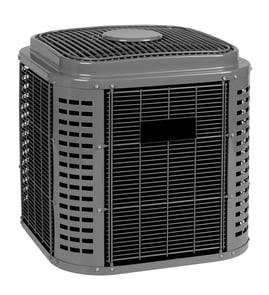
A central air conditioner’s total cost is usually the installed price (equipment plus labor), not just the outdoor unit. For an Icp central air conditioner like model CA5536VKC1, most homeowners pay $5,000 to $12,000 installed; ductwork or efficiency upgrades push the total higher.
Most quotes bundle the outdoor condenser with the indoor coil and the work needed to make the system run correctly:
- Outdoor condenser and matched indoor coil (or air handler pairing)
- Refrigerant recovery, evacuation, recharge, and startup testing
- Electrical disconnect, whip, and minor wiring updates (as needed)
- Pad, fasteners, vibration isolation, and weatherproofing
- Line set reuse or replacement (when required)
- Permits and inspection (where required)
Use these ranges to sanity-check bids for a split-system central AC replacement.
| Scenario | Typical installed cost | What usually changes the price |
|---|---|---|
| Like-for-like replacement (ducts OK) | $5,000 to $8,500 | Straightforward swap, minimal extras |
| Higher-efficiency upgrade | $7,500 to $12,000 | Airflow, electrical, or thermostat changes |
| Replacement plus duct repairs/modifications | $9,000 to $15,000+ | Ductwork and access drive labor |
These factors explain why two estimates can differ by thousands:
- System size (tons) and the required matched indoor coil
- SEER2 efficiency level and any airflow upgrades needed
- Duct condition (leaks, undersized returns, damaged runs)
- Electrical work (disconnect, breaker, service capacity)
- Refrigerant line set condition and length (contamination, sizing)
- Installation difficulty (attic access, long line runs)
Correct sizing, airflow, and refrigerant charging protect comfort and efficiency. Skipping evacuation, charge verification, or airflow checks often leads to higher energy use and premature compressor problems.
If you’re pricing replacement because the CA5536VKC1 is not starting or the outdoor fan is failing, a repair can cost far less than a full system. Common repair-related parts for this model include the fan blade 1085958.
Last updated: February 2026
What are signs of a failing AC outdoor unit?
A failing outdoor unit (condenser) on your Icp central air conditioner model CA5536VKC1 usually shows up as weak cooling, abnormal noises, or the unit not starting consistently. Many issues trace to airflow or electrical components such as the run capacitor, condenser fan motor, or fan blade.
- Warm or weak air indoors even with the thermostat set to COOL
- Outdoor fan not spinning, spinning slowly, or starting only sometimes
- Buzzing, clicking, or chattering from the outdoor unit
- Frequent cycling (short run times, then shutting off)
- Tripped breaker or blown disconnect fuses
- Ice on the refrigerant line or outdoor coil
Turn power off at the disconnect before inspecting anything.
- Confirm thermostat is set to COOL and the set temperature is below room temperature
- Replace or verify the indoor air filter is clean (restricted airflow can mimic outdoor-unit failure)
- Clear leaves and debris; keep at least 24 inches of clearance around the unit
- Listen for a steady hum with no fan movement (often points to a capacitor, motor, or fan issue)
- If the breaker trips repeatedly, stop resetting it and have the system diagnosed
| Symptom | Common cause | Example part for CA5536VKC1 |
|---|---|---|
| Fan hums but will not spin | Weak run capacitor or failing fan motor | Cap rnrd TRCFD505 or mtr cnd 1052662 |
| Loud rattling, wobble, or scraping | Bent or damaged fan blade | Fan blade 1085958 |
Catching these signs early prevents secondary damage. For example, a weak run capacitor can overwork the condenser fan motor, and poor outdoor airflow increases energy use while reducing cooling.
Last updated: February 2026
What is the average lifespan of a central air conditioning unit?
Most central air conditioning units last 15 to 20 years with proper installation, correct refrigerant charge, and routine maintenance. For your Icp CA5536VKC1 central air conditioner, lifespan depends most on coil cleanliness, airflow (filter and duct condition), and how hard the system runs each season.
| Unit condition and maintenance | Typical lifespan | What usually ends it |
|---|---|---|
| Regular maintenance, clean coils, good airflow | 15 to 20 years | Compressor wear, coil corrosion |
| Infrequent maintenance, dirty coils, restricted airflow | 10 to 15 years | Overheating, high pressure, electrical failures |
| Harsh coastal/industrial environment | 8 to 15 years | Accelerated coil corrosion |
- Cooling takes longer or the home never reaches set temperature
- Outdoor unit runs constantly or short-cycles (rapid on/off)
- Rising electric bills without a usage change
- Repeated service calls for electrical or refrigerant-related issues
- Loud buzzing or chattering at startup (often contactor-related)
- Replace or clean the indoor air filter on schedule to protect airflow
- Keep the outdoor condenser coil clean and the cabinet clear of debris
- Confirm the condenser fan runs smoothly and moves strong airflow
- Tighten and inspect electrical connections during seasonal service
- Test start/run components (capacitor and contactor) if hard-starting occurs; see how to use a multimeter to test electrical parts video
A central air conditioner that is maintained well typically reaches the 15 to 20 year range because the compressor and electrical controls avoid heat stress and high-pressure operation. Simple upkeep also reduces failures in common wear parts like the contactor and run capacitor.
Last updated: February 2026