Owner’s manual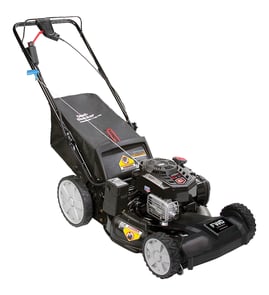


What is the average lifespan of a lawn mower?
For the MTD 11A-414C000 gas walk-behind mower, the operator’s manual lists an Average Useful Life of 7 years or 140 hours of operation. With consistent maintenance (oil, air filter, blade care, and deck cleaning), many walk-behind mowers deliver reliable service through that window and beyond; plan for annual inspections as the mower ages. See the 11A-414C000 operator’s manual.
What “average useful life” means
The manual’s useful-life figure is a practical planning number tied to time and run hours, not a hard stop date.
- 7 years assumes typical homeowner use and storage
- 140 hours is a better measure if you mow frequently or have a large yard
- As you approach the useful-life range, wear items (blade adapter, wheels, cables) commonly need attention
- The manual recommends annual inspection by an authorized service dealer at end of useful life
Maintenance that most affects lifespan
These habits have the biggest impact on engine life, cutting performance, and safety.
- Keep engine oil at the proper level and change it on schedule (per engine manual)
- Service the air cleaner about every 25 hours under normal conditions
- Keep fasteners tight and check adjustments at least once each season
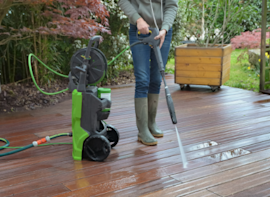
- Clean the underside of the deck by scraping; avoid spraying with a hose or pressure washer
- Lubricate wheel and control pivot points at least once a season
Quick planning guide (years vs. hours)
| If you mow about… | Hours per season (typical) | 140 hours equals about… |
|---|---|---|
| Small yard | 10 to 15 | 9 to 14 seasons |
| Medium yard | 15 to 25 | 6 to 9 seasons |
| Large yard | 25 to 40 | 3 to 6 seasons |
Why it matters
Knowing the 7-year or 140-hour benchmark helps us time preventive maintenance and parts replacement before problems show up, especially for safety-related items like control cables and blade-control components.
Last updated: January 2026
What is the most dependable lawn mower brand?
No single lawn mower brand is “most dependable” for everyone; dependability comes from matching the mower to your yard and keeping it maintained. For an MTD walk-behind mower like model 11A-414C000, consistent seasonal maintenance and correct operation (per the 11A-414C000 operator’s manual) are what most reliably prevent no-starts, vibration, and premature wear.
How we recommend choosing a dependable brand
A “dependable” mower is one that has strong parts support, fits your mowing conditions, and is easy to maintain.
- Pick a brand with easy-to-find wear parts (blade, wheels, cables, fasteners)
- Choose the right deck size and cutting options (bagging vs mulching)
- Favor simple, proven designs if you want fewer adjustments
- Plan for routine tune-ups (fresh fuel, clean air filter, good spark plug)
- Avoid overloading the mower in tall, wet grass (reduces stalling and belt/drive strain)
What matters more than the logo: maintenance and safe operation
The MTD manual emphasizes routine checks and seasonal adjustments, plus safety steps like stopping the engine and disconnecting the spark plug wire before maintenance. Those habits directly impact reliability.
Reliability checklist (works for most gas walk-behind mowers)
- Use clean, fresh gasoline; stale fuel is a top cause of hard starting
- Keep fasteners tight; vibration is a warning sign that something is loose or damaged
- Inspect the blade regularly; replace if bent or badly nicked
- Lubricate pivot points and wheels at least once per season with light oil
- Store the mower dry; coat moving parts lightly to reduce rust during storage
Quick comparison: what “dependable” usually means by brand type
| Brand type | Typical strengths | Typical tradeoffs |
|---|---|---|
| Long-established gas mower brands | Broad parts availability, proven designs | More routine maintenance (fuel, oil, tune-ups) |
| Battery mower brands | Easy starting, low routine maintenance | Battery cost and runtime limits |
| Value brands | Lower upfront cost | May need more frequent wear-part replacement |
Why it matters
Most “unreliable mower” complaints trace back to fuel quality, blade condition, loose hardware, or skipped seasonal maintenance. When you keep up with those basics, an MTD mower like the 11A-414C000 can be very dependable year after year.
Last updated: January 2026
What kind of gas do I put in my lawn mower?
For the MTD 11A-414C000 gas walk-behind mower, we recommend filling the tank with clean, fresh regular unleaded gasoline. Most walk-behind mower engines run best on 87-octane (or higher) unleaded; avoid old fuel because stale gas is a common reason an engine will not start.
Fuel type and what to avoid
Use this quick checklist before you pour:
- Use fresh regular unleaded gasoline (most commonly 87 octane)
- If you use ethanol fuel, E10 (up to 10% ethanol) is the typical limit for small engines
- Avoid stale fuel (gas older than about 30 days without stabilizer)
- Avoid E15/E85 fuels (higher ethanol blends can cause hard starting and fuel system issues)
- Do not mix oil into the gas unless your engine is specifically a 2-cycle design (most walk-behind mowers are 4-cycle)
For any engine-specific fuel requirements (including ethanol limits), follow the engine section in the 11A-414C000 operator’s manual.
If the mower will not start after refueling
The manual’s troubleshooting points to fuel quality as a top cause. After adding fresh gas, check these common items:
- Make sure the blade control is engaged while starting
- Confirm the spark plug boot is connected
- Prime correctly if your mower has a primer (typically 3 pushes for normal starts, more for first start)
- Replace the spark plug if it is fouled
- If you smell gas or the plug is wet, the engine may be flooded; wait a few minutes and try again
| Symptom | Most likely fuel-related cause | What to do |
|---|---|---|
| Starts then dies | Stale gas or water in fuel | Drain and refill with fresh gasoline |
| Won’t start at all | Empty tank or stale fuel | Fill with clean, fresh gasoline |
| Runs rough | Old fuel, dirty air filter | Refresh fuel; service air filter |
Why it matters
Fresh, correct gasoline helps prevent hard starting, surging, and carburetor varnish. The manual specifically calls out an empty tank or stale fuel as a leading cause of a no-start condition, so fuel quality is the first thing we address.
Last updated: January 2026