 Owner’s manual
 Error Codes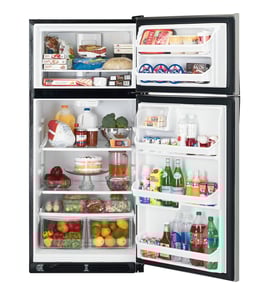



What are the main 5 parts of a refrigerator?
The main 5 parts that do the cooling work in a Criterion CTMR208WD1W top-mount refrigerator are the compressor, condenser, expansion device, evaporator, and temperature sensing/control (often a thermistor). These parts move heat out of the cabinet so food stays cold.
The “core 5” and what each one does
- Compressor: pumps refrigerant through the sealed system.
- Condenser (coil): releases heat to the room as refrigerant condenses.
- Expansion device (capillary tube or valve): drops pressure so refrigerant can get cold.
- Evaporator (coil): absorbs heat inside the freezer/refrigerator.
- Thermistor or thermostat/control: senses temperature and tells the system when to run.
For a diagram and model-specific component locations, use the CTMR208WD1W manual.
Other important parts you will hear about (not always in the “top 5”)
These support cooling performance and are common service items:
- Evaporator fan motor (moves cold air through the freezer and into the fresh-food section)
- Condenser fan motor (moves air across the condenser on many designs)
- Defrost heater and defrost thermostat (prevents frost from blocking airflow)
- Door gasket (keeps warm, humid air out)
- Drain system (defrost drain and drain pan to manage meltwater)
Quick reference table
| Part | Where it works | Common symptom if it fails |
|---|---|---|
| Compressor | Back/bottom | Not cooling, clicking, or runs but no cooling |
| Condenser | Back/bottom | Warm cabinet, long run times |
| Expansion device | Sealed system | Poor cooling, uneven temps |
| Evaporator | Freezer area | Freezer warms, frost pattern issues |
| Thermistor/control | Cabinet/freezer | Temps too warm or too cold, short cycling |
Why it matters
Knowing the “core 5” helps you troubleshoot faster. For example, if the freezer is cold but the fridge is warm, airflow parts (evaporator fan, damper, frost buildup) are often more likely than the compressor.
If you want a deeper breakdown, we recommend what are the main parts of a refrigerator.
Last updated: January 2026
What is a top mount freezer?
A top mount freezer is a refrigerator layout where the freezer compartment is on top and the fresh-food (refrigerator) compartment is below. Your Criterion CTMR208WD1W is a top-mount refrigerator, so you access frozen foods from the upper door and refrigerated items from the lower door.
How a top-mount layout works on the CTMR208WD1W
In a top-mount design, cold air is produced in the freezer area and then circulated to help cool the refrigerator section. This layout is common because it is simple, space-efficient, and typically easy to organize.
- Freezer is at eye level for many users
- Refrigerator section is larger and sits below
- Often uses adjustable shelves and door bins for flexible storage
- Works well in standard kitchen cutouts and apartments
For model-specific features and compartment names, we recommend checking the CTMR208WD1W user manual.
Top mount vs. other refrigerator styles
Here is a quick comparison of common configurations:
| Style | Freezer location | Typical benefit | Typical tradeoff |
|---|---|---|---|
| Top mount (top freezer) | Top | Classic layout, usually good value | Fresh-food section is lower |
| Bottom mount (bottom freezer) | Bottom | Fresh foods at eye level | Freezer access requires bending |
| Side-by-side | Left side | Narrow door swing, easy access to both | Narrow shelves for wide items |
Why it matters
Knowing the configuration helps when you are planning kitchen space, organizing food zones, and troubleshooting cooling symptoms (for example, freezer cold but refrigerator warm can point to airflow issues between compartments).
- Organize frequently used frozen items in the upper bins/shelves
- Keep vents clear so air can circulate between sections
- Use recommended temperature settings for food safety
If you are troubleshooting cooling or airflow concerns, our refrigerator common questions guide can help you narrow down the cause.
Last updated: January 2026
What is the most expensive part to replace on a refrigerator?
On the Criterion CTMR208WD1W top-mount refrigerator, the most expensive repair is typically the sealed system, especially the compressor. Compressor and sealed-system work usually costs the most because it involves specialized tools, refrigerant handling, and more labor than most electrical or mechanical part replacements.
What usually costs the most (and why)
Sealed-system repairs tend to top the list because they are labor-intensive and require a trained technician.
- Compressor: the “heart” of the cooling system; replacement often includes sealed-system labor
- Refrigerant leak repair: finding and repairing leaks can take significant time
- Evaporator or condenser (sealed-system components): may require brazing and recharging refrigerant
- Electronic control board (if equipped): can be pricey, but usually less than sealed-system work
- Ice maker water valve or ice maker kit: can add cost, but is typically not the most expensive category
For model-specific safety and service notes, follow the guidance in the CTMR208WD1W manual.
Quick cost-impact comparison (typical)
| Repair area | Typical cost impact | DIY-friendly? |
|---|---|---|
| Sealed system (compressor, leaks) | Highest | No |
| Control/electronics | Medium to high | Sometimes |
| Fans, thermostats, sensors | Medium | Often |
| Door gasket, shelves, bins | Low to medium | Yes |
When a compressor repair is more likely
These symptoms often point toward sealed-system or compressor-related issues:
- Refrigerator and freezer both warm, but lights work
- Compressor is very hot and unit is not cooling
- Clicking or buzzing near the compressor area with no cooling
- Runs constantly with little or no temperature drop
- Frost pattern issues on the evaporator (technician diagnosis)
A good next step is to review troubleshooting compressor problems in refrigerators video to understand common failure signs before scheduling service.
Why it matters
Knowing the highest-cost repair helps you decide whether to repair or replace. Sealed-system work can approach the value of the refrigerator, while many other fixes (like a fan motor or door gasket) are usually far more cost-effective.
Last updated: January 2026
What is the upper part of a fridge called?
On the Criterion CTMR208WD1W top-mount refrigerator, the upper compartment is the freezer compartment (often just called the freezer). It’s the section designed to keep food frozen and, on some setups, it’s also where an optional ice maker mounts.
What you’ll typically find in the upper (freezer) section
The CTMR208WD1W freezer area commonly includes components like these (exact layout can vary by configuration):
- Freezer door bin(s)
- Wire shelf or shelves
- Ice tray
- Optional ice maker location and ice bucket space
- Temperature control airflow outlets (to help cool the fresh food section)
For diagrams and naming used by the manufacturer, we reference the CTMR208WD1W user manual.
Freezer vs. refrigerator: quick comparison
| Compartment | Typical temperature | Main purpose |
|---|---|---|
| Freezer (upper section on this model) | Around 0°F (-18°C) | Long-term frozen storage, ice production |
| Fresh food (lower section) | Around 37°F (3°C) | Everyday refrigerated foods |
Why it matters
Knowing the correct compartment name helps when you’re troubleshooting symptoms (like frost buildup, warm temperatures, or ice maker issues) and when you’re matching the right replacement parts or accessories for your CTMR208WD1W.
Related DIY help
If your question is part of learning the layout and components, we also use the guide what are the main parts of a refrigerator as a quick reference for common terminology.
Last updated: January 2026
What part of the refrigerator is responsible for cooling?
In your Criterion CTMR208WD1W top-mount refrigerator, the evaporator coil is the component that directly makes the refrigerator and freezer compartments cold. Refrigerant boils inside the evaporator, absorbing heat from the air; the compressor and condenser then move that heat out of the cabinet.
How the cooling system works (quick breakdown)
The CTMR208WD1W uses a sealed refrigeration system that circulates refrigerant through key components:
- Evaporator coil: absorbs heat inside the freezer area (this is where “cooling” happens)
- Evaporator fan: moves cold air across the evaporator and into the fresh food section
- Compressor: pumps refrigerant through the system and raises its pressure
- Condenser coil: releases heat to the room air
- Defrost system: prevents the evaporator from icing over and blocking airflow
For diagrams and component locations used on this model family, see the CTMR208WD1W manual.
What you’ll notice when each part has a problem
These symptoms help narrow down whether the evaporator is cooling but airflow or heat removal is failing.
| If you see this symptom | Most likely area to check | Why it fits |
|---|---|---|
| Freezer cold, fridge warm | Airflow (evaporator fan, air damper, frost blockage) | Cold is being made but not moved |
| Both sections warm, compressor running | Sealed system or airflow issue | Cooling capacity is low or heat is not being removed |
| Heavy frost on freezer back wall | Defrost system | Ice blocks air from reaching the fridge |
| Clicking, then no running | Start device or compressor circuit | Compressor cannot start reliably |
Why it matters
The evaporator is the “cold-making” surface, but your CTMR208WD1W depends on airflow and heat rejection to keep stable temperatures. Many “not cooling” complaints are actually fan, frost, or condenser airflow issues rather than the evaporator itself.
Helpful DIY reading
- How does a refrigerator work? a simple breakdown of a cool process
- Refrigerator not cooling at all
- Diagnosing refrigerator evaporator fan problems video
Last updated: January 2026





