
How much will a 3 ton AC unit cost?
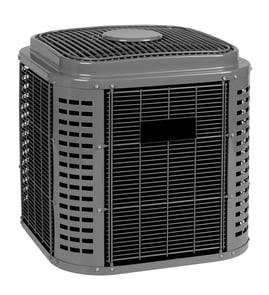
A new 3-ton central AC system typically costs $3,000 to $15,000 installed. For a Nordyne central air conditioner like model S3QA030KA, your final price depends most on efficiency (SEER2 rating), whether you replace the indoor coil, and how much electrical or ductwork work is needed.
What drives the price most
- Equipment efficiency (SEER2): higher efficiency usually costs more up front.
- Indoor coil and refrigerant compatibility: replacing the outdoor unit often means matching the indoor coil.
- Installation complexity: pad, line set, disconnect, whip, and condensate routing.
- Ductwork condition: leaks, undersized returns, or airflow restrictions add labor.
- Permits and code upgrades: varies by area and can add meaningful cost.
Typical cost breakdown (installed)
| Cost item | Common range | Notes |
|---|---|---|
| Outdoor condenser (3-ton) | $1,500 to $5,000 | Varies by brand and SEER2 |
| Indoor coil (if replaced) | $800 to $2,500 | Often recommended for match and reliability |
| Labor, materials, startup | $1,000 to $6,000 | Line set work, electrical, refrigerant, commissioning |
| Duct or electrical upgrades (if needed) | $0 to $3,000+ | Depends on existing system condition |
How to estimate your project quickly
- If your current system is a straightforward swap with no duct or electrical changes, expect the lower to mid part of the range.
- If you need a new indoor coil, line set work, or code upgrades, expect the mid to upper part of the range.
- If you are changing system type or fixing major airflow issues, costs can reach the top end.
Why it matters
A 3-ton system is sized for a specific cooling load and airflow. Paying for proper matching, airflow setup, and commissioning helps prevent short cycling, poor humidity control, and premature compressor or capacitor failures.
For help identifying the exact model and matching parts before you buy, use how to find your appliance model number (and what it means for parts).
Last updated: February 2026
How much do AC spare parts usually cost?
AC spare parts for a Nordyne central air conditioner like model S3QA030KA range widely: small electrical items can be under $10, common replacement parts often land around $100 to $700, and major sealed-system components (like a compressor or coil) can run $1,000 to $3,000+ before labor.
Typical part cost ranges (parts only)
- Fuses, wire terminals, small hardware: $5 to $25
- Capacitor (run/start): $15 to $80
- Contactor/relay: $20 to $120
- Pressure switch/sensor: $30 to $200
- Fan motor (condenser): $150 to $600
- Control board: $150 to $700
- Compressor or coil: $1,000 to $3,000+
What changes the price the most
- Part type and size: A 2.5-ton class outdoor unit (like many “030” models) typically uses larger components than smaller systems.
- OEM vs. substitute parts: Exact-fit parts usually cost more but reduce fitment risk.
- Labor and refrigerant work: Sealed-system repairs add specialized labor and materials.
- Age and condition: If multiple parts are failing, total repair cost climbs quickly.
Quick “repair vs. replace” cost check
Use this simple comparison to decide what to do next.
| Repair situation | Typical parts cost | Typical next step |
|---|---|---|
| Electrical no-start (capacitor/contactor) | $15 to $120 | Repair is usually cost-effective |
| Airflow issue (fan motor) | $150 to $600 | Repair often makes sense |
| Intermittent cooling (control board) | $150 to $700 | Repair if the rest of the system is solid |
| Compressor/coil failure | $1,000 to $3,000+ | Compare total repair cost to replacement |
Why it matters
Central AC repairs can look inexpensive until labor is added. Knowing whether you are dealing with a low-cost electrical part (capacitor, contactor, fuse) versus a high-cost sealed-system component helps you set expectations and choose the smartest fix.
For safe troubleshooting before buying parts, use our guide: how to use a multimeter to test electrical parts video.
Last updated: February 2026
How long do central air conditioners last?
Most central air conditioners last 15 to 20 years with normal use and consistent maintenance. For a Nordyne S3QA030KA central air conditioner, lifespan depends most on coil cleanliness, airflow, electrical health (capacitor/contactor), and how hard the system runs each season.
Typical lifespan ranges (what we see most often)
- 15 to 20 years: Well-maintained systems with correct airflow and clean coils
- 10 to 15 years: Systems with irregular maintenance or harsh operating conditions
- 20+ years: Possible, but efficiency and repair frequency usually become the deciding factors
What shortens (or extends) the life of a central AC
- Dirty condenser coil or restricted outdoor airflow
- Clogged indoor filter or blocked return vents (low airflow can stress the compressor)
- Low refrigerant from a leak (long run times and poor cooling)
- Worn electrical parts (capacitor, contactor, wiring connections)
- Oversized or undersized equipment causing frequent cycling or long run times
Quick “replace vs. repair” checklist
Use this as a practical guide when your S3QA030KA starts acting up.
| If you’re seeing this… | It usually points to… | Typical next step |
|---|---|---|
| Frequent breakdowns in one season | Multiple aging components | Compare repair total vs. replacement value |
| Rising electric bills with same usage | Loss of efficiency, dirty coils, airflow issues | Maintenance and performance check |
| Poor cooling on hot days | Airflow restriction, coil issues, refrigerant problem | Diagnose airflow first, then sealed system |
| Loud start-up or buzzing | Electrical wear (capacitor/contactor) | Electrical inspection and part replacement |
Why it matters
A central air conditioner can still “run” past its prime, but older systems often cost more to operate and can need more frequent repairs. Planning around the 15 to 20 year window helps you avoid emergency downtime during peak heat.
For safe DIY basics around electrical checks, we recommend reviewing how to use a multimeter to test electrical parts video.
Last updated: February 2026
What AC parts are most commonly replaced?
For the Nordyne S3QA030KA central air conditioner, the most commonly replaced parts are the electrical start/run components and airflow components (capacitors, contactors, fan motors), plus heat-transfer and refrigerant-system items (coils, refrigerant-related repairs). These parts wear from heat, vibration, and seasonal run time.
Most common replacement parts (and what they do)
- Run capacitor / start capacitor: helps the compressor and fan motor start and run.
- Contactor (relay): switches high voltage to the outdoor unit when the thermostat calls for cooling.
- Condenser fan motor: moves air through the outdoor coil to remove heat.
- Indoor blower motor (air handler/furnace side): pushes cooled air through ductwork.
- Evaporator coil (indoor coil): absorbs heat from indoor air; leaks reduce cooling.
- Condenser coil (outdoor coil): rejects heat outdoors; damage or severe corrosion hurts performance.
- Refrigerant-related service items: leak repair, Schrader cores, and recharging after fixing the leak.
Quick symptom-to-part checklist
| Symptom | Common culprits | What we check first |
|---|---|---|
| Outdoor unit hums but will not start | Capacitor, contactor | Capacitor bulge/leak; contactor pull-in |
| Breaker trips on startup | Capacitor, compressor, wiring | Capacitor test; compressor amp draw |
| Runs but not cooling well | Dirty coil, low refrigerant, airflow issue | Filter/airflow; coil condition; refrigerant leak signs |
| Outdoor fan not spinning | Fan motor, capacitor | Spin test (power off); capacitor test |
Why these parts fail so often
- Heat and sun exposure in the outdoor unit accelerates electrical wear.
- Frequent starts/stops stress capacitors and contactors.
- Dirt and restricted airflow raise operating temperatures and pressures.
- Vibration loosens connections and shortens motor life.
Smart next steps before ordering parts
- Shut off power at the disconnect and breaker before inspecting.
- Look for obvious issues: burnt wires, swollen capacitor, pitted contactor contacts.
- If you have a meter, test safely using guidance like how to use a multimeter to test electrical parts video.
- Match replacements by model number S3QA030KA and the part’s ratings (microfarads for capacitors, coil voltage for contactors, motor HP/RPM).
Last updated: February 2026
What are common AC part failures?
Common failures on the Nordyne S3QA030KA central air conditioner usually involve the run capacitor, contactor, condenser fan motor, compressor start components, and electrical protection (fuses or breakers). Many “no cool” or “won’t start” complaints trace back to airflow restrictions, weak electrical parts, or a refrigerant leak.
Most common parts and what you’ll notice
- Run capacitor: outdoor unit hums, fan struggles to start, intermittent starts
- Contactor/relay: outdoor unit will not run even though thermostat calls for cooling
- Condenser fan motor: outdoor fan not spinning, unit overheats and shuts down
- Compressor/start components: loud buzzing, hard starts, trips breaker
- Air filter/airflow issues (system-side): icing on lines or coil, weak airflow, poor cooling
- Electrical issues (wiring, connections): burning smell, melted insulation, random shutdowns
Quick checks we recommend (safe, homeowner-level)
- Confirm thermostat settings: set to Cool and lower the setpoint 3 to 5 degrees.
- Check the indoor air filter: replace if dirty; restricted airflow can cause icing and poor cooling.
- Inspect the outdoor unit: clear leaves and debris; keep at least 18 to 24 inches of clearance.
- Look for obvious electrical symptoms: repeated breaker trips, buzzing at the outdoor unit, or visible damage.
Symptom-to-likely-cause guide
| Symptom | Likely area | Typical next step |
|---|---|---|
| Outdoor unit won’t start | Contactor, capacitor, power supply | Verify power, then test electrical parts |
| Fan runs but no cooling | Compressor, refrigerant, airflow | Check airflow first; then diagnose sealed system |
| Icing on lines/coil | Airflow restriction or low refrigerant | Replace filter, check vents; then check for leaks |
| Breaker trips | Compressor, fan motor, capacitor, wiring | Stop resets; diagnose before further operation |
Why it matters
Catching a weak capacitor, failing fan motor, or airflow restriction early helps prevent overheating and compressor damage, which is the most expensive failure on a central air conditioner.
For electrical testing and tracing, we use guides like how to use a multimeter to test electrical parts video and how to tell if a fuse is blown.
Last updated: February 2026