Installation guide
 Owner’s manual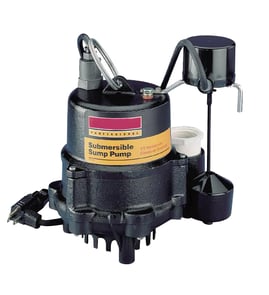

What is the most common problem of a water pump?
The most common problem we see with a water pump is leaking, usually caused by a worn seal, gasket, or fitting. On a Craftsman 390252283 pump, leaks often show up along the casing, at threaded connections, or around the jet and suction piping after installation or priming.
Most common symptoms to watch for
- Water dripping or spraying from the pump body, fittings, or piping joints
- Loss of prime (pump runs but stops moving water)
- Reduced flow or pressure at the discharge
- Air in the line (spitting at faucets or surging flow)
- Unusual noise (often tied to air ingestion or internal wear)
Quick checks that solve many “pump problems”
- Confirm the pump is not running dry. Running dry can quickly damage seals and internal components.
- Inspect and retighten threaded joints (use pipe compound sparingly on male threads only, where applicable).
- Check for air leaks on the suction side (even a small suction leak can cause loss of prime and poor performance).
- Verify jet setup and well depth match. The installation instructions note that changing the nozzle and venturi can improve performance for different well depths.
- Check the foot valve for leakage by filling the pipes with water; the pipes should remain full.
Common causes and what they typically look like
| Cause | What you notice | Typical fix |
|---|---|---|
| Seal or gasket wear | Steady leak at pump/casing area | Replace sealing components; reassemble correctly |
| Suction-side air leak | Loss of prime, surging, bubbles | Reseal fittings; tighten clamps; inspect suction pipe |
| Foot valve leaking | Prime won’t hold after shutdown | Repair/replace foot valve |
| Jet/nozzle/venturi mismatch | Low capacity, weak pressure | Configure jet per the installation guide |
Why it matters
A small leak or suction-side air leak can turn into repeated priming issues, reduced pump capacity, and premature wear. Following the jet and piping guidance in the installation guide helps the pump reach its intended performance and prevents avoidable seal damage.
Last updated: February 2026
Where is the part number on a water pump?
On a Craftsman water pump like model 390252283, the part number is typically printed on the pump’s identification label (nameplate) attached to the motor or pump housing. Look for a sticker or metal tag that lists the model number, product/part number, voltage, and a manufacture date code; confirm details in the owner's manual.
Where to look on the pump
Check these common nameplate locations first:
- On the motor body (side of the motor barrel)
- On the pump housing (near the inlet or outlet ports)
- Near the wiring cover or capacitor cover on the motor
- On the base/foot of the pump frame
- Under a removable shroud or cover (if equipped)
What information you should see on the label
Most pump labels include several identifiers. Here is what they usually mean:
| Label item | What it tells you | Why you need it |
|---|---|---|
| Model number | The pump’s model (for this page: 390252283) | Ensures diagrams and parts lists match |
| Product/part number (PN) | The specific product identifier | Helps match the correct replacement parts |
| Electrical rating | Voltage (often 115V or 230V) and sometimes amps | Prevents incorrect motor or switch replacement |
| Date code | Manufacture date or serial/date code | Helps confirm revisions and compatible parts |
If the label is missing or unreadable
Use these practical checks to identify the pump correctly:
- Compare the pump’s inlet/outlet port sizes and orientation to the diagrams in the installation guide
- Note whether it is set up as a shallow-well jet or deep-well jet (jet/nozzle/venturi configuration)
- Record motor specs from any remaining markings (HP, voltage, frame style)
- Take clear photos of the pump body, motor, and any stamped numbers before ordering parts
Why it matters
Using the correct part number prevents mismatched jet components, seals, and electrical parts. On jet pumps, the nozzle and venturi setup affects performance; the installation instructions describe how nozzle and venturi changes can be used to optimize pumping for different well depths.
Last updated: February 2026
What are the 7 major parts of a water pump?
A typical water pump (including jet-style pumps like the Craftsman 390252283) is built around seven core components: the motor, pump casing, impeller, shaft, bearings, seal, and the inlet and outlet flow path (often formed by a volute or diffuser). For model-specific diagrams and service details, use the owner's manual.
The 7 major parts and what they do
- Motor: provides the power to spin the pump.
- Pump casing (housing): encloses internal parts and directs water through the pump.
- Impeller: the rotating wheel that moves water and creates flow.
- Shaft: connects the motor to the impeller.
- Bearings: support the shaft so it spins smoothly and stays aligned.
- Seal (mechanical seal and/or O-rings): keeps water from leaking along the shaft or between housings.
- Flow passages (inlet and discharge; volute/diffuser depending on design): shapes and controls water movement to build pressure.
How this relates to a jet pump setup (common on well systems)
Many Craftsman well pumps use a jet/ejector assembly to help lift water. In that style of system, you will also commonly see these jet-specific components referenced:
- Nozzle and venturi: work together to create suction and improve lift.
- Ejector (jet) body: holds the nozzle and venturi.
- Check valve or foot valve: helps keep the suction line primed.
| Component name you may see | Where it fits | What it affects most |
|---|---|---|
| Impeller | Inside pump housing | Flow rate and pressure |
| Mechanical seal / O-rings | Shaft or housing joints | Leaks and air intrusion |
| Nozzle / venturi (jet) | Jet/ejector assembly | Suction, lift, and capacity |
Why it matters
Knowing the major parts helps you troubleshoot faster: leaks usually point to seals or O-rings; low pressure often points to the impeller, nozzle/venturi, or air leaks on the suction side; noisy operation often points to bearings or cavitation.
Last updated: February 2026
Is it worth fixing a water pump?
Yes, it’s usually worth fixing a Craftsman water pump like model 390252283 because restoring proper pumping and prime prevents repeated no-water events, air leaks, and motor strain. In most cases, replacing worn internal jet/ejector components, seals, or a damaged pump assembly is the most reliable long-term repair.
When repair makes sense (and when replacement is smarter)
Repair is typically the best choice when the pump body and motor are in good shape and the problem is limited to priming, suction, or jet performance.
- Repair/adjust when: loss of prime, reduced flow, minor air leaks, debris in the nozzle/venturi, or a worn jet setup
- Replace major components when: the pump won’t build pressure after correct priming, the casing is cracked, or internal parts are badly worn
- Do it now if: you see recurring priming issues or the pump cycles frequently (often a suction-side leak or foot valve issue)
Quick checks before you decide
These steps help you confirm whether you’re dealing with a setup/maintenance issue versus a failing pump.
- Verify the suction line and fittings are airtight (air leaks kill prime)
- Confirm the foot valve holds water; the suction pipe should stay full after filling
- Check for debris in the ejector (nozzle/venturi) and clean carefully
- Make sure O-rings and grooves are clean and seated correctly during reassembly
- Prime the pump correctly after any service
Jet and well-depth setup matters
This pump family uses jet/ejector components that may need to be matched to your well depth for best performance. The jet is often shipped assembled for deeper settings; changing the nozzle and venturi can improve capacity on shallower settings.
| Situation | What it usually means | Typical fix |
|---|---|---|
| Low flow but pump runs | Nozzle/venturi partially blocked or mismatched | Clean or change nozzle/venturi per chart |
| Loses prime overnight | Foot valve leak or suction-side air leak | Repair leak, replace foot valve |
| Won’t reach pressure | Air leak, incorrect jet, or worn internals | Seal suction, verify jet, inspect pump |
Why it matters
A water pump that can’t hold prime or can’t move water consistently wastes power, overheats from poor cooling flow, and can shorten the life of the motor and seals. Correct jet selection and careful reassembly (O-rings, clamp seating, and priming) are what make the repair last.
For model-specific setup steps, jet instructions, and priming guidance, use the installation guide and the owner's manual.
Last updated: February 2026
Is a 0.5 hp water pump enough for a home?
A 0.5 HP water pump is enough for light-duty home use (watering, a few fixtures, short runs), but it is often not enough for whole-home supply, especially with deeper wells, long horizontal piping, or multi-story pressure needs. For Craftsman model 390252283, size the pump to your pumping level, flow (GPM), and total dynamic head.
How we decide if 0.5 HP is enough
Horsepower matters, but these factors decide real performance:
- Pumping level and lift (head): deeper water levels need more head
- Flow demand (GPM): how many fixtures run at once (showers, laundry, irrigation)
- Pressure target: most homes run best around 40 to 60 PSI
- Pipe size and run length: long runs add friction loss
- Jet/nozzle setup (jet pumps): wrong nozzle and venturi reduces capacity
What matters for Craftsman 390252283 setups
The installation instructions for jet systems emphasize matching the nozzle and venturi to well depth and using correct piping practices to avoid restricting flow. Use the depth chart and setup steps in the installation guide.
Quick checks before you upsize
- Confirm your pumping level fits the jet depth range you are using
- Match nozzle and venturi to your well depth (per the chart)
- Avoid flow restrictions (wrong couplings, undersized piping)
- Seal suction piping to prevent air leaks and loss of prime
Typical rule-of-thumb sizing
| Home demand | Typical pressure | Typical pump size |
|---|---|---|
| Light use (1 to 2 fixtures) | 30 to 40 PSI | 0.5 to 0.75 HP |
| Average home (2 to 3 baths) | 40 to 60 PSI | 0.75 to 1 HP |
| Higher demand (multi-story, long runs) | 50 to 70 PSI | 1 HP and up |
Why it matters
An undersized pump struggles to maintain pressure and flow; an oversized pump can short-cycle if the pressure tank and controls are not matched.
For operating and safety basics (including avoiding dry-running), use the owner's manual.
Last updated: February 2026