 Owner’s manual
 Error Codes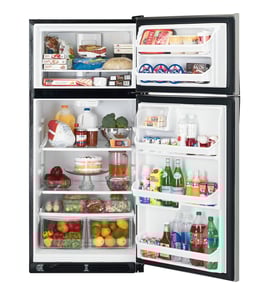



How tall is a Winia fridge?
A Winia refrigerator’s height depends on the exact model and style. For your Winia WTE18GBWCD top-mount refrigerator, the most accurate height is listed in the specifications section of the WTE18GBWCD owner's manual.
Typical height ranges (so you can plan cabinet space)
If you are comparing models, these are common height ranges by refrigerator type:
- Top-mount refrigerators: about 60 to 69 inches tall
- Bottom-freezer refrigerators: about 67 to 70 inches tall
- French door refrigerators: about 68 to 71 inches tall
- Counter-depth models: often similar height, but shallower depth
How to measure your refrigerator height correctly
Use a tape measure and check these points:
- Measure from the floor to the top of the cabinet (not the hinge cover unless your manual specifies it)
- If the unit has leveling legs, measure after leveling is set
- Confirm you have top clearance for airflow (commonly 1 inch or more)
- If it is under cabinets, measure to the lowest cabinet edge
Quick comparison table
| What you’re checking | What to measure | Why it matters |
|---|---|---|
| Overall height | Floor to top of cabinet | Fit under cabinets and in alcoves |
| Hinge/cover clearance | Floor to highest point | Prevents rubbing when sliding into place |
| Ventilation space | Gap above the fridge | Helps cooling performance and efficiency |
Why it matters
Correct height and clearance help the Winia WTE18GBWCD cool properly, keep doors aligned, and avoid cabinet interference that can lead to door seal gaps and temperature swings.
Last updated: February 2026
Can I replace fridge parts myself?
Yes. For your Winia WTE18GBWCD top-mount refrigerator, we can usually replace many non-sealed-system parts ourselves (like shelves, bins, light components, and some fans) using basic tools and the steps in the WTE18GBWCD owner's manual. For sealed-system or complex electrical repairs, use a qualified technician.
Good DIY repairs vs. repairs to leave to a pro
DIY-friendly (common homeowner repairs):
- Door gasket inspection and cleaning; minor reshaping with warm water
- Replacing shelves, door bins, and drawer components
- Replacing the interior light bulb or light cover (if accessible)
- Cleaning the condenser area and checking airflow clearances
- Basic ice maker or water line checks (if your unit is equipped)
Typically pro-level (higher risk or specialized tools):
- Sealed-system work (compressor, refrigerant lines, evaporator coil leaks)
- Control board diagnostics when symptoms are inconsistent
- Wiring repairs, burned connectors, or repeated breaker trips
Before you start (safe, fast checklist)
- Unplug the refrigerator or switch off the circuit breaker.
- Protect floors; use cardboard or a moving blanket when pulling the unit out.
- Take photos of wire connectors and screw locations as you disassemble.
- Keep screws sorted by step (cups or labeled bags work well).
- Restore power only after panels and covers are reinstalled.
Quick decision guide
| What you’re replacing | Tools you usually need | DIY difficulty |
|---|---|---|
| Shelf/bin/drawer parts | None to screwdriver | Easy |
| Evaporator fan cover access and checks | Screwdriver, nut driver | Medium |
| Door gasket | Screwdriver (some styles), warm water | Medium |
| Compressor or refrigerant-related parts | Specialized tools | Pro |
Why it matters
DIY replacement of common refrigerator parts can restore proper cooling, reduce energy use, and prevent food spoilage. Knowing when a repair crosses into sealed-system or advanced electrical work helps avoid repeat failures and safety issues.
Helpful DIY guidance
If your symptoms point to airflow problems (warm fridge, noisy freezer, weak cooling), use our step-by-step article: how to fix your evaporator cooling fan.
Last updated: February 2026
What are the main 5 parts of a refrigerator?
The five main parts that make a refrigerator cool (including your Winia WTE18GBWCD top-mount refrigerator) are the compressor, condenser, expansion device, evaporator, and a temperature control sensor (often a thermistor). Together, they move refrigerant and regulate temperatures to keep food safely cold.
The “core cooling system” (the main 5)
These are the components that make the refrigeration cycle work:
- Compressor: pumps refrigerant through the sealed system (the “engine” of cooling).
- Condenser: releases heat from the refrigerant to the room air (often via condenser coils).
- Expansion device (capillary tube or valve): drops refrigerant pressure so it can get cold.
- Evaporator: absorbs heat inside the freezer/refrigerator as refrigerant boils in the evaporator coil.
- Thermistor or thermostat: senses temperature so the control can cycle cooling on and off.
For diagrams and component locations specific to your model, use the WTE18GBWCD owner's manual.
Common “support” parts people also mean
Many customers ask for “main parts” and really mean the parts that commonly fail or affect performance:
- Evaporator fan motor (moves cold air through the compartments)
- Condenser fan motor (moves air across the condenser on many designs)
- Door gasket (prevents warm air leaks and frost buildup)
- Defrost system parts (heater, thermostat, control) to prevent ice blocking airflow
- Control board (on electronic models) that manages compressor and fans
Quick comparison: what each part does
| Part | Primary job | Typical symptom when it fails |
|---|---|---|
| Compressor | Circulates refrigerant | Warm fridge and freezer, may click on/off |
| Condenser | Dumps heat to room | Poor cooling, hot cabinet sides, long run times |
| Expansion device | Lowers pressure/temperature | Weak cooling, uneven temps |
| Evaporator | Absorbs heat inside | Warm temps, frost pattern issues |
| Thermistor/thermostat | Senses temperature | Temps too warm or too cold, short cycling |
Why it matters
Knowing the “main 5” helps you troubleshoot faster: if the sealed-system parts (compressor, condenser, evaporator, expansion device) are involved, cooling problems often show up as both compartments warming, while airflow or gasket issues can cause uneven temperatures and frost.
If you suspect an airflow issue, we recommend starting with how to fix your evaporator cooling fan.
Last updated: February 2026
What are the most commonly replaced parts in a refrigerator?
The most commonly replaced parts in a refrigerator like the Winia WTE18GBWCD are the door gasket (seal), evaporator fan motor, defrost components, temperature sensor (thermistor), and control parts. These items directly affect cooling performance, frost control, and energy use; check your WTE18GBWCD owner's manual for model-specific locations and access steps.
Common refrigerator parts that get replaced most often
- Door gasket (door seal): Stops warm air leaks that cause sweating, frost, and long run times.
- Evaporator fan motor: Circulates cold air from the freezer to the fresh food section.
- Defrost system parts: Defrost heater, defrost thermostat, and defrost timer or control board (depending on design).
- Thermistor or temperature control: Helps the refrigerator regulate temperature accurately.
- Ice maker and water system parts (if equipped): Water inlet valve, filter housing, dispenser parts.
- Shelves, bins, and drawers: Commonly crack or break from normal use.
Quick symptom-to-part guide
| Symptom | Most likely part area | What we check first |
|---|---|---|
| Frost buildup on freezer back wall | Defrost system | Door seal, then defrost heater/thermostat |
| Fridge warm but freezer cold | Airflow | Evaporator fan, blocked vents |
| Water under fridge or inside | Drainage | Defrost drain clog, drain pan position |
| Temps swing up and down | Sensing/control | Thermistor, temperature control settings |
Why it matters
Replacing the right part restores proper airflow and temperature control, which protects food, reduces compressor run time, and helps prevent repeat failures caused by icing, air leaks, or overheating.
Helpful DIY guidance
If your issue points to airflow or fan noise, we use the troubleshooting steps in how to fix your evaporator cooling fan to narrow it down before ordering parts.
Last updated: February 2026





