Owner’s manual
 Error Codes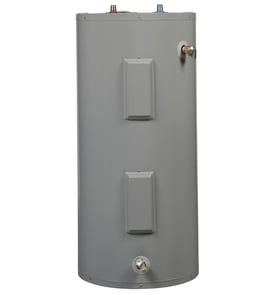



What brand of electric water heater is the most reliable?
For long-term reliability, we see the best results when you choose a proven brand with readily available replacement parts and straightforward service procedures. Since your model E2F50LD045V is an American electric water heater, reliability also depends heavily on maintenance (thermostat settings, sediment control, and timely element replacement); see the owner's manual.
What “most reliable” means for electric water heaters
Reliability usually comes down to a few practical factors more than the logo on the tank:
- Consistent hot water output without frequent thermostat or element failures
- Corrosion resistance (tank life) supported by routine maintenance
- Easy access to common service parts (elements, thermostats, drain valve)
- Clear diagnostics and troubleshooting guidance
- Proper installation to electrical and plumbing code requirements
Brand guidance (how to compare)
We recommend comparing brands using the same checklist you would use for any major appliance purchase.
| What to compare | What to look for | Why it matters |
|---|---|---|
| Parts availability | Elements, thermostats, valves stocked | Faster, cheaper repairs |
| Serviceability | Standard element and thermostat layout | Less labor, fewer surprises |
| Efficiency options | Standard electric vs. heat pump hybrid | Lower operating cost |
| Warranty terms | Tank and parts coverage length | Predictable ownership cost |
Keeping an American E2F50LD045V reliable
Most “unreliable water heater” complaints trace back to a few fixable issues.
- Keep thermostat settings reasonable to reduce overheating stress
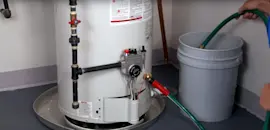
- Flush or drain sediment periodically to protect the heating elements
- Replace a failing element promptly to prevent repeated resets and slow recovery
- If temperatures swing, test and replace the thermostat(s) as needed
- Fix a leaking or clogged drain valve so maintenance is actually doable
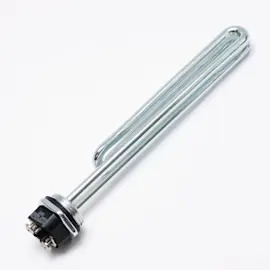
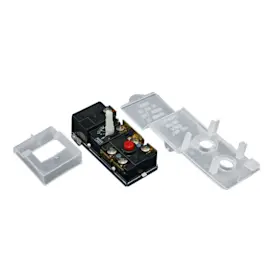
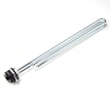
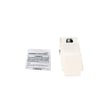
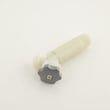
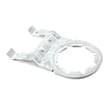
Common replacement parts for this model include the element 100108290, top t-stat 100108683, lwr t-stat 100108421, and drain valve 100109106.
Why it matters
A “reliable” brand still performs poorly if the water heater is installed incorrectly or run with heavy sediment buildup. Following the installation, operation, and maintenance guidance in the owner's manual helps protect the tank and reduces element and thermostat failures.
Last updated: February 2026
How to tell if an electric hot water heater is bad?
If your American E2F50LD045V electric water heater is “going bad,” you’ll usually see loss of hot water, unstable temperatures, leaks, or electrical safety trips. Many “bad heater” symptoms are actually failed service parts (heating element or thermostat) that can be tested and replaced using the owner's manual.
Common signs your water heater is failing
- No hot water or hot water runs out fast (slow recovery)
- Water temperature swings from hot to lukewarm
- Breaker trips or the high-temperature limit needs frequent resetting
- Rusty or discolored hot water at faucets
- Popping or rumbling sounds (sediment buildup)
- Water leaking around the tank, element area, or drain valve
Quick checks we recommend first (safe, high value)
Before you assume the tank is “bad,” check these common causes:
- Confirm power is on and the breaker is not tripped.
- If the heater sat unused for 2 weeks or more, run hot water at a kitchen faucet for several minutes before using electrical appliances on the hot water line (hydrogen gas safety).
- Look for wet insulation or corrosion behind the element access covers.
- Check for sediment signs (noise, reduced hot water volume).
What “bad” usually means: part failure vs. tank failure
| Symptom | Most common cause | Parts on this model that often fix it |
|---|---|---|
| No hot water | No power, high-limit open, upper thermostat issue | Top t-stat 100108683 |
| Not enough hot water | Lower element or thermostat issue, sediment | Element 100108290, lwr t-stat 100108421 |
| Leaking at drain area | Worn or damaged drain valve | Drain valve 100109106 |
Why it matters
Catching a failing thermostat, heating element, or drain valve early can restore hot water and prevent repeat breaker trips, overheating, or water damage. The manual also stresses disconnecting power before servicing and making sure the tank is completely filled before energizing elements.
Last updated: February 2026
What is the lifespan of a 50-gallon electric water heater?
A 50-gallon electric water heater typically lasts 8 to 12 years. With consistent maintenance on your American E2F50LD045V (especially flushing sediment and inspecting the anode rod), it commonly reaches the upper end of that range and can run longer in good water conditions.
Typical lifespan and what changes it
Most electric tank water heaters fail from tank corrosion or sediment-related overheating of components.
- Water quality: hard or corrosive water shortens tank life
- Sediment buildup: increases noise and can contribute to premature tank failure
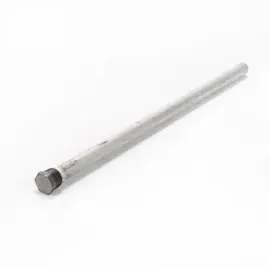
- Anode rod condition: a depleted anode accelerates tank corrosion
- Temperature setting: higher settings increase stress on parts
- Maintenance frequency: regular draining and flushing helps reduce sediment
Maintenance schedule we recommend for longer life
Your owner's manual calls out anode-rod inspection and explains why sediment matters.
- Every 3 years: remove and inspect the anode rod; replace if more than 50% depleted
- Periodically: drain and flush the tank to reduce sediment buildup
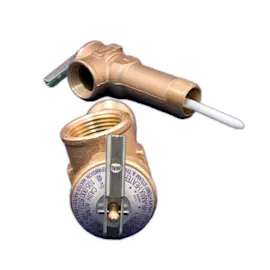
- Any time you see dripping at the T&P valve: have a licensed plumber repair it (do not plug or remove the valve)
- If you have a closed water system: use an expansion tank sized appropriately for stored water
Quick checklist
| Item | What to look for | What it helps prevent |
|---|---|---|
| Anode rod | heavily thinned or eaten away | tank corrosion and leaks |
| Tank flushing | rumbling, popping, reduced hot water | sediment damage and premature failure |
| Thermostat setting | scalding hot water or frequent cycling | overheating and extra wear |
Parts that commonly get replaced before the tank wears out
Replacing wear parts can restore performance, but it does not stop a tank that is already corroding.
- Heating element: element 100108290
- Upper thermostat: top t-stat 100108683
- Lower thermostat: lwr t-stat 100108421
- Drain valve (for leaking or clogged draining): drain valve 100109106
Why it matters
Once the tank starts leaking, replacement is the practical fix. Staying ahead of sediment and keeping the anode rod in good shape is the most effective way to get the full expected lifespan from a 50-gallon electric water heater.
Last updated: February 2026
What is the average cost of a 50-gallon electric water heater?
A typical 50-gallon electric water heater averages about $400 to $1,300 for the unit, with installed totals commonly $700 to $1,800+ once labor, permits (where required), and old-unit removal are included. For your American E2F50LD045V, the exact total depends on local installation requirements and any needed parts.
What changes the price most
- Type and efficiency: standard electric tanks cost less than high-efficiency or heat pump models
- Electrical work: new circuit, breaker, or wiring upgrades can add cost
- Plumbing updates: shutoff valves, piping changes, or a new expansion tank (for closed systems)
- Code and safety items: discharge piping for the temperature and pressure relief valve, strapping, drain pan, etc.
- Condition of the old heater: corrosion, seized fittings, or difficult access increases labor time
Typical cost ranges (unit vs. installed)
| What you’re paying for | Typical range | What’s usually included |
|---|---|---|
| Water heater unit only | $400 to $1,300 | Tank, factory-installed controls (varies by model) |
| Installation labor and materials | $300 to $900+ | Basic hookup parts, labor, disposal (varies) |
| Total installed | $700 to $1,800+ | Unit plus labor and common materials |
Parts that can affect your installed total
If your installer finds failed or leaking components during replacement, these common items can add to the bill:
- Heating element: element 100108290
- Upper thermostat: top t-stat 100108683
- Lower thermostat: lwr t-stat 100108421
- Drain valve (if leaking or clogged): drain valve 100109106
Why it matters
A “cheap” unit can become an expensive project if the installation needs electrical or plumbing updates. Reviewing the safety, piping, and electrical requirements in the owner's manual helps you plan for the real installed cost.
Last updated: February 2026
What is usually the most common water heater problem?
For the American E2F50LD045V electric water heater, the most common problem we see is sediment buildup in the tank, which causes popping or rumbling noises, reduces heating efficiency, and can shorten tank life. Heating issues from a failed thermostat or heating element are also very common.
What “most common” looks like in real symptoms
- Rumbling, popping, or crackling sounds during heat-up (often sediment on the tank bottom)
- Not enough hot water or no hot water (often an element or thermostat issue)
- Fluctuating water temperature during use
- Water odor (sometimes tied to anode rod condition and water chemistry)
- Water around the heater (from fittings, the drain valve, or eventually the tank)
Quick checks before replacing parts
- Listen for noise during heating: noise plus reduced hot water points to sediment; draining and flushing helps.
- Check temperature settings: many homeowners target about 120°F to balance comfort and scald risk.
- Look for obvious leaks: inspect connections and the drain valve area.
- Inspect maintenance history: anode rod inspection every 3 years helps prevent premature tank corrosion.
Common causes and the parts that usually fix them
| Symptom | Most likely cause | Parts commonly involved for E2F50LD045V |
|---|---|---|
| No hot water / low hot water | Failed heating element | Element 100108290 |
| Water too hot or inconsistent | Thermostat out of range or failed | Top t-stat 100108683, lwr t-stat 100108421 |
| Water on floor near drain | Drain valve leaking | Drain valve 100109106 |
Why it matters
Sediment buildup can make the heater work harder and can contribute to premature tank failure. The manual also recommends protecting the area from water damage (for example, using a properly sized drain pan piped to an adequate drain) because tanks can eventually leak after extended use; details are in the owner's manual.
Helpful DIY guidance
- For troubleshooting display or diagnostic issues, use American electric water heater error codes.
Last updated: February 2026