Owner’s manual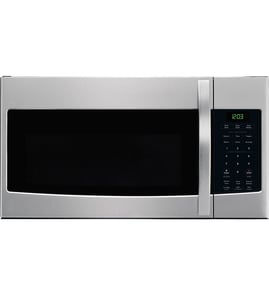


Does the whirlpool low profile microwave need to be vented outside?
The Whirlpool MH3184XPS4 microwave/hood combo does not have to be vented outside. Many installations vent the exhaust air back into the kitchen using the built-in hood fan and filters; outside venting is optional when your cabinet and duct setup supports it (follow the venting options in the MH3184XPS4 owner’s manual).
Venting options (what you can choose)
Most over-the-range and low-profile microwave/hood combos support more than one venting configuration:
- Recirculating (non-vented): air is filtered and returned to the room
- Outside venting: air is ducted outdoors (typically through the wall or roof)
- No venting is not recommended: the unit still needs airflow through its designed openings
How to decide which venting is right for your kitchen
Use this quick checklist before you commit to ductwork changes:
- If you already have a duct in the cabinet or wall, outside venting is usually the best match.
- If there is no duct path (or it is costly to add), recirculating is a common, acceptable setup.
- If you do a lot of high-heat cooking, outside venting removes heat and moisture more effectively.
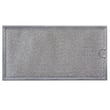
- If odors linger, start by cleaning or replacing the grease filter.
- Keep all intake and exhaust openings clear; blocking openings can cause overheating.
Filter and airflow basics
Your MH3184XPS4 is designed to run a vent fan, and it can even turn the fan on automatically if heat from the cooktop gets too high.
| Setup | Where the air goes | What matters most |
|---|---|---|
| Recirculating | Back into the kitchen | Clean grease filter and correct vent direction |
| Outside venting | Through duct to outdoors | Proper duct routing, damper operation, sealed joints |
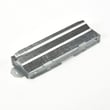
If your venting performance is poor (weak airflow, rattling, or backdraft), check the vent path and the damper. A sticking or damaged damper can reduce airflow; the microwave damper assembly W10843943 is the model-matched replacement part.
Why it matters
Correct venting helps control grease buildup, smoke, and heat around the microwave and cooktop. It also helps the vent fan do its job when the range below runs hot.
Last updated: February 2026
Is an 800 or 1000 watt microwave better?
A 1000-watt microwave is better for most homes because it heats faster and more evenly, especially for larger portions and dense foods. An 800-watt microwave can be a good fit for lighter use, but you will typically need longer cook times and more stirring.
What the wattage difference means in real use
Higher wattage mainly affects speed and consistency. With a 1000-watt unit, you usually get quicker reheats and fewer cold spots in foods like casseroles, soups, and frozen meals.
- 1000 watts: faster cooking, better browning on some packaged foods, more consistent reheating
- 800 watts: slower cooking, more time adjustments, more frequent stirring or rotating
- Both can cook the same foods; the difference is time and convenience
How to adjust cooking times (quick guide)
If a recipe is written for 1000 watts and you have 800 watts, increase time and check food temperature sooner rather than running one long cycle.
| If recipe assumes | Your microwave | Typical time change |
|---|---|---|
| 1000 watts | 800 watts | Add about 20% to 30% |
| 800 watts | 1000 watts | Reduce about 15% to 25% |
How this applies to Whirlpool MH3184XPS4
For Whirlpool MH3184XPS4, use the cooking power settings, presets, and general cooking guidelines in the MH3184XPS4 owner’s manual to match results to your food type and portion size.
Tips we use for better results at any wattage
- Use a microwave-safe cover to reduce splatter and improve heating
- Stir halfway through for soups, sauces, and leftovers
- Rearrange thicker pieces to the outside of the dish
- Let food stand 1 to 3 minutes after heating (carryover heat finishes the job)
- Use lower power for delicate foods (butter, chocolate, some dairy)
Why it matters
Wattage is the biggest driver of day-to-day performance. If you reheat often or cook frozen meals, 1000 watts saves time and reduces uneven heating; if you mostly warm drinks or small portions, 800 watts can be perfectly workable.
Last updated: February 2026
What is the average lifespan of a whirlpool microwave?
Most Whirlpool microwaves last 7 to 10 years with typical household use. For the Whirlpool MH3184XPS4 microwave/hood combo, lifespan depends most on ventilation, keeping the door/interlock system working smoothly, and avoiding overheating; follow the care and operating guidance in the MH3184XPS4 owner’s manual.
What affects microwave lifespan the most
- Heavy daily use (multiple long cook cycles per day) shortens life.
- Poor airflow (blocked vents or greasy filters) overheats internal components.
- Door slamming can wear door interlock switches and mounts.
- Power issues (frequent breaker trips or surges) stress the control and high-voltage circuit.
- Lack of cleaning lets grease build up around the hood intake and vent grille.
Signs your microwave is nearing end of life
- Runs but does not heat food consistently.
- Loud buzzing/humming that is new or getting worse.
- Intermittent operation when closing the door or pressing Start.
- Burning smell, repeated shutdowns, or the unit goes dead.
- Turntable stops turning (often a drive issue rather than the whole unit).
Repair vs. replace: a practical guide
| Symptom | Common area involved | Typical next step |
|---|---|---|
| No heat, but light and fan work | High-voltage circuit | Professional diagnosis; high-voltage parts can be hazardous |
| Dead display/no power | Fuse/thermal protection | Check thermal protection and wiring; service recommended |
| Starts only with door pressure | Door interlock system | Inspect/replace interlock switches |
| Hood venting weak | Filters/air path | Clean or replace grease filter |
Why it matters
A microwave/hood combo like the MH3184XPS4 relies on clear airflow to protect the magnetron and thermal safety devices. Keeping the vent path clean and the door closing properly helps you get the full 7 to 10 years (or more) from the appliance.
If your unit runs but will not heat, we recommend using our troubleshooting steps in why is my microwave not heating to narrow down the most likely causes before ordering parts.
Last updated: February 2026
What is the difference between 1.7 and 1.9 cu ft microwave?
A 1.9 cu. ft. microwave gives you about 0.2 cu. ft. more usable cavity space than a 1.7 cu. ft. model, so it fits wider or taller cookware more comfortably. For Whirlpool over-the-range units like MH3184XPS4, the bigger difference you notice day to day is interior room, not basic operation; check the MH3184XPS4 owner's manual for the exact cavity and feature details.
What changes in real use
- Bigger dishes fit easier: large dinner plates, taller bowls, and some casserole dishes are less likely to rub the walls or ceiling.
- More flexibility with racks: if your model uses a cooking rack, extra space helps airflow and placement.
- Fewer “rotate and retry” moments: you spend less time repositioning containers to clear the door or side walls.
- Similar cooking results: capacity does not automatically mean faster heating; wattage and sensor cooking matter more.
What usually stays the same (especially over-the-range)
Most over-the-range microwaves are designed to match common cabinet cutouts, so exterior size often changes very little between 1.7 and 1.9 cu. ft. versions.
- Mounting footprint is often similar
- Door swing and control layout are often similar
- Venting style (recirculating vs. ducted) depends on the specific model
Quick comparison
| Feature | 1.7 cu. ft. | 1.9 cu. ft. |
|---|---|---|
| Interior capacity | Smaller | Larger |
| Best for | Standard plates, smaller cookware | Larger plates, taller bowls, bigger casseroles |
| Exterior fit (OTR) | Often similar | Often similar |
| Performance | Depends on wattage, sensors, airflow | Depends on wattage, sensors, airflow |
Why it matters
Capacity is about convenience and fit. If you regularly heat large plates or use taller containers, 1.9 cu. ft. reduces crowding, improves placement on the turntable, and makes everyday reheating simpler.
Last updated: February 2026
What size microwave do I need for a family of four?
For a family of four, we recommend a microwave with about 1.2 to 1.6 cubic feet of capacity for everyday reheating and cooking. Your Whirlpool MH3184XPS4 is an over-the-range microwave/hood combo, so also confirm the cabinet cutout and venting requirements in the MH3184XPS4 owner's manual.
Quick sizing guide (capacity)
- 1 to 2 people: 0.7 to 1.2 cu ft
- 3 to 4 people: 1.2 to 1.6 cu ft
- 5+ people or frequent cooking: 1.6 to 2.2 cu ft
- If you use large dinner plates often, choose the larger end of the range
- If you cook taller items (bowls, covered casseroles), prioritize interior height and turntable diameter
What to check before you buy (especially for over-the-range models)
Over-the-range microwaves like the MH3184XPS4 must fit both your cooking needs and your space.
- Measure the opening width (many installations are 30 inches wide)
- Confirm mounting height above the range for comfortable use
- Match the venting setup (recirculating vs. outside vent)
- Verify electrical requirements (dedicated circuit is common)
- Make sure the door swing and control panel are easy to reach
Capacity vs. real-world use
| Household use | Recommended capacity | Best for |
|---|---|---|
| Basic reheating, snacks | 1.2 cu ft | Quick meals, leftovers |
| Family dinners, larger portions | 1.4 to 1.6 cu ft | Multiple servings, bigger plates |
| Heavy use, batch cooking | 1.6+ cu ft | Large containers, frequent cooking |
Why it matters
Choosing the right capacity helps prevent overcrowding (uneven heating) and reduces the temptation to run longer cook times. It also helps you avoid fit issues when replacing an over-the-range microwave/hood combo.
Last updated: February 2026