Installation guide
 Owner’s manual


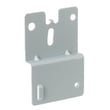


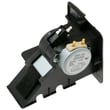
Do all GE microwaves use the same mounting bracket?
No. GE microwaves do not all use the same mounting bracket; bracket hole patterns, trim, and cabinet cutout requirements vary by model and installation type. For the GE PSB9240SF1SS built-in microwave, we recommend following the exact mounting and cutout instructions in the PSB9240SF1SS installation guide to ensure a secure fit.
What to do before reusing any bracket
Reusing an older bracket is only safe when the bracket and cutout dimensions match the replacement unit’s installation requirements.
- Confirm the appliance type matches (built-in speedcook vs over-the-range microwave)
- Verify the cabinet cutout width, height, and depth match the PSB9240SF1SS requirements
- Check that the support surface is level, rigid, and properly reinforced
- Confirm required clearances if installed over a wall oven or warming drawer
- Use the correct electrical supply and dedicated circuit as specified
Key installation requirements that affect bracket compatibility
The PSB9240SF1SS installation requirements go beyond a simple bracket swap. For example, the installation guide calls for a properly rated electrical supply and a dedicated branch circuit, and it specifies structural support expectations for the cabinet opening.
| Item to match | Why it matters | What to verify |
|---|---|---|
| Cutout dimensions | Prevents gaps, binding, and unsafe support | Opening width and any allowed tolerance |
| Support floor | Carries oven weight and prevents sagging | Solid 3/8-inch minimum plywood with runners |
| Clearance to appliance below | Prevents overlap interference | At least 2 inches between openings |
| Electrical requirements | Prevents nuisance trips and overheating | Correct voltage, 30-amp dedicated circuit |
Why it matters
A mismatched bracket or cutout can leave the microwave unsupported or misaligned, which can cause door alignment problems, vibration, and installation stress on the cabinet. Installing to the PSB9240SF1SS specifications protects the appliance and the surrounding cabinetry.
Last updated: February 2026
Is it worth repairing a GE microwave?
Yes, repairing a GE microwave is usually worth it when the unit is under about 8 to 10 years old and the failure is a common, lower-cost item (especially door-interlock or safety components). For the GE PSB9240SF1SS, we typically recommend repair for simple switch, latch, or thermal cut-off issues; replacement makes more sense after major high-voltage or control failures.
Quick decision checklist
- Repair when the microwave still powers on, the cavity is in good shape, and the issue is intermittent (door-related symptoms are common).
- Repair when the problem points to an interlock or latch issue (clicking, won’t start, stops when door is touched).
- Repair when a safety device opened after overheating and the root cause is corrected.
- Replace when there is repeated no-heat after repairs, burning smell, or multiple expensive parts are suspected.
- Replace when the door is damaged or the unit has extensive internal arcing damage.
Common repairs that are usually “good bets” on PSB9240SF1SS
These parts are frequently involved in “won’t start,” “runs then stops,” or “blows fuse” style complaints:
Cost-to-value guide (rule of thumb)
| Repair type | Typical parts cost range | Usually worth it? |
|---|---|---|
| Door interlock or latch-related | $20 to $80 | Yes |
| Safety cut-off or basic electrical issue | $20 to $100 | Yes |
| Control/display board | $150 to $400+ | Depends on age |
| High-voltage heating circuit (transformer, etc.) | $150 to $300+ | Often no on older units |
Why it matters
Microwaves use door interlocks and safety devices to prevent operation with the door unlatched. When those parts wear, the symptoms can look severe (dead unit, won’t start, stops mid-cycle) even though the fix is straightforward. For anything involving high voltage or internal electrical testing, we recommend using a qualified service technician.
What we use from the documentation
- The GE PSB9240SF1SS warranty coverage can make repair a better value early in ownership (including longer coverage on the magnetron tube, with labor typically not included after the first year). See the PSB9240SF1SS owner’s manual for warranty details and service guidance.
Helpful troubleshooting next step
If your microwave runs but does not heat, follow a structured diagnosis path before buying major parts: why is my microwave not heating
Last updated: February 2026
How many watts is a GE PSB9240SF1SS?
The GE PSB9240SF1SS is a 240V Advantium built-in speedcook oven; its microwave cooking output is typically around 1,000 to 1,100 watts for this class of GE Advantium units. For the exact rated wattage and electrical specs for your unit, confirm the rating information in the PSB9240SF1SS owner’s manual.
How to confirm the exact wattage on your unit
- Check the model and serial label inside the oven cavity (usually on the frame area).
- Look for “microwave output” (cooking power) in watts.
- Also note “input power” and “voltage”; those are different from cooking output.
- Match your exact model suffix (PSB9240SFSS vs. PSB9240SF1SS) when reading specs.
- If you are comparing to another microwave, compare output watts, not just amp draw.
Output watts vs. input watts (what you are really asking)
| Spec type | What it means | Why it matters |
|---|---|---|
| Microwave output (watts) | Cooking power delivered to food | Determines heating speed and recipe timing |
| Electrical input (watts/amps) | Power the oven draws from the circuit | Determines wiring and breaker requirements |
| Voltage (240V on this model family) | Supply voltage | Impacts installation requirements |
Why it matters
Microwave output wattage affects cook times, sensor cooking results, and how closely packaged-food directions match your results. Electrical input and voltage matter for safe installation and avoiding nuisance trips.
Related installation note
Because PSB9240-series Advantium units are 240V built-in appliances, we recommend following the clearances, mounting, and electrical requirements in the PSB9240SF1SS installation guide before replacing parts or changing cabinetry.
Last updated: February 2026
What's the average lifespan of a GE microwave?
A GE microwave typically lasts 8 years. For a built-in GE Advantium-style unit like model PSB9240SF1SS, most owners see about 5 to 10 years depending on daily run time, ventilation, and keeping the cavity and door system clean and undamaged.
Typical lifespan ranges (what we see most often)
- Light use (a few minutes/day): 9 to 12 years
- Average use (15 to 30 minutes/day): about 8 years
- Heavy use (multiple long cycles/day): 5 to 7 years
- Best-case with excellent care: 10+ years
What shortens microwave life fastest
- Running the microwave empty (overheats internal components)
- Repeated arcing from metal, foil, or damaged interior surfaces
- Slamming the door or operating with a door that does not close smoothly
- Blocked airflow or grease buildup around vents
- Power issues (frequent breaker trips or surges)
Quick care checklist to help PSB9240SF1SS last longer
- Wipe the cavity after splatters; keep the waveguide area clean and intact.
- Use microwave-safe cookware only; avoid foil and metal unless the cooking mode specifically calls for it.
- Keep the turntable system seated correctly; replace worn parts if the tray wobbles.
- If the unit stops heating, stop using it and troubleshoot promptly to prevent cascading failures.
Common “repair vs. replace” decision points
| Symptom | Most likely area | Typical next step |
|---|---|---|
| Runs but does not heat | High-voltage system | Use our why is my microwave not heating guide to narrow causes |
| Dead, no display | Power supply or control | Check fuse, thermal cut-off, or control diagnostics |
| Starts then stops when door moves | Door interlock system | Inspect switches and latch alignment |
Why it matters
Microwaves rely on a tight door seal and a healthy high-voltage heating system. Catching early symptoms (no heat, intermittent running, arcing) helps you avoid damage to higher-cost components and keeps cooking performance consistent.
For model-specific operating and care guidance, follow the PSB9240SF1SS owner’s manual.
Last updated: February 2026