Installation guide
 Owner’s manual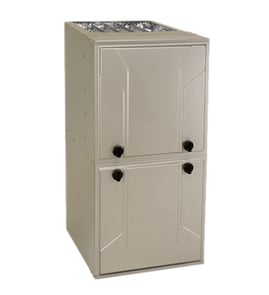



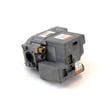
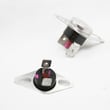
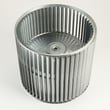

What is the most common part to fail on a furnace?
On the Icp H9MPD075F12B1 90+ single-stage gas furnace, the most common failure item is the hot surface igniter (or the igniter-sensor assembly), because it heats to very high temperatures on every call for heat and becomes brittle over time. Confirm the exact ignition style and service steps in the H9MPD075F12B1 owner's manual.
What typically fails first (and what you notice)
In real-world furnace troubleshooting, these parts cause the most no-heat calls:
- Igniter or igniter/sensor: furnace tries to start, then shuts down; no flame.
- Flame sensor: burners light briefly, then go out after a few seconds.
- Pressure switch or tubing: inducer runs but ignition never completes; venting/condensate issues can contribute.
- Air filter: restricted airflow leads to overheating and shutdown; dirty filters are a very common cause of inadequate heating performance.
- Limit switch: furnace cycles on and off, or shuts down on high temperature.
Quick checks we recommend before replacing parts
Turn off electrical power before removing panels or doing any maintenance.
- Check and replace the air filter; inspect it monthly and replace before it clogs.
- Make sure the furnace area is clean and clear of combustibles and loose insulation.
- Verify the return air duct connection is sealed and physically sound.
- If overheating occurs, shut off the gas valve before shutting off electrical power.
- Look for cracked or loose pressure-switch tubing during yearly maintenance.
Common symptoms and likely causes
| Symptom | Most likely cause | What to do next |
|---|---|---|
| No glow at igniter, no flame | Igniter failed or no power to igniter | Test igniter circuit; replace igniter if open |
| Flame lights then drops out | Flame sensor dirty/weak | Clean sensor; replace if problem returns |
| Inducer runs, then stops, no ignition | Pressure switch not closing | Check venting, condensate drain, and tubing |
| Short cycling, hot smell, shuts off | Airflow restriction or limit opening | Replace filter; check blower and ducts |
Parts that commonly solve “no heat” on this model
If your diagnosis points to ignition, these are the most relevant model-listed parts:
Why it matters
Replacing the right part first prevents repeat shutdowns, protects the heat exchanger from overheating, and restores safe, reliable ignition. Airflow basics (filter and return duct sealing) also reduce nuisance limit trips and poor heating performance.
Last updated: February 2026
What is the most expensive part to replace in a furnace?
In most gas furnaces, the heat exchanger is the most expensive component to replace because it is labor-intensive and central to safe heating. On the Icp H9MPD075F12B1 (a 90+ single-stage gas furnace), other high-cost repairs commonly include the inducer assembly, blower motor, and gas valve; see the H9MPD075F12B1 owner's manual for model-specific component and maintenance guidance.
Typical “most expensive” furnace parts (what we see most often)
Costs vary by brand, access, and labor time, but these are the usual top-ticket items:
- Heat exchanger (often the highest total repair cost)
- Inducer/vent motor assembly (draft/combustion blower)
- Blower fan motor (circulating air)
- Gas valve
- Control board (if equipped)
Quick cost comparison (parts + labor ranges)
These are typical residential ranges to help set expectations.
| Part or assembly | Why it gets expensive | Typical total cost range |
|---|---|---|
| Heat exchanger | Major disassembly, long labor time | $1,500 to $4,000 |
| Inducer/vent motor | Sealed combustion parts, diagnostics | $600 to $1,500 |
| Blower fan motor | Motor + setup, sometimes wheel/balance | $500 to $1,400 |
| Gas valve | Safety-critical, setup and testing | $400 to $1,200 |
| Control board | Electrical diagnosis, programming/setup | $300 to $900 |
Model-specific notes for Icp H9MPD075F12B1
For this model, some of the higher-priced parts we commonly see customers replace include:
- Gas valve SV9641M4510 (gas flow control)
- Furnace blower fan motor, 1/2-hp 1013341 (circulating blower)
- Furnace blower vent 1172823 (inducer vent motor assembly)
Why it matters
When a repair approaches the cost of a major assembly, it is smart to confirm the diagnosis first. Simple maintenance can also prevent expensive failures; the manual notes that dirty or overly restrictive filters can raise operating temperatures and shorten furnace life.
What we recommend before approving a big repair
- Check the filter type and condition; replace or clean it on schedule
- Verify the furnace is getting proper airflow (return grilles open, no blocked supply vents)
- Confirm the fault code or symptom matches the suspected part
- If testing electrical components, use safe meter practices
- For gas or combustion-related repairs (heat exchanger, gas valve, inducer), use a qualified technician
Last updated: February 2026
What are the parts of a high efficiency gas furnace?
A high-efficiency (90+ AFUE) gas furnace like the Icp H9MPD075F12B1 uses a sealed combustion and venting system plus standard heating components: burners and ignition to light gas, a heat exchanger to transfer heat, safety switches to prove safe operation, and a blower to move warm air through your ducts. See the H9MPD075F12B1 owner's manual for your unit’s exact component locations.
Core parts and what they do
- Burners: mix gas and air to create a stable flame.
- Ignition system: lights the burners (hot surface igniter or pilot-style ignition module, depending on configuration).
- Heat exchanger: transfers heat from combustion to household air.
- Inducer (venter) assembly: pulls combustion air and pushes flue gases through the vent system.
- Pressure switch(es): confirm proper draft before allowing ignition.
- Main gas control valve: opens and closes gas flow to the burners.
- Circulating blower motor and wheel: moves heated air through the ductwork.
- Temperature limit switch: shuts the burners off if the furnace overheats.
- Door switch: prevents operation when the blower door is off.
Model-relevant examples of parts we stock for H9MPD075F12B1
| Function | Example part for this model | What you’ll notice when it fails |
|---|---|---|
| Prove flame / ignition sensing | Furnace pilot igniter and sensor 1009524 | No heat, short cycling, ignition tries then stops |
| Move combustion gases (draft) | Furnace blower vent 1172823 | Inducer won’t run, pressure switch won’t close |
| Move house air | Furnace blower fan motor, 1/2-hp 1013341 | Weak airflow, blower won’t start, overheating |
| Control gas flow | Gas valve SV9641M4510 | No ignition, no flame, intermittent heat |
| Prevent overheating | Furnace temperature limit switch 1013102 | Burners shut off quickly, blower runs longer |
Why it matters (efficiency and safety)
High-efficiency furnaces rely on correct combustion air and venting. We recommend keeping the furnace area clear, never blocking air openings or ducts, and turning off gas and electrical power before any service. A qualified service check before each heating season helps keep operation safe and efficient.
Quick homeowner checks (no disassembly)
- Confirm the thermostat is calling for heat and the furnace has power.
- Make sure the blower door is fully seated (door switch must be engaged).
- Replace or clean the air filter regularly to prevent overheating.
- Check that venting and flue-gas pathways are clear and unobstructed.
- If the furnace has been exposed to water, stop using it and have it inspected by a qualified service agency.
Last updated: February 2026