 Owner’s manual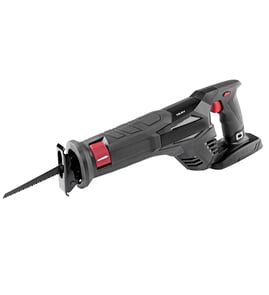

Is there a difference between a reciprocating saw and a sawzall?
A reciprocating saw is the tool type; “Sawzall” is a popular Milwaukee brand name that many people use as a generic nickname. Your Craftsman 315171070 is a reciprocating saw, and it works the same basic way as any other reciprocating saw: a blade moves back and forth to cut.
What the names mean
- Reciprocating saw: the generic category (corded or cordless) used for demolition and rough cutting.
- Sawzall: a brand name that’s commonly used to describe any reciprocating saw.
- Your tool: the Craftsman 315171070 is a corded, 120V, 60 Hz AC reciprocating saw (normal household current).
What matters more than the name
Blade choice and setup affect performance far more than what you call the tool.
- Match the blade to the material (wood, metal, nail embedded wood, etc.).
- Install the blade with teeth up or down depending on the cut you want.
- Tighten the blade clamp screw securely.
- Use the adjustable base (shoe) positions to use fresh teeth and improve control.
- Unplug the saw before changing blades or adjusting the base.
Quick comparison
| Term you hear | What it actually refers to | What to look for when buying/using |
|---|---|---|
| Reciprocating saw | The tool category | Power source, stroke length, variable speed, vibration control |
| Sawzall | A brand name often used generically | Same features as above; brand is secondary |
Why it matters
Using the right blade and setting the base assembly correctly helps you cut faster, reduce blade wear, and keep the saw stable. For model-specific operating and safety details (including blade installation and base adjustment), follow the owner's manual.
Last updated: February 2026
Is a 10 amp reciprocating saw powerful enough?
Yes. For a corded Craftsman reciprocating saw like model 315171070, a 10-amp motor is powerful enough for most homeowner and light demo work (wood, nails in wood, PVC, and thin metal) when you use the right blade and let the saw do the work. See the owner's manual for safe operation details.
What a 10-amp saw handles well
A 10-amp corded recip saw is a solid all-around choice for common cutting tasks.
- Pruning and rough carpentry cuts in wood
- Demolition cuts through wood with embedded nails (with a demo blade)
- Cutting PVC and conduit (clamp the work to reduce vibration)
- Light metal cutting (thin steel, angle iron) using a metal-cutting blade
- Flush cuts when set up correctly (base position and blade mounting)
When 10 amps can feel underpowered
Power is only part of performance; blade choice, stroke length, and technique matter just as much.
- Thick steel or heavy cast iron (slow cutting, rapid blade wear)
- Long continuous cuts where the motor heats up from heavy load
- Aggressive binding from poor support or forcing the cut
- Using the wrong blade tooth count for the material
Quick setup and technique tips (model 315171070)
Your 315171070 has variable speed control; using it correctly improves cut speed and control.
| Material | Blade type | Speed approach |
|---|---|---|
| Wood | Wood or demo blade | Higher speed once started |
| Metal | Metal-cutting blade (finer teeth) | Lower speed, steady feed |
| PVC | Fine-tooth or multi-purpose | Medium speed to avoid chatter |
- Clamp the work close to the cut to reduce vibration.
- Start with short trigger pulls until the blade is tracking straight.
- Increase speed with the variable speed control selector as the cut stabilizes.
- Keep the cord out of the blade path and avoid snagging.
- Do not force the saw; forcing causes heat, binding, and faster blade dulling.
Why it matters
A “powerful enough” reciprocating saw is the one that cuts safely and predictably. With the correct blade and speed setting, a 10-amp corded saw delivers dependable performance while helping prevent overheating, kickback, and premature blade failure.
Last updated: February 2026
Can you cut straight with a reciprocating saw?
Yes, you can cut straight with a reciprocating saw, including the Craftsman 315171070, but it takes the right blade and technique because the long blade can flex. For straighter results, use a higher TPI wood blade, keep the shoe tight to the work, and let the saw do the cutting.
Best practices for straighter cuts
- Choose the right blade for the material; for wood, a 6 to 10 TPI blade typically tracks straighter and leaves a cleaner line.
- Keep the base (shoe) pressed firmly against the workpiece the entire cut; this stabilizes the blade and reduces chatter.
- Start slow; use a short, controlled start to establish a kerf before increasing speed.
- Use a guide when possible (a clamped straightedge or scrap board) to keep your cut line true.
- Avoid forcing the saw; pushing hard makes the blade wander and can bend it.
- Support the workpiece close to the cut to reduce vibration.
Setup checks on the Craftsman 315171070 that affect cut accuracy
Your saw’s adjustable base assembly lets you change cutting positions, which helps you use a fresh section of blade teeth and maintain control.
| What to check | What “good” looks like | Why it helps straight cuts |
|---|---|---|
| Blade clamp tightness | Clamp screw tightened securely | Prevents blade twist and drift |
| Base (shoe) position | Set screw tight; base aligned in a notch | Reduces wobble and improves tracking |
| Blade orientation | Teeth up or down as needed | Improves control for the cut type |
For the correct steps to reposition the base assembly and install blades safely, follow the owner's manual.
Why it matters
A reciprocating saw is designed for fast, aggressive cutting. When the blade flexes or the shoe lifts off the work, the cut line curves. Stabilizing the saw and using the right TPI blade is what turns it into a “straight-cut capable” tool.
Last updated: February 2026
Can you use a reciprocating saw to prune trees?
Yes. You can use a reciprocating saw to prune trees, and the Craftsman 315171070 reciprocating saw works well for trimming limbs when you use the right pruning blade and follow safe cutting practices from the owner's manual.
Best practices for pruning with a reciprocating saw
- Use a pruning blade designed for green wood (coarse teeth, aggressive set).
- Support the limb so it cannot pinch the blade as it falls.
- Keep the shoe (base) pressed firmly against the branch to reduce vibration.
- Start the cut at a controlled speed, then increase speed once the blade is tracking straight.
- Keep the power cord and any extension cord out of the blade path.
Blade choice and saw setup
Your 315171070 can accept blades with teeth oriented up or down, depending on the cut you need. For pruning, most people prefer a blade that clears chips quickly and resists clogging in wet wood.
| Task | Blade type | Typical tooth pattern | Notes |
|---|---|---|---|
| Small branches | Pruning blade | Coarse | Faster cut, less clogging |
| Larger limbs | Longer pruning blade | Coarse | Helps reach through thicker wood |
| Tight spots | Short pruning blade | Coarse | Better control, less flex |
Safety checks before you cut
- Wear eye protection (safety glasses with side shields; add a face shield when needed).
- Confirm the saw is on a 120V, 60 Hz AC household circuit.
- Make sure the blade is clear of foreign material (nails, wire, fencing).
- Hold the work firmly; do not cut freehand branches that can whip or roll.
Why it matters
Pruning creates irregular cuts and shifting loads. Using the correct blade and keeping the base assembly planted helps prevent blade binding, reduces kickback risk, and gives you a cleaner cut that is healthier for the tree.
Last updated: February 2026
Where can I buy Craftsman replacement parts?
For Craftsman reciprocating saw model 315171070, buy replacement parts by using the model-specific parts list and exploded diagrams on Sears PartsDirect so you match the exact component to your tool. Use the 315171070 owner's manual to confirm part names and follow safe service guidance before ordering.
Best way to buy the right part for model 315171070
- Identify the part using the exploded view and repair parts list.
- Match the part by diagram location and description, not just by appearance.
- Confirm the part is intended for customer replacement (the manual limits what customers should service).
- For internal double-insulation system components, use a qualified technician.
- Order using the full model number 315171070 to prevent fit and wiring issues.
What to check before you order
Wrong-part orders usually happen when shopping by tool type instead of the exact model diagram.
| What to verify | Why it matters | Where to check |
|---|---|---|
| Model number: 315171070 | Ensures correct fit | Tool nameplate and manual |
| Part position on diagram | Confirms you selected the correct component | Exploded view |
| Electrical vs. mechanical part | Helps you diagnose before replacing parts | Troubleshooting steps |
| Customer-replaceable status | Protects the double-insulation system | Manual service notes |
Why it matters
This Craftsman saw is double insulated, and the manual stresses using identical Craftsman replacement parts when servicing. Using the correct model-specific part protects safety, performance, and the insulation system.
Helpful DIY tip before buying electrical parts
If you suspect an electrical issue (switch, cord, internal connection), test first so you do not replace good parts.
- Unplug the saw before inspecting or testing
- Check for visible cord or plug damage
- Test continuity with a multimeter where appropriate
For testing basics, see how to use a multimeter to test electrical parts video.
Last updated: February 2026