


What is the typical lifespan of a gas snowblower?
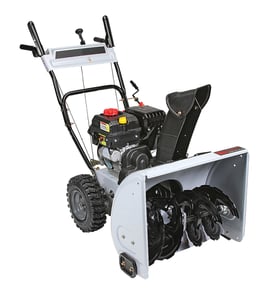
A gas snowblower like the Craftsman 536882602 typically lasts 10 to 15 years with normal residential use and basic maintenance; well-maintained machines commonly reach 15 to 20 years. Lifespan is driven most by off-season storage, fuel care, and keeping the drive and auger systems adjusted.
- 8 to 10 years: heavy use, minimal maintenance, frequent belt or friction-drive wear
- 10 to 15 years: average homeowner use with seasonal maintenance
- 15 to 20 years: consistent maintenance, clean fuel practices, stored dry, wear parts replaced as needed
| Usage and care level | Typical lifespan | What usually ends it first |
|---|---|---|
| Light use, good storage | 15 to 20 years | Belts, pulleys, skid wear |
| Average use, basic care | 10 to 15 years | Drive system wear, carb/fuel issues |
| Heavy use, poor storage | 8 to 10 years | Corrosion, repeated fuel problems, drivetrain wear |
- Change engine oil on schedule and check oil level before each season
- Use fresh fuel and run the unit dry (or stabilize fuel) before storage
- Keep the auger/impeller area clear and avoid ingesting gravel or ice chunks
- Inspect and replace worn drive components early (belt slip and pulley wobble accelerate wear)
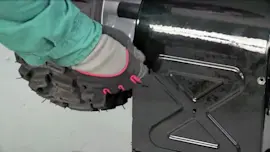
- Keep skid shoes adjusted so the housing does not grind on pavement
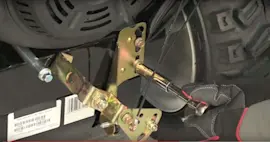
If you are seeing drive slip, squealing, or inconsistent wheel engagement, common wear items for this model include the v-belt 51304MA and the idler pulley 1502120MA.
A snowblower can feel “worn out” long before the engine is truly done. Replacing normal wear parts (belts, pulleys, skids, fasteners) restores performance and prevents secondary damage to the drive system and auger engagement.
Last updated: February 2026
Should I spray my snowblower with WD-40?
Yes; for a Craftsman 536882602 (26-inch 7-hp snow thrower), we use a light coat of WD-40 mainly as a short-term moisture displacer and rust protectant on bare metal, and we keep it off belts, friction-drive parts, and hot engine/muffler areas. For better snow-shedding, silicone spray on the chute and housing works well.
Use WD-40 or silicone spray only on surfaces where you want water displacement or a slick, non-stick film.
Good places to spray (light coat, then wipe):
- Discharge chute interior and chute rotation ring
- Auger housing interior (not the belt area)
- Impeller housing surfaces you can safely reach
- Exposed fasteners and linkages for off-season rust protection
Avoid spraying:
- Drive and auger belts (slip and glazing)
- Friction disc and drive plate area (loss of traction)
- Pulleys where the belt rides (can squeal and slip)
- Hot engine parts, muffler, or near the spark plug boot
If you are chasing a belt slip or squeal issue, inspect the belt and idler system first; the v-belt 51304MA and idler pulley 1502120MA are common wear items on this model.
- Shut the engine off, remove the key (if equipped), and let everything cool.
- Brush out packed snow and ice; spraying over slush just makes a mess.
- Spray a small amount onto a rag, then wipe the chute and housing (less overspray).
- Let it flash-dry for a few minutes before starting.
| Goal | WD-40 | Silicone spray |
|---|---|---|
| Rust prevention on metal | Good | Good |
| Snow sticking reduction | Fair | Better |
| Risk around belts/friction drive | Higher | Lower (still avoid) |
Overspray on the friction-drive system can make your snowblower lose drive or throw poorly. Keeping sprays limited to the chute and rust-prone metal helps performance and reduces premature wear on belts, pulleys, and drive components.
Last updated: February 2026
Is it cheaper to repair or replace a snowblower?
For a Craftsman snowblower model 536882602 (26" 7-hp snow thrower), it’s cheaper to repair when the problem is a normal wear item or simple adjustment; it’s smarter to replace when the engine or major drive components are failing and the repair total approaches about half the cost of a comparable new machine.
- Repair if it’s a single, clear issue (belt slip, pulley noise, loose hardware, worn skid shoes).
- Repair if the machine starts easily and runs smoothly once warmed up.
- Repair if the auger and drive engage normally after a basic adjustment.
- Replace if the engine has low power, heavy smoke, or persistent no-start after basic tune-up steps.
- Replace if the frame/auger housing is badly bent or rusted through (structural damage).
- Replace if multiple systems need work at once (engine + drive + auger).
These are typical, cost-effective repairs for this model family:
- Drive or auger won’t pull well but engine runs fine: inspect/replace the v-belt 51304MA.
- Squealing, slipping, or inconsistent belt tension: check the idler pulley 1502120MA and tension spring alignment.
- Scraping on pavement or poor clearing height: inspect/replace the skid shoes (this page lists a skid 582905MA).
| Situation | Usually cheaper choice | Why |
|---|---|---|
| One worn part (belt, pulley, skid) | Repair | Parts are relatively low cost and restore performance fast |
| Repeated carb/fuel issues every season | Repair first, then reassess | Cleaning and fresh fuel habits often solve it |
| Engine losing compression or burning oil | Replace | Engine work is labor-heavy and can exceed the machine’s value |
| Multiple major issues at once | Replace | Reliability drops and costs stack up |
A snowblower that starts reliably and drives/throws strongly is safer and faster to use. Repairing wear items (belt, idler pulley, skid shoes, fasteners) keeps your Craftsman 536882602 performing like it should without paying for a whole new unit.
Last updated: February 2026
How to tell year of Craftsman snowblower by serial number?
For a Craftsman snowblower like model 536882602, the year is typically encoded in the serial number on the model and serial tag. We match that serial format to a date pattern (numbers or a letter code) to identify the manufacturing year, then confirm it against the engine date code when needed.
Look for a model and serial tag on the snowblower body. Common locations include:
- The rear of the frame near the handles
- The side of the auger housing
- Near the engine mounting area
- Under or behind belt covers (after the unit is fully shut off and cooled)
Craftsman serial formats vary by production run and manufacturer, so the goal is to identify which pattern your tag uses.
- All-numeric serials: often include a build date in the first 6 digits (a YYMMDD or MMDDYY style pattern)
- Letter + numbers: the letter can represent the year code, followed by month and day digits
- Mixed groups: sometimes the date is embedded, not at the very beginning; look for a 6-digit run that resembles a date
| What you see in the serial | What it usually means | What to do next |
|---|---|---|
| 6 digits that look like a date | Manufacturing date is embedded | Try reading it as YYMMDD, then MMDDYY |
| Starts with a letter | Letter may be a year code | Write down the full serial and compare year-code charts |
| No obvious date pattern | Date may be elsewhere | Use the engine code as a cross-check |
If the snowblower serial format is unclear, the engine itself often has a separate code that indicates when the engine was built. Since engines are usually installed close to final assembly, the engine manufacture date is a strong indicator of the snowblower’s production timeframe.
Knowing the correct year helps us match the right Craftsman parts and hardware for your 26-inch 7-hp snow thrower, especially for wear items like belts, pulleys, and skid components.
- V-belt 51304MA (drive/auger belt applications can differ)
- Idler pulley 1502120MA (pulley style and bore size can change)
- Skid 582905MA (skid shape and mounting hardware can vary)
Last updated: February 2026
What is the most common reason snowblower won't start?
For the Craftsman 536882602 (26" 7-hp snow thrower), the most common reason it will not start is stale fuel that gums up the carburetor and blocks fuel flow after the machine sits between seasons. A dirty spark plug and incorrect choke or prime settings are the next most common causes.
- Confirm the ignition key is fully inserted and the run/stop control is set to RUN
- Turn the fuel valve ON (if equipped)
- Set the choke to ON for a cold start, then move it toward OFF as the engine warms
- Prime a few times (typical is 2 to 5 presses) and try starting
- Drain old gas and refill with fresh fuel (especially if it sat more than 30 days)
- Inspect the spark plug; clean or replace if fouled or wet
Gasoline breaks down and leaves varnish-like deposits. On small engines, those deposits commonly clog the carburetor jets and passages, so the engine gets too little fuel to fire.
| Symptom | Most likely cause | What to do |
|---|---|---|
| Starts briefly, then dies | Old fuel or restricted carburetor | Replace fuel; clean fuel system |
| No start, plug is dry | Fuel not reaching cylinder | Check fuel valve, line, carburetor |
| No start, plug is wet | Flooded engine | Choke off; wait; retry with less priming |
| Weak or no spark | Bad/dirty plug or ignition issue | Service spark plug; inspect wiring |
Starting problems are often fuel or ignition related, but drive components can also create “it runs but will not move” confusion. If the engine runs yet the snowblower will not propel or engage the auger, check the belt and idler system.
- V-belt 51304MA (drive/auger engagement issues)
- Idler pulley 1502120MA (belt tension and engagement)
- Spring 49527MA (tension and linkage return on some assemblies)
Fixing the true root cause (usually fuel quality and carburetor restriction) prevents repeat no-starts, reduces plug fouling, and helps your Craftsman 536882602 start reliably at the beginning of each snow season.
Last updated: February 2026