 Owner’s manual
 Error Codes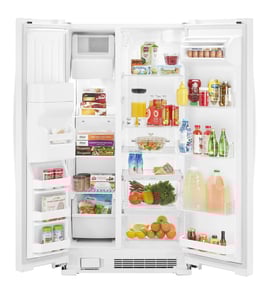


What is the most common problem with the LG refrigerator?
The most common issue we see with LG refrigerators like model LSXC22396S is a cooling problem (refrigerator or freezer too warm). In many cases, it is caused by airflow restrictions, frequent door openings, dirty condenser area, or a sealed-system component issue; use the LSXC22396S owner's manual troubleshooting steps to narrow it down.
Most common symptoms customers report
- Refrigerator section too warm but freezer seems OK
- Freezer too warm and ice production slows or stops
- Clicking or buzzing while the unit struggles to start and cool
- Frost buildup or uneven temperatures (warm spots)
- Water or ice dispenser issues (dripping, low flow, ice jams)
Quick checks that fix many “not cooling” complaints
These checks match the most common causes called out in the manual and typical side-by-side airflow design.
- Check for blocked air vents between freezer and fresh food sections; move packages away from vents.
- Reduce long or frequent door openings; warm, humid air quickly raises compartment temperature.
- Confirm the refrigerator is not in extreme heat; operation above 110 °F can prevent proper cooling.
- Let hot food cool first; adding hot food forces long run times and temperature swings.
- Make sure doors close fully; a door that does not seal causes constant warming and moisture.
What “common problem” usually means by category
| Problem category | What you notice | What to check first |
|---|---|---|
| Airflow/usage | Temps drift up after loading groceries | Vents blocked, door openings, hot food load |
| Condenser area | Unit runs a lot, cabinet feels warm | Clean condenser area, verify fan airflow |
| Sealed system/cooling system | Persistent warm temps despite good airflow | Sealed-system components and compressor performance |
| Ice and water | Low ice, jams, dripping | Ice chute jams, dispenser use habits, water supply issues |
Why it matters
Cooling problems are the root cause behind most secondary complaints (soft ice, spoiled food, excess frost, and long run times). Fixing airflow and door-seal issues first prevents unnecessary part replacement and helps the refrigerator reach and hold safe temperatures.
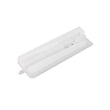
If troubleshooting points to a sealed-system restriction or refrigerant flow issue, a common service item in that circuit is the refrigerator filter dryer ADH73590310 (installed as part of sealed-system repair procedures).
Last updated: February 2026
What is the average lifespan of an LG fridge?
Most LG refrigerators, including the LG LSXC22396S, last 10 to 15 years with normal household use and basic maintenance. Consistent temperatures, clean airflow, and a healthy sealed system (compressor, condenser, evaporator) are what most directly determine whether you land closer to 10 years or 15.
What typically shortens fridge life
These are the most common wear drivers we see across side-by-side refrigerators:
- Dirty condenser area causing higher compressor run time
- Door gasket leaks that let warm, moist air in
- Ice maker and dispenser issues that lead to jams, leaks, or heavy cycling
- Poor airflow from blocked vents or overpacked shelves
- Power interruptions or frequent unplugging
Maintenance that adds years (simple, high impact)
Use these habits to reduce strain on the compressor and cooling system:
- Keep the condenser area clean and unobstructed; good airflow matters
- Confirm doors close and seal fully; wipe gaskets clean and check for gaps
- Replace water filters on schedule to protect the dispenser and ice maker
- Keep freezer temps steady (most homes do best around 0°F) and fridge around 37°F
- Level the refrigerator so doors self-close and don’t drift open
Quick “what to check” table
| What you notice | What it usually means | What to do first |
|---|---|---|
| Fridge runs constantly | Heat can’t leave efficiently | Clean condenser area, verify fan airflow |
| Frost or moisture near door | Air leak at gasket | Inspect and reseat gasket, clean sealing surfaces |
| Weak ice production | Water flow or ice maker issue | Replace filter, check fill tube and ice maker |
| Temps swing up and down | Airflow or sensor/control issue | Clear vents, avoid overpacking, review settings |
Why it matters
A refrigerator can “still run” while slowly losing efficiency. When airflow is restricted or seals leak, the compressor and sealed system work harder, which accelerates wear and increases energy use.
Model-specific notes for LSXC22396S owners
- Your LSXC22396S owner's manual includes care guidance and warranty coverage details for key sealed-system components.
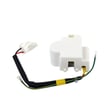
- If you’re troubleshooting ice or dispenser performance, common replacement items for this model include the LG refrigerator ice maker AEQ73209906 and the refrigerator door gasket 4987JJ1010Z.
Last updated: February 2026
How to tell if an LG refrigerator compressor is bad?
If your LG LSXC22396S isn’t cooling (fresh food and freezer both warm) and the compressor repeatedly clicks, buzzes, or runs almost nonstop with little temperature improvement, the compressor or sealed system is likely failing. First, rule out common look-alikes using the LSXC22396S owner's manual.
Quick checks that often mimic a bad compressor
- Make sure both doors close fully and the gaskets seal with no gaps.
- Confirm the room is not excessively hot; the manual notes the refrigerator should not be operated above 110°F.
- Vacuum the condenser cover and vents; do not remove the panel covering the condenser coil area.
- Listen for normal sounds; clicking, gurgling, whooshing, and a pulsating or high-pitched sound can be normal.
- Verify airflow inside is not blocked by overpacked shelves.
Signs that point more strongly to a compressor or sealed-system problem
- Both compartments stay warm after 24 hours of operation.
- Compressor is very hot and repeatedly tries to start (clicks on, then shuts off).
- Compressor runs continuously but temperatures do not improve.
- Cooling is weak and frost pattern looks abnormal (for example, little to no frost on the evaporator during a cooling call).
What to do next (safe, practical steps)
| What you observe | Most likely direction | What we recommend first |
|---|---|---|
| Long run time on hot days | Often normal | Improve ventilation, reduce door openings |
| Clicking but temps are normal | Often normal cycling/defrost | Monitor temps, check door seal |
| Runs constantly and both sections warm | Heat not being rejected or sealed-system issue | Clean condenser area, confirm condenser fan runs |
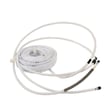
If the condenser area is damaged or cannot be cleaned effectively, replacing the refrigerator condenser coil ACG73748502 can restore proper heat rejection and reduce compressor strain.
Why it matters
A true compressor diagnosis is costly; knocking out door sealing, airflow, and condenser cleanliness first prevents unnecessary major-part replacement and often restores normal cooling.
Last updated: February 2026





