View engine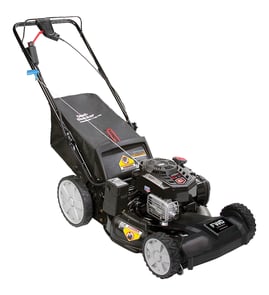



How to find Craftsman model number?
On the Craftsman rotary lawn mower model 917388370, the model number is typically printed on a sticker on the back of the mower deck, usually between the lower handle mounts. Wipe the deck clean first so the label is easy to read.
Where to look on the mower
Check these common label locations on walk-behind mowers:
- Back of the deck, between the lower handle mounts (most common)
- Rear discharge area near the flap (if equipped)
- Side of the deck near a rear wheel bracket
- Under the handle crossbar area (less common)
Tips to read the label clearly
Dirt and grass buildup can hide the sticker. We recommend:
- Turn the mower off and let the engine cool completely
- Brush off dry clippings, then wipe with a damp rag
- Use a flashlight and take a photo to zoom in on small print
- Write down the full model number and any serial number shown
What the model number helps you match
Having the correct model number (like 917388370) helps ensure you get the right parts and diagrams for your Craftsman mower.
| What you need | Why it matters |
|---|---|
| Model number | Matches the correct parts list for your exact deck and handle setup |
| Serial number | Helps narrow down production changes and compatible replacements |
| Engine model (if listed) | Helps match engine-specific items like ignition and fuel parts |
Why it matters
Small differences in deck design, blade mounting, and control cable routing can change which replacement part fits. Using the exact model number prevents ordering the wrong blade, fastener, or control cable.
For common maintenance and identification help, use our DIY guide: easy diy lawn mower repairs.
Last updated: January 2026
Should I use 87 or 93 for lawn mower?
For the Craftsman rotary lawn mower model 917388370, we use regular unleaded 87 octane (AKI) in normal conditions; 93 octane does not improve power or reliability in small mower engines. The bigger priority is using clean, fresh fuel and storing it correctly.
What to use (and what not to)
- Use 87 octane (AKI) unleaded gasoline for everyday mowing.
- Skip 93 octane unless your engine specifically requires it (most walk-behind mowers do not).
- Avoid old gas; fuel can start causing problems after about 30 days in storage.
- Use a fuel stabilizer if the mower will sit more than a few weeks.
- Do not mix in oil unless your mower is a 2-cycle engine (most Craftsman walk-behind mowers are 4-cycle).
Quick comparison
| Fuel choice | When it makes sense | What you gain |
|---|---|---|
| 87 octane (regular) | Normal mowing, most conditions | Correct performance and easiest starting |
| 93 octane (premium) | Rarely needed for walk-behind mowers | Typically no benefit |
| Fresh fuel + stabilizer | Storage, seasonal use | Fewer carburetor and starting issues |
If the mower runs rough after refueling
If your 917388370 starts surging, stalling, or won’t start after sitting, stale fuel is a common cause. We recommend:
- Drain old fuel and refill with fresh 87 octane
- Check the air filter and spark plug condition
- Inspect the blade area for heavy grass buildup that can load the engine
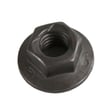
- If you’re servicing the blade, replace worn hardware such as the lock nut 532409149 when needed
For step-by-step help on fuel-related starting issues, use how to keep lawn mower gas from going bad.
Why it matters
Using the right octane is less important than fuel freshness. Fresh 87 octane helps your mower start easier, run smoother, and reduces varnish buildup that can clog the carburetor during storage.
Last updated: January 2026
What is the average lifespan of 917388370?
A Craftsman rotary lawn mower like model 917388370 typically lasts 8 to 12 years with normal residential use and basic maintenance. Blade impacts, dusty mowing conditions, and skipped oil changes shorten life; regular tune-ups and timely part replacement extend it.
What affects lifespan most
- Engine maintenance: clean oil, clean air filter, fresh fuel
- Blade condition: a bent or dull blade increases vibration and engine load
- Deck care: grass buildup holds moisture and accelerates rust
- Cable and control wear: stretched or sticky controls reduce safe operation
- Storage: dry, covered storage prevents corrosion and fuel-system issues
Maintenance schedule that gets you to the high end
| Task | Typical interval | Why it matters |
|---|---|---|
| Change engine oil | Every season or ~25 hours | Prevents internal wear and overheating |
| Sharpen/replace blade | 1 to 3 times per season | Cleaner cut, less strain on crankshaft |
| Clean underside of deck | After mowing (when cool) | Reduces rust and improves airflow |
| Inspect fasteners and controls | Monthly in season | Prevents vibration damage and unsafe operation |
Parts that commonly extend mower life
Replacing wear items early prevents bigger failures. For model 917388370, common examples include:
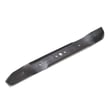
- Lawn mower blade 532406713 if the blade is bent, cracked, or won’t balance
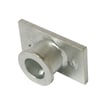
- Lawn mower blade adapter 581547901 if the blade slips, wobbles, or the adapter is rounded
- Control cable 532168552 if the drive or engine control feels loose, sticky, or won’t fully engage
Why it matters
A mower near end-of-life often shows hard starting, excessive vibration, uneven cutting, or repeated loosening of blade hardware. Addressing the blade, adapter, and controls early protects the engine crankshaft and deck, which are the most expensive components to replace.
Last updated: March 2026