Owner’s manual
 View engine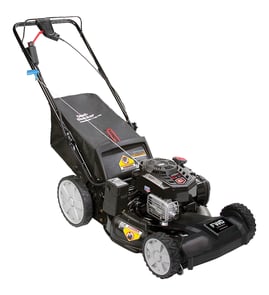


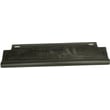

How do I know what model my mower is?
Your mower’s model number is on the model-and-serial tag; for Husqvarna model 917375363, it will read 917.375363 on the label. Check the mower deck housing near the rear, the handle mounting area, or near the engine shroud, then match the full number exactly.
Where to look on a Husqvarna walk-behind mower
Check these common tag locations first:
- Top of the mower deck (near the rear discharge door or bagging area)
- Rear of the deck housing, above the height adjuster area
- Handle bracket area where the lower handle bolts to the deck
- Near the engine, under or beside the engine shroud (on the deck, not on the plastic cover)
- On a sticker or metal plate that lists both model and serial
How to write the model number correctly
Use these tips so parts diagrams and replacement parts match your mower:
- Copy every digit exactly; 917375363 is not the same as 917.375363 (both formats refer to the same model)
- Include any dots or dashes only if they appear on the tag
- Record the serial number too; it helps confirm production variations
- If the label is dirty, wipe it with a damp rag and mild soap, then dry it
Quick check: what you should see for this model
| Item | What to look for |
|---|---|
| Brand | Husqvarna |
| Model number format | 917.375363 (may also appear as 917375363) |
| Product type | Rotary lawn mower |
Why it matters
We use the model number to pull the correct parts list and diagrams for your exact mower, so items like the blade, drive components, and discharge door hardware fit and install correctly.
For model identification details and diagrams, use the 917375363 owner’s manual.
Last updated: January 2026
What octane gas should I use in my lawn mower?
For the Husqvarna model 917375363, use unleaded regular gasoline; 87 octane is the right choice for normal operation. Higher octane does not add power in this mower and is not needed; focus on fresh fuel and proper storage per the 917375363 owner's manual.
Recommended fuel for model 917375363
- Use unleaded regular gasoline (typical pump grade is 87 octane).
- Use fresh fuel; stale fuel is a common no-start cause.
- Keep the gas can clean and rust-free; rust and dirt in fuel create carburetor problems.
- Do not store gasoline from one season to the next.
- Let the engine cool before storing the mower indoors.
Quick fuel checklist (before you mow)
- Fuel smells fresh (not sour or varnish-like)
- No visible water or debris in the can
- Cap seals tightly; can is not rusty
- Tank is filled with unleaded regular
- You are using the correct oil grade for temperature (SAE 30 above 32°F; SAE 5W-30 below 32°F)
What to use vs. what to avoid
| Fuel choice | Use it? | Why |
|---|---|---|
| Unleaded regular (87 octane) | Yes | Matches the mower’s “unleaded regular” requirement and runs cleanly when fresh |
| Mid-grade/premium (89 to 93 octane) | Not needed | Higher octane does not improve performance in this engine |
| Old gas from last season | No | Leads to hard starting, rough running, and fuel-system issues |
Why it matters
Most “mower won’t start” complaints trace back to stale fuel, water in fuel, or dirty fuel containers, not octane. Using fresh unleaded regular and storing fuel correctly helps protect the carburetor and keeps starting reliable.
Last updated: January 2026
What is the average lifespan of 917375363?
A Husqvarna rotary walk-behind mower like model 917375363 typically lasts 8 to 12 years with normal residential use and routine maintenance (oil changes, blade care, and clean fuel). Following the maintenance schedule in the owner's manual is the most reliable way to reach that lifespan.
What affects lifespan the most
These items have the biggest impact on how long a 6.5 HP, power-propelled mower lasts:
- Engine care: regular oil changes, clean air intake, and correct oil type
- Fuel quality: fresh gasoline, clean tank, and off-season fuel stabilization
- Blade condition: a sharp, balanced blade reduces vibration and crankshaft wear
- Deck cleanliness: grass buildup traps moisture and accelerates rust
- Drive system wear (self-propelled models): belt, pulleys, and drive wheels wear faster if used on hills or in thick grass
Typical lifespan by usage pattern
| Usage pattern | What “normal” looks like | Typical outcome |
|---|---|---|
| Light | small yard, dry grass, short season | closer to 12 years |
| Average | weekly mowing, mixed conditions | 8 to 12 years |
| Heavy | large yard, frequent thick/wet mowing | closer to 8 years |
Parts that commonly extend service life
Replacing wear parts on time prevents bigger failures and keeps performance consistent:
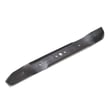
- Lawn mower blade 532406713 (dull or bent blades strain the engine)
- Poulan lawn mower ground drive belt, 3/8 x 33-3/16-in 532196857 (slipping belt reduces drive and overheats components)
- Husqvarna lawn mower drive wheel, 8 x 2-in 532180775 (worn tread or hub affects traction and drive engagement)
Why it matters
A mower that is maintained to spec cuts cleaner, starts easier, and puts less load on the engine and drive system. That reduces vibration, overheating, and premature wear, which are the main reasons walk-behind mowers get retired early.
Last updated: March 2026