 Owner’s manual
 Error Codes
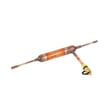


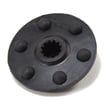
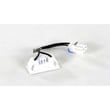


Can I replace fridge parts myself?
Yes, on the LG LBNC15231V bottom-mount refrigerator you can replace many non-technical parts yourself (shelves, bins, some door items, and basic hardware) as long as you unplug the refrigerator first and follow the safety steps in the LBNC15231V owner's manual. For electrical, LED lighting service, or sealed-system cooling repairs, we recommend using a qualified technician.
Good DIY repairs vs. repairs to leave to a pro
Here is a practical way to decide:
- Good DIY: shelves, drawers, trim pieces, door alignment tweaks, cleaning condenser cover and vents (without removing panels)
- Good DIY with care: door gasket cleaning and minor sealing issues, ice bucket and tray swaps
- Pro service: compressor, evaporator, refrigerant lines, control board diagnostics, wiring harness repairs
- Pro service: interior LED light service (the manual specifies qualified service)
- Stop and call for service: water or dust inside electrical areas, damaged power cord, burning smell, repeated tripping breaker
Safety steps we follow before any repair
The manual calls out several key safety points that matter for DIY work:
- Unplug the power plug before cleaning or repairing
- Do not use adapter plugs or multi-outlet extension cords
- Do not operate or handle the power cord with wet hands
- Keep hands and tools out of air vents and the bottom area while powered
- Do not disassemble or repair the appliance if you are not qualified (especially electrical and cooling-system work)
Common parts customers replace on this model
If you are chasing vibration or rattling noises, these model-listed parts are often involved:
| Symptom | Common area to check | Example part for LBNC15231V |
|---|---|---|
| Rattle or vibration near compressor | Compressor mounting hardware | Refrigerator compressor grommet MCQ66921101 |
| Buzzing or vibration against cabinet | Dampers and noise isolation | Noise damper 5072JQ3002F |
| Door not sealing well | Door gasket and alignment | Check gasket condition and door level per the manual |
Why it matters
DIY part replacement can save time and money, but refrigerators combine electricity, moving fans, and (in the sealed system) refrigerant. Staying within simple mechanical repairs helps prevent shocks, food-safety issues from warming, and accidental damage to cooling components.
Last updated: February 2026
What are the most commonly replaced parts in a refrigerator?
In an LG bottom-mount refrigerator like model LBNC15231V, the most commonly replaced items are wear parts (filters and door gaskets) and cooling or airflow components (fans and defrost parts). Big-ticket repairs like a compressor happen less often, but they are common when cooling problems persist.
Most common refrigerator parts that get replaced
- Water filter (if your model uses one)
- Door gasket (door seal) and related door hardware
- Evaporator fan motor (moves cold air through the fresh food section)
- Defrost system parts (heater, thermostat, fuse)
- Temperature sensor (thermistor) or electronic control board
- Ice maker components (if equipped)
Examples of model-related parts you may see for LBNC15231V
These are not the only parts that can fail, but they are common “cooling system” related items customers replace when diagnosing noise, vibration, or no-cool symptoms.
| Part type | What it affects | Example part for this model |
|---|---|---|
| Compressor | Primary cooling | LG compressor TCA37032002 |
| Compressor mounting | Vibration, rattling | Refrigerator compressor grommet MCQ66921101 |
| Noise/vibration damper | Buzzing, vibration transfer | Noise damper 5072JQ3002F |
Quick signs a part may be failing
- Warm refrigerator or freezer: airflow issue (fan), defrost issue, or sealed system issue
- Frost buildup on the back wall: defrost system problem
- Door won’t seal or moisture around the door: gasket is warped, torn, or dirty
- Unusual buzzing or rattling: compressor area mounts, dampers, or panels vibrating
- Odors that keep coming back: cleaning and airflow issues (not always a “bad part”)
Why it matters
Replacing the right part first saves time and prevents food loss. For example, a poor door seal can make the compressor run longer and waste energy, while a defrost problem can block airflow and make the refrigerator warm even though it sounds like it is running.
Best next step before ordering parts
Use the troubleshooting and maintenance guidance in the LBNC15231V owner's manual. It covers safe cleaning practices (avoid harsh or flammable cleaners), routine odor prevention, and cooling behavior such as allowing up to 24 hours to reach temperature after installation or power loss.
Last updated: February 2026
What is the lifespan of an LG inverter refrigerator?
Most LG inverter (linear/inverter compressor) refrigerators typically last 12 to 15 years with normal household use and basic maintenance. For your LG LBNC15231V bottom-mount refrigerator, keeping airflow clear, doors sealing tightly, and temperatures set correctly does the most to reach that lifespan; see the LBNC15231V owner's manual for care and operating guidance.
Typical lifespan and what usually fails first
A refrigerator’s “lifespan” is usually limited by wear items and cooling-system performance over time.
- Compressor and sealed system: often the biggest long-term factor in overall life
- Evaporator fan and condenser airflow: poor airflow shortens life and hurts cooling
- Door gaskets: leaks cause longer run times and temperature swings
- Defrost system: failures can lead to frost buildup and warm temps
- Controls/sensors: can cause inconsistent temperatures
Warranty vs. lifespan (helpful context)
Warranty coverage is not the same as expected lifespan, but it shows which components LG expects to support longer.
| Item | Typical role | Warranty length shown in manual (USA) |
|---|---|---|
| Refrigerator (overall) | General parts and labor coverage | 1 year |
| Sealed system | Cooling loop components | 5 years |
| Linear/inverter compressor | Main cooling pump | 5 years parts and labor; years 6 to 10 parts only |
How to help your LG inverter refrigerator last longer
These steps reduce compressor run time and prevent common cooling complaints.
- Set temps to about 37°F fresh food and 0°F freezer
- Keep vents inside the cabinet unblocked (don’t pack items tight against air returns)
- Clean dust from the rear/bottom area so heat can leave the unit efficiently
- Confirm doors close easily and stay closed; fix sagging or rubbing doors
- If the door seal is loose or torn, address it promptly; see how to fix a fridge door seal
Why it matters
When an inverter compressor has to run longer to overcome warm air leaks, dirty airflow paths, or poor temperature settings, it increases wear and energy use. Simple maintenance often adds years of reliable cooling.
Last updated: February 2026
What is the most common problem with an LG refrigerator?
The most common LG refrigerator problem is a cooling complaint: the refrigerator or freezer is too warm. On LG model LBNC15231V, this is often tied to airflow restrictions (blocked vents), frequent door openings, or doors not sealing and closing correctly; all of these reduce cold-air circulation.
Quick checks we recommend first
- Make sure food packages are not blocking the air vents between the freezer and fresh-food section.
- Reduce long or frequent door openings; warm, humid air quickly raises compartment temperature.
- Confirm both doors close fully and the gaskets seal all the way around.
- Let hot food cool to room temperature before loading it.
- Verify the refrigerator is not installed in an area above 110°F.
Common symptoms and what they usually point to
| Symptom | Most likely cause | What to do next |
|---|---|---|
| Fresh-food section warm, freezer OK | Air vents blocked or poor airflow | Clear vents; reorganize shelves for airflow (see LBNC15231V owner's manual). |
| Both sections warm | Doors opened often, hot room, or door not closing | Check door closure and room temp; minimize openings. |
| Temps swing after loading groceries | Too much warm food added | Wait for temps to recover; load smaller batches. |
| You want a fast diagnosis | Need to narrow down the fault | Use LG Smart Diagnosis steps in the LBNC15231V owner's manual. |
Why it matters
Cooling issues can look like a “bad compressor,” but many warm-temperature complaints are caused by simple airflow and door-seal problems. Fixing those first protects food, reduces run time, and helps avoid unnecessary part replacement.
When parts are more likely involved
If airflow and door sealing are good but temperatures still stay high, the issue can shift toward the sealed system or compressor-related components. For this model, compressor mounting and vibration parts can also contribute to noise and performance concerns; examples include the LG compressor TCA37032002 and the noise damper 5072JQ3002F.
Last updated: February 2026





