




How do I find the specs for my Briggs & Stratton engine?
For your Briggs engine model 31R977-0041-G1, the fastest way to get the right specs is to confirm the engine identification numbers stamped on the engine (Model, Type, and Code) and match them to the correct parts and service information. If you are missing a spec, matching the correct replacement part is the next-best way to confirm fit.
Where to find the engine ID numbers
On most Briggs lawn and garden engines, the Model, Type, and Code are stamped or printed on the engine itself. Check these common spots:
- Valve cover area
- Blower housing (recoil starter shroud)
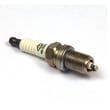
- Near the spark plug
- Near the muffler or heat shield
- On a metal tag or label attached to the engine
What specs you can confirm from parts and maintenance items
Even without a manual for 31R977-0041-G1, you can still confirm many practical specs by identifying the correct maintenance parts used on your exact engine version.
- Oil filter style and thread match (use the correct oil filter for your engine)
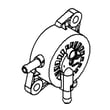
- Fuel system filter type (inline vs. in-tank, hose size)
- Ignition system compatibility (coil style and mounting)
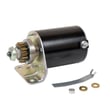
- Starting system configuration (starter drive design)
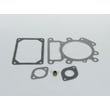
- Gasket and seal match when repairing leaks
Common “specs” customers look for (and how to verify)
| Spec you need | Best way to confirm | What you’ll use it for |
|---|---|---|
| Tune-up parts fit | Match part to model/type/code | Maintenance planning |
| Fuel filter type | Compare filter style and hose routing | Fixing no-start or surging |
| Ignition parts | Match coil and flywheel style | No-spark diagnosis |
| Gaskets/seals | Match gasket set to engine version | Oil leaks, exhaust leaks |
Parts on this model page that help confirm fit
If you are doing maintenance or troubleshooting, these model-matched parts are often the quickest way to lock in the correct configuration:
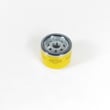
- Lawn and garden equipment engine oil filter 696854
- Lawn & garden equipment engine inline fuel filter 84001895
- Lawn & garden equipment engine fuel filter (white) 394358S
- Lawn & garden equipment engine ignition coil 595304
- Lawn & garden equipment engine carburetor 594605
Why it matters
Briggs engines can share the same base model number but differ by Type and Code; those differences change specs like fuel system layout, ignition parts, and gasket sets. Using the exact ID numbers prevents ordering the wrong filter, carburetor, or ignition coil.
Last updated: February 2026
What are common B&S engine problems?
Common Briggs & Stratton engine problems on model 31R977-0041-G1 usually come from fuel delivery (stale gas, restricted fuel filter, dirty carburetor), ignition (weak spark), or basic maintenance issues (dirty oil, clogged cooling fins). These show up as hard starting, surging, stalling, or loss of power.
Most common symptoms and likely causes
- Won’t start or starts then dies: clogged fuel filter, varnished carburetor, weak ignition coil
- Surging or hunting at idle: partially plugged carburetor passages, air leak at gaskets
- Runs rough under load: restricted fuel flow, dirty carburetor, low compression from wear
- Backfiring or popping: lean fuel mix, exhaust leak, ignition timing issues
- Oil leak or burning oil smell: worn seal, crankcase gasket seepage, overfilled oil
Quick checks we recommend (fastest to slowest)
- Drain old fuel and refill with fresh fuel.
- Replace the fuel filter (many “no start” complaints are simple fuel restriction).
- Check for spark; if spark is weak or intermittent, suspect the ignition coil.
- If it only runs on choke or won’t idle, clean or replace the carburetor.
- If you hear exhaust “ticking,” inspect the exhaust gasket.
Parts that commonly fix these problems
| Problem you see | Part that often solves it | What it does |
|---|---|---|
| Starts then stalls, won’t stay running | Briggs & statton lawn & garden equipment engine inline fuel filter 84001895 | Restores fuel flow to the carburetor |
| Surging, won’t idle, only runs on choke | Briggs & statton lawn & garden equipment engine carburetor 594605 | Meters fuel correctly across speeds |
| No spark or weak spark | Briggs & statton lawn & garden equipment engine ignition coil 595304 | Generates spark for combustion |
| Exhaust leak noise, backfiring | Briggs & stratton lawn & garden equipment engine exhaust gasket 692236 | Seals exhaust to prevent leaks |
Why it matters
Fuel restriction and carburetor varnish are the top causes of hard starting and surging on lawn and garden engines. Fixing those first prevents repeated no-starts, reduces overheating risk, and helps protect internal parts like the camshaft and valves.
Last updated: February 2026
What is the lifespan of a B&S engine?
A Briggs engine like model 31R977-0041-G1 typically lasts 500 to 1,000+ run-hours with normal residential use and consistent maintenance; in years, that commonly works out to 10 to 20 years. The biggest lifespan drivers are clean oil, clean fuel, and keeping the engine from overheating.
Typical lifespan ranges (what to expect)
Engine life is best measured in hours because mowing time varies by yard size and season.
| Use type | Typical run-hours | What usually ends the engine’s life |
|---|---|---|
| Light residential | 300 to 600 | Fuel system varnish, neglected oil changes |
| Average residential | 500 to 1,000+ | Wear from dirty oil, overheating |
| Heavy use | 1,000+ (with strict upkeep) | Compression loss, valve train wear |
Maintenance that adds the most life
These steps prevent the most common failures we see on lawn and garden engines.
- Change oil on schedule; check level before each use
- Replace the oil filter when you change oil (if equipped), such as the Briggs & stratton lawn and garden equipment engine oil filter 696854
- Use fresh gasoline; avoid storing fuel for long periods
- Replace a restricted fuel filter, such as the Briggs & stratton lawn & garden equipment engine fuel filter (white) 394358S
- Keep cooling fins and blower housing clear of grass and debris
- Store the equipment dry; shut off fuel and run the carburetor dry for storage when applicable
Quick “hours to years” rule of thumb
Most homeowners put 25 to 50 hours per year on a mower engine.
- 500 hours: about 10 to 20 seasons
- 1,000 hours: about 20 to 40 seasons
Why it matters
Engines rarely “wear out all at once”; they lose life quickly when oil gets dirty, fuel turns stale and gums the carburetor, or airflow is blocked and the engine runs hot. A simple filter and oil routine usually costs far less than a carburetor or internal engine repair.
Last updated: February 2026