Owner’s manual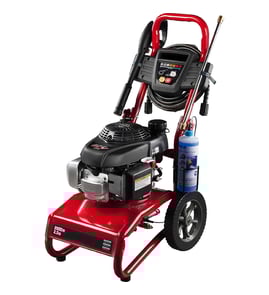





Are Craftsman gas pressure washers any good?
Craftsman gas pressure washers, including model 580752920, are a solid choice for typical homeowner cleaning because they deliver strong cleaning power and are generally straightforward to set up and use. Long-term satisfaction depends on routine maintenance and avoiding common wear issues like hose leaks, nozzle clogs, and pump strain (running without water).
What “good” means for a gas pressure washer
A gas pressure washer is “good” when it starts reliably, maintains steady pressure, and holds up to normal use (driveways, siding, decks) without frequent leaks or vibration problems. For Craftsman 580752920, the best results come from following the operating and maintenance steps in the 580752920 owner's manual.
Typical strengths customers value
- Strong cleaning performance for outdoor jobs
- Fast setup with standard hose and spray tips
- Good reach and control when the spray nozzle is matched to the task
- Easy troubleshooting for basic issues (clogs, air in the line)
Common issues that affect durability
- Pump wear from running dry or leaving it pressurized too long
- Hose damage from kinks, abrasion, or dragging around corners
- Nozzle clogging from debris or hard-water scale
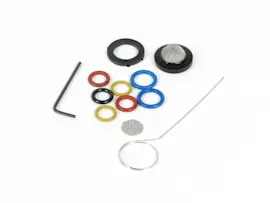
- Leaks at quick-connects and O-rings
- Excess vibration from loose mounting hardware
Quick “buy/keep” checklist for 580752920
Use this to judge whether your unit is performing like it should.
| Check | What you want to see | What it points to if not |
|---|---|---|
| Steady spray | Minimal pulsing | Nozzle clog, air in inlet, unloader issue |
| No leaks | Dry fittings and pump area | Worn seals, loose connections |
| Hose condition | No bulges, cracks, or kinks | Replace hose to prevent blowouts |
| Starts and runs smoothly | No surging or stalling | Fuel/airflow maintenance needed |
Parts that most often improve performance
If performance drops, these are the first items we see customers replace.
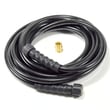
- Pressure washer hose 84006753 (fixes leaks, weak spray from hose failure)
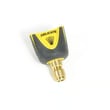
- Spray tips such as 195983TGS or a set like 314075GS (fixes poor pattern and pulsing from partial clogs)
- Unloader-related components when pressure surges (symptom-based diagnosis helps)
Why it matters
A gas pressure washer’s pump depends on consistent water flow and correct spray tip selection. Preventing dry-running, clearing clogs early, and replacing worn hoses/nozzles protects pressure output and extends pump life.
Last updated: February 2026
Does Craftsman have a lifetime warranty on pressure washers?
Craftsman does not provide a single lifetime warranty that automatically applies to every pressure washer; coverage depends on the specific product line and which component you are talking about (pressure washer frame, pump, or engine). For your Craftsman pressure washer model 580752920, we recommend confirming the exact warranty terms in the 580752920 owner's manual.
What warranty coverage usually looks like on gas pressure washers
Warranty terms vary by model and by component, so it is common to see different time periods for different assemblies.
- Engine coverage can differ from the rest of the unit because the engine manufacturer may set separate terms.
- Frame and chassis coverage is often longer than wear items.
- Pump and seals may have different coverage than the frame.
- Hoses, spray tips, and O-rings are often treated as wear items.
- Commercial use can change coverage compared to residential use.
How to confirm coverage for model 580752920
Use these steps to match your unit to the correct warranty statement and avoid surprises.
- Locate the model number 580752920 on the data label.
- Check the warranty section in the 580752920 owner's manual.
- Compare the warranty terms by component (engine vs. pressure washer assembly).
- Keep your proof of purchase; warranty periods typically start on the purchase date.
Quick checklist: what to have ready
- Model number: 580752920
- Serial number (from the data label)
- Purchase date and retailer
- Photos of the issue (leaks, broken fittings, no pressure)
Parts that are commonly replaced (and why that matters)
Even when a warranty applies, many performance issues are caused by normal wear or maintenance items. Having the right replacement part restores pressure and prevents pump damage.
| Symptom | Common cause | Example part for this model |
|---|---|---|
| Leaks at the hose connection | Worn hose or fitting | Pressure washer hose 84006753 |
| Poor spray pattern | Clogged or worn nozzle | Pressure washer spray nozzle set 314075GS |
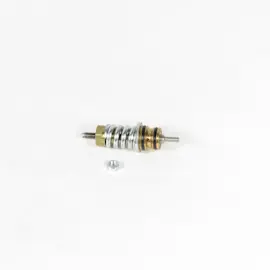
| Pressure surges or runs hot in bypass | Unloader valve issue | Pressure washer unloader valve |
Why it matters
Warranty coverage determines whether a repair is covered, but correct troubleshooting prevents repeat failures. For example, running with a restricted nozzle or a kinked hose can make the pump work harder and shorten pump life.
Last updated: February 2026
Is it worth repairing a pressure washer?
Yes, repairing a Craftsman pressure washer like model 580752920 is worth it when the problem is a wear item (hose, spray nozzle, small leak) and the engine and pump are still healthy; it is usually not worth it when the pump or engine has major internal damage and repair cost approaches replacement cost.
Quick way to decide (cost vs. value)
Use this simple rule: if the repair is under 30% to 50% of the cost of a comparable new gas pressure washer, repair is the better move; above that, replacement usually makes more sense.
- Worth repairing: leaks at fittings, worn spray tips, damaged high-pressure hose, loose mounting hardware
- Often not worth repairing: pump seizure, cracked pump head, repeated unloader failures plus low output, major engine compression issues
- Also consider: how often you use it, and whether you need the same PSI/GPM performance
| Situation | Typical outcome | Best next step |
|---|---|---|
| Hose/nozzle problem, unit otherwise runs strong | Low-cost fix, fast turnaround | Replace the wear part and test |
| Pressure surges or “hunting” but engine runs fine | Common pump control issue | Diagnose unloader/valves |
| Engine won’t start or loses power repeatedly | Can become time-consuming | Troubleshoot fuel/ignition first |
Common repairs that are usually cost-effective
These are the fixes we see most often that restore performance without major teardown:
- Replace a damaged high-pressure hose such as the pressure washer hose 84006753
- Swap clogged or worn tips using a pressure washer spray nozzle set 314075GS
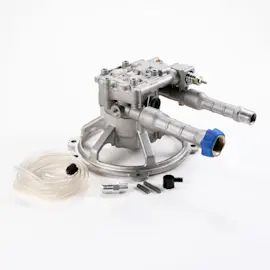
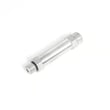
- Fix leaks and loose connections at the pump outlet using the Craftsman pressure washer outlet tube kit 201497GS
- Re-secure the pump with the pressure washer pump mounting hardware 315139GS
- Confirm correct setup, priming, and operating steps in the 580752920 owner's manual
When replacement is the smarter choice
Replacement is typically the better value when:
- The pump has internal damage (metal debris, seized pistons, cracked head)
- The engine has major mechanical wear (low compression, heavy oil burning)
- You have multiple failures at once (pressure loss plus leaks plus stalling)
- You need higher performance than this unit can deliver even after repair
Why it matters
A gas pressure washer’s pump and engine are the two highest-cost assemblies. Fixing wear items (hose, nozzle, fittings) keeps your Craftsman 580752920 running safely and at full pressure without sinking money into a major rebuild.
Last updated: February 2026
What is a good PSI for a gas pressure washer?
For a gas pressure washer like Craftsman model 580752920, a “good” PSI depends on what you’re cleaning: 2,000 to 3,000 PSI handles most home jobs, while 3,000 to 4,000 PSI is better for heavy-duty cleaning (with more risk of surface damage). For model-specific operating guidance, use the 580752920 owner's manual.
Recommended PSI by task
- Cars, grills, patio furniture: ~1,200 to 2,000 PSI (use a wider spray tip)
- Decks and fences (wood): ~1,500 to 2,500 PSI (test a small area first)
- Siding (vinyl, aluminum): ~2,000 to 2,800 PSI (keep distance to avoid forcing water behind panels)
- Driveways, sidewalks, brick: ~2,500 to 3,500 PSI
- Paint or rust removal: ~3,000 to 4,000 PSI (only when appropriate for the surface)
PSI is only half the story (PSI vs GPM)
Higher PSI increases cutting power, but GPM (flow rate) often determines how fast you rinse and how quickly you finish the job.
| What you want | Prioritize | Typical result |
|---|---|---|
| Remove stuck-on grime | Higher PSI | More “bite” at the surface |
| Clean large areas faster | Higher GPM | Faster rinsing and coverage |
| Avoid damage | Lower PSI + correct nozzle | Better control |
How to choose the right spray tip
Using the correct nozzle matters as much as PSI.
- Start with a wider fan tip for safer cleaning
- Increase aggressiveness only if needed
- If spray pattern is uneven or you have poor cleaning power, replace worn tips such as the pressure washer spray nozzle 195983TGS or use a matched set like the pressure washer spray nozzle set 314075GS
Why it matters
Too much PSI can etch concrete, shred wood fibers, strip paint, and force water into places it should not go. Matching PSI and nozzle choice to the surface gives better results and helps protect your pump, hose, and wand.
Last updated: February 2026
What is the life expectancy of a pressure washer?
A typical gas pressure washer like the Craftsman 580752920 lasts 5 to 7 years with normal homeowner use; with consistent maintenance and proper storage, many units reach 10+ years. Lifespan is driven more by operating hours, pump care, and winterizing than by calendar age.
Typical lifespan ranges (what we see most often)
- Entry-level residential: 1 to 3 years (light-duty pumps, minimal maintenance)
- Mid-grade residential gas: 5 to 7 years (common for many Craftsman-style units)
- Well-maintained, higher-quality units: 10+ years
- Hours-based rule of thumb: roughly 500 to 2,000+ operating hours depending on pump design and upkeep
| Pressure washer type | Typical life expectancy | What usually ends life first |
|---|---|---|
| Electric residential | 3 to 5 years | Motor, pump seals, overheating |
| Gas residential | 5 to 7 years | Pump wear, unloader issues, engine fuel problems |
| Prosumer/commercial | 8 to 12+ years | Pump rebuild cycle, engine wear |
What extends life the most
- Change engine oil on schedule and keep the correct oil level
- Never run the pump dry; always confirm water supply and purge air before starting
- Use the correct spray tip and avoid dead-heading (trigger off) for long periods
- Flush detergent/chemical after use to protect seals and valves
- Winterize before freezing temps (pump saver/antifreeze method per the 580752920 owner's manual)
Parts that commonly affect “end of life” decisions
These parts do not set the lifespan by themselves, but failures here often determine whether a repair is worth it:
- High-pressure hose leaks or bursts: Pressure washer hose 84006753
- Pressure spikes or surging: unloader valve wear (see how to replace a pressure washer unloader valve)
- Low pressure from pump issues: check valves, seals, or pump wear
Why it matters
Pressure washers usually fail from storage damage (freezing, stale fuel) or pump stress (no water flow, wrong nozzle, long trigger-off time). Preventing those issues protects the pump and engine, which are the two most expensive systems on a gas pressure washer.
Last updated: February 2026
What kind of gas goes in a Craftsman 580752920 pressure washer?
For the Craftsman 580752920 gas pressure washer, we use clean, fresh unleaded gasoline with a minimum 87 octane (87 AKI). Avoid old fuel and avoid gasoline blended with more than 10% ethanol because it commonly causes hard starting and rough running.
Fuel guidelines we follow
- Use fresh unleaded gasoline, 87 octane (87 AKI) or higher
- Use fuel from a busy station; it is less likely to be stale
- Keep the fuel can sealed to reduce moisture contamination
- If the unit will sit for 30 days or more, drain the tank or treat fuel with stabilizer
- Never mix oil into the gas (this is a 4-cycle engine setup)
Quick checklist before you fill the tank
- Shut the engine off and let it cool.
- Move the pressure washer to a well-ventilated area.
- Wipe dirt away from the fuel cap area.
- Fill slowly and stop below the filler neck to allow expansion.
- Tighten the cap and wipe up any spills.
Common fuel problems and what they look like
| Symptom | Most common fuel-related cause | What to do next |
|---|---|---|
| Won’t start | Stale gas or water in fuel | Drain and refill with fresh 87 octane; check spark plug and air filter next |
| Surges or hunts | Ethanol-related varnish in carburetor | Replace fuel, run fresh gas through; clean carburetor if needed |
| Loses power under load | Restricted fuel flow | Check tank venting and fuel line routing; refresh fuel |
Why it matters
Correct fuel protects the carburetor and helps the engine maintain steady RPM, which keeps pump pressure stable and reduces wear on the unloader valve and spray nozzle.
For model-specific operating notes (fuel handling, storage, and starting steps), follow the 580752920 owner’s manual. If you are troubleshooting performance after refueling, use our pressure washer won’t start guide for the most common checks.
Last updated: February 2026
What model number is the Craftsman 580752920?
The model number for this Craftsman gas pressure washer is 580752920. Use that full model number when ordering parts, matching diagrams, or checking operating details in the 580752920 owner's manual.
Where to find the model number on the unit
On most Craftsman gas pressure washers, the model number is printed on a rating label. Check these common spots:
- On the frame near the handle or base
- Near the pump mounting area
- On the engine shroud (sometimes separate engine model information)
- On a label close to the hose connection or outlet tube
Why the exact model number matters
Pressure washer parts and fittings can look similar but differ by thread type, connection style, or pump configuration. Using 580752920 helps ensure you get the correct match for items like hoses, nozzles, and pump hardware.
Examples of model-matched parts for 580752920
| Part type | Example part name | Part ID |
|---|---|---|
| High-pressure hose | Pressure washer hose | 84006753 |
| Nozzle kit | Pressure washer spray nozzle set | 314075GS |
| Pump hardware | Pressure washer pump mounting hardware | 315139GS |
Quick ordering checklist (before you buy)
- Confirm the label shows 580752920 (all digits)
- Identify the part by name and location in the diagrams
- Compare connection points (hose ends, quick-connects, pump outlet)
- If replacing pump-related items, inspect for leaks or damaged O-rings at the same time
Why it matters
A single digit off in a model number can route you to a different pressure washer family and the wrong parts list. Verifying 580752920 first saves time and prevents returns.
Last updated: February 2026
Where to find model number on Craftsman power washer?
On a Craftsman pressure washer like model 580752920, the model number is printed on a rating label (sticker or metal tag) attached to the frame. We most often see it on the back side of the lower frame or on the upper frame near the handle; confirm the exact location using the 580752920 owner's manual.
Common places to check on model 580752920
Look for a rectangular label with the model number and other specs.
- Back of the lower frame rail (near the base)
- Top of the lower frame (behind the pump area)
- Back of the upper frame (near the handle uprights)
- Top of the upper frame crossbar
- Near the engine mounting plate (on the frame, not on the hose)
Quick tips to spot the label faster
- Wipe dirt and oil off the frame with a rag; labels are easy to miss when dusty
- Use a flashlight and look along the inside faces of the frame tubing
- Tilt the unit back slightly (engine off, cool) to view the underside of the base area
- If the label is scratched, take a photo and zoom in to read faint characters
What the label usually includes (and why it matters)
The model number helps us match the correct pump parts, spray tips, and fittings for your exact pressure washer.
| Label item | What it’s used for | Example of when you need it |
|---|---|---|
| Model number | Identifies the exact unit | Ordering the correct pressure washer hose 84006753 |
| Serial number | Tracks production run | Confirming compatible hardware revisions |
| PSI/GPM ratings | Confirms performance specs | Choosing the right spray nozzle set |
Why it matters
Using the correct model number prevents mismatched parts and connection issues, especially with high-pressure components like the pump outlet tube and hose fittings.
Last updated: February 2026