 Installation guide
 Owner’s manual
How big of an AC unit is needed for a 2000 sq ft house?
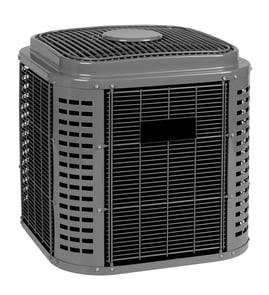
For a 2,000 sq ft house, most homes land in the 3 to 4 ton range (about 36,000 to 48,000 BTU/hr), but the right size depends on your insulation, windows, ceiling height, and climate. Your Carrier 38HDC048 is a 4.0 ton outdoor unit, so it fits the upper end of that common range.
Quick sizing guidance (what usually works)
Use these as planning numbers, then confirm with a load calculation:
- Well-insulated, shaded, efficient windows: often 3.0 to 3.5 tons
- Average insulation and typical sun exposure: often 3.5 tons
- Hot climates, lots of glass, poor insulation, high ceilings: often 4.0 tons
- Major duct leakage or undersized ducts: sizing alone will not fix comfort issues
- Humidity problems: slightly smaller equipment with longer run times can dehumidify better
Why “bigger” is not better
An oversized central air conditioner can cool the air quickly but leave comfort and efficiency problems.
- Short cycling increases wear on the compressor and contactor
- Higher indoor humidity (less run time means less moisture removal)
- Uneven temperatures from room to room
- Noisy starts and stops
- Lower real-world efficiency
What we know about the Carrier 38HDC048
From the installation documentation, the 38HDR/38HDC family physical data table lists size 048 as 4.0 tons.
| Home and system factor | Tends to push size | What to check |
|---|---|---|
| Strong insulation, air sealing | Down | Attic insulation depth, blower door results if available |
| Large west-facing windows | Up | Window area, shading, blinds/films |
| High ceilings/open floor plan | Up | Ceiling height and open-to-upstairs areas |
| Humid climate | Down slightly | Indoor RH target (often 45% to 55%) |
Best next step: confirm with a load calculation
A Manual J style load calculation is the correct way to size equipment for a 2,000 sq ft home because it accounts for your actual heat gain and duct conditions. For wiring, electrical, and setup details that affect performance, use the installation guide for the 38HDC048.
Why it matters
Correct sizing protects the compressor, improves humidity control, and helps your system hit its rated efficiency without constant cycling or nonstop running.
Last updated: February 2026
What is the average cost of a central air conditioning system?
The average installed cost of a central air conditioning system typically lands in the mid-thousands, with the final price driven most by system size (tons), efficiency rating (SEER2), ductwork condition, and electrical upgrades. For Carrier model 38HDC048, use the sizing and electrical requirements in the installation guide to plan accurately.
Typical cost ranges (installed)
These are common U.S. price bands for a complete central AC replacement (equipment + labor):
- Budget: $5,000 to $8,000 (basic efficiency, straightforward swap)
- Mid-range: $8,000 to $12,000 (higher efficiency, some duct or electrical work)
- Premium: $12,000 to $18,000+ (top efficiency, complex install, major ductwork)
What changes the price the most
- Capacity (tons/BTU): Larger systems cost more to buy and install
- Efficiency (SEER2): Higher efficiency equipment costs more up front
- Ductwork: Repairs, resizing, sealing, or replacement can add significant cost
- Electrical work: New disconnect, breaker, wiring, or service upgrades
- Refrigerant line set: Reuse vs. replace; length and routing complexity
- Labor complexity: Pad, clearances, crane access, and code requirements
Model-specific planning notes for Carrier 38HDC048
Your installation specs help estimate labor and materials. For example, the installation information calls out items such as:
| Item | What to plan for | Why it affects cost |
|---|---|---|
| Control voltage | 24 VAC control circuit | Thermostat and control wiring requirements |
| System voltage options | 208/230 V (and some configurations may support 460 V) | Breaker, wiring gauge, and disconnect sizing |
| Refrigerant line limits | Max length and lift/drop limits are specified | Long runs can increase labor and materials |
Why it matters
A central AC price is not just the outdoor condenser. Matching capacity, electrical requirements, and refrigerant line constraints to your home prevents repeat service calls, poor cooling, and premature compressor wear.
Last updated: February 2026
What is the average lifespan of a central air conditioning unit?
Most central air conditioning units last 15 to 20 years with normal use and consistent maintenance. For your Carrier 38HDC048 central air conditioner, keeping airflow clean and electrical components protected is what most directly affects service life; see the maintenance and safety guidance in the owner's manual.
Typical lifespan ranges (what to expect)
| Unit situation | Typical lifespan | What usually shortens it |
|---|---|---|
| Well-maintained central AC | 15 to 20 years | Dirty coils, restricted airflow, electrical stress |
| Poorly maintained or harsh conditions | 10 to 15 years | Corrosion, frequent cycling, overheating |
Maintenance that most extends lifespan
We see the biggest longevity gains from these basics:
- Keep the outdoor coil and surrounding area clear so the condenser can reject heat.
- Replace or clean indoor air filters on schedule to prevent low airflow and coil icing.
- Keep supply and return vents open and unobstructed.
- Maintain proper refrigerant charge (low charge can overwork the compressor).
- Protect electrical connections from moisture and heat damage.
Signs it is nearing end of life
These symptoms often show up as a unit ages:
- Cooling takes longer than it used to, especially on hot afternoons.
- Frequent breaker trips or intermittent outdoor unit operation.
- Unusual noises (buzzing, hard starts, or repeated clicking at the outdoor unit).
- Rising energy bills with no change in thermostat settings.
- Repeated repairs in the same season.
Why it matters
A central AC that is past its prime often runs longer cycles and puts more strain on the compressor and fan motor. That extra stress can turn a small airflow or electrical issue into a no-cool breakdown during peak summer demand.
Last updated: February 2026
What is the most expensive part to replace on an AC unit?
On a Carrier central air conditioner like model 38HDC048, the most expensive single component to replace is typically the compressor because it is the sealed-system “pump” that moves refrigerant and often drives the highest labor and refrigerant-handling costs. Confirm your unit’s exact configuration in the owner's manual.
Typical “most expensive” parts (and why)
- Compressor: sealed-system component; replacement often includes refrigerant recovery/charging and electrical checks.
- Condenser coil (outdoor coil): large, labor-intensive repair; leaks can require sealed-system work.
- Evaporator coil (indoor coil): can be costly when access is difficult or when refrigerant work is needed.
- Control board or defrost/logic controls (model-dependent): can be expensive on some systems.
- Contactor, capacitor, fan motor: usually not the most expensive, but common failures.
What usually drives the total cost
| Cost driver | Why it matters | Examples |
|---|---|---|
| Sealed-system labor | Requires refrigerant handling and specialized tools | Compressor, coil replacement |
| Parts availability | Older models can have fewer direct replacements | Compressor/coil options |
| Electrical troubleshooting time | Safety devices can stop operation and mimic part failure | Pressure switches, internal overloads |
| Access and installation complexity | More disassembly increases labor | Indoor coil access, line set work |
Before replacing a “big ticket” part
The installation guide for this equipment notes that safety devices and controls can interrupt 24-volt control power to stop the compressor and outdoor fan; it also calls out checking safety devices before replacing certain controls. Use these checks to avoid replacing the wrong part:
- Verify the thermostat is calling for cooling (24 V on “Y”).
- Inspect for obvious wiring damage and tight connections.
- Check whether a safety device (high-pressure or low-pressure switch) opened.
- Confirm the compressor overload is not tripped from overheating.
- If you test electrical components, follow safe meter practices from how to use a multimeter to test electrical parts video.
Why it matters
A compressor replacement can approach the cost of a major system upgrade, so accurate diagnosis is critical. The documentation also emphasizes that air conditioning equipment involves system pressure and electrical components, and only trained personnel should perform service beyond basic maintenance. Review safety and operating guidance in the installation guide.
Last updated: February 2026