Owner’s manual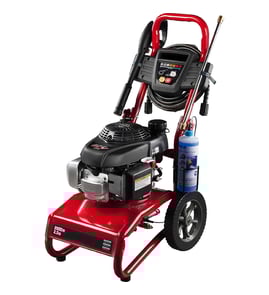



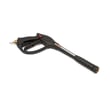
What is a good PSI for a gas pressure washer?
For a gas pressure washer like Craftsman model 580752990, a “good” PSI depends on what you’re cleaning: 2,000 to 3,000 PSI handles most home jobs, while 3,000 to 4,000+ PSI is better for heavy-duty concrete and paint prep. Always match PSI to the surface to avoid damage.
PSI recommendations by job
- 1,200 to 2,000 PSI: vehicles, patio furniture, grills, delicate surfaces
- 2,000 to 3,000 PSI: decks, fences, siding (most homeowner cleaning)
- 3,000 to 4,000+ PSI: driveways, masonry, stripping stubborn buildup (use extra caution)
- Lower PSI with the right nozzle often cleans better than “max PSI” with the wrong tip
- Distance matters: start farther away and move closer only as needed
Quick guide: PSI, nozzle, and risk
| Task | Typical PSI range | Common risk if PSI is too high |
|---|---|---|
| Washing a car | 1,200 to 1,900 | Paint damage, forcing water into seals |
| Cleaning a deck | 1,800 to 2,500 | Furring wood, gouging boards |
| Siding | 1,500 to 2,500 | Water intrusion behind panels |
| Concrete | 2,800 to 4,000+ | Etching softer concrete, striping |
How to choose the “right” PSI (what we recommend)
- Pick the lowest PSI that removes dirt in a reasonable time
- Use a wider spray pattern first; narrow patterns concentrate force
- Test on an inconspicuous spot before doing the full surface
- Avoid holding the spray in one spot; keep the wand moving
- Follow the operating and safety guidance in the 580752990 owner’s manual
Why it matters
Using more PSI than the job needs can damage wood, strip paint, etch concrete, and force water into places it should not go. Matching PSI, nozzle choice, and spray distance gives better cleaning results and helps your pump, gun, and seals last longer.
Last updated: January 2026
What type of gas does my pressure washer use?
Your Craftsman pressure washer model 580752990 uses clean, fresh unleaded gasoline, typically 87 octane (87 AKI) or higher. Gasoline blended with up to 10% ethanol (E10) is commonly acceptable; avoid stale fuel and higher-ethanol blends for best starting and performance.
Fuel requirements and what to avoid
Use these guidelines to prevent hard starting, surging, and carburetor varnish.
- Use unleaded gasoline (regular is fine)
- Choose fresh fuel (ideally less than 30 days old, unless treated)
- E10 (10% ethanol) is typically OK
- Avoid E15/E85 and other high-ethanol fuels
- Avoid old fuel that smells sour or looks dark
- Do not mix oil into the gas unless your engine specifically calls for a fuel mix
Quick reference table
| Fuel item | Recommended for 580752990 | Notes |
|---|---|---|
| Octane rating | 87 AKI (or higher) | Higher octane does not add cleaning power, it just resists knock |
| Ethanol content | Up to 10% (E10) | Higher ethanol can cause starting and running issues |
| Fuel freshness | Fresh | Old fuel is a top cause of no-start complaints |
| Fuel stabilizer | Helpful | Especially for storage or infrequent use |
Why it matters
Gas pressure washers sit between uses, so fuel can degrade and leave deposits that restrict the carburetor and fuel system. Using fresh unleaded gas and the correct ethanol blend helps the engine start easier and maintain steady power under load.
Where to confirm the exact spec for your engine
Fuel requirements can vary slightly by the specific engine version installed on this model. We recommend checking the Craftsman 580752990 owner’s manual for the exact fuel guidance and storage recommendations.
Last updated: January 2026
What is a good GPM for a 3000 PSI pressure washer?
For a 3000 PSI pressure washer, 2.5 to 3.5 GPM is the sweet spot for most homeowner cleaning; 3.5 GPM finishes jobs faster because it rinses better. For Craftsman model 580752990, use the rated PSI and GPM on the unit’s data label and the Craftsman 580752990 owner’s manual to match tips and accessories correctly.
What GPM means at 3000 PSI
GPM is the amount of water the pump delivers; more GPM usually means faster cleaning and faster rinsing. PSI is the spray force; it affects how easily you can damage wood, paint, or soft stone if you use the wrong spray tip.
- 2.0 to 2.5 GPM: light-duty tasks (cars, patio furniture)
- 2.5 to 3.5 GPM: most homeowner work (driveways, siding, fences)
- 4.0+ GPM: faster production cleaning (large areas, frequent use)
Quick comparison
| GPM at 3000 PSI | What you’ll notice | Typical use |
|---|---|---|
| 2.5 | Slower rinsing, more passes | Small areas, occasional cleaning |
| 3.0 to 3.5 | Faster coverage and rinsing | Most homeowner projects |
| 4.0+ | Very fast, high water demand | Large areas, frequent use |
How to control “real-world” pressure
You control how aggressive the spray feels with the spray tip (orifice size and fan angle) and your technique.
- Start with a wider fan tip; step down only if needed
- Increase distance before switching to a narrower tip
- Keep the wand moving to avoid etching
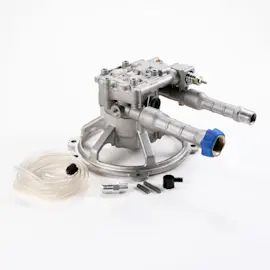
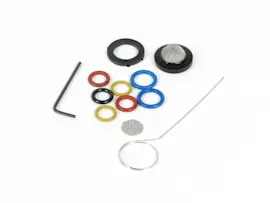
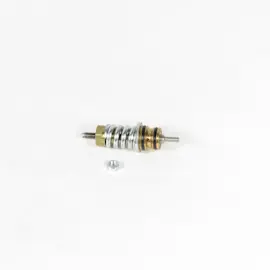
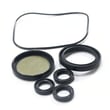
- If pressure surges or won’t regulate, inspect the unloader and seals; the pressure washer unloader valve seat 202902GS and troybilt pressure washer pump seal kit 198845GS are common service items
Why it matters
At the same PSI, moving up in GPM is the biggest real-world upgrade because it reduces cleaning time and helps prevent striping by improving rinsing.
Last updated: January 2026