


What is the spec of WMH32519HZ10?
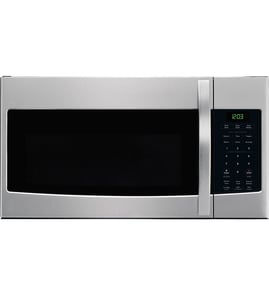
The Whirlpool WMH32519HZ10 microwave/hood combo is a 1.9 cu. ft. over-the-range microwave rated at 1,000 cooking watts with a 3-speed, 300 CFM venting system, plus a turntable, cooktop lighting, and steam cooking features.
Key specs at a glance
- Type: Over-the-range microwave/hood combo
- Capacity: 1.9 cu. ft.
- Cooking power: 1,000 watts
- Ventilation: 3-speed, 300 CFM
- Cooking features: Steam cooking, cooking rack, turntable plate
- Lighting: Cooktop lighting
What these specs mean for everyday use
These specs tell you how the WMH32519HZ10 performs in two main jobs: cooking and ventilation.
- 1.9 cu. ft. capacity fits most standard dinner plates and common microwave cookware.
- 1,000 watts supports faster reheating and more even cooking than lower-watt models.
- 300 CFM venting is designed for typical day-to-day stovetop smoke and steam; it is a practical match for many electric and gas ranges.
Common part-related specs customers ask about
If you are confirming fit or replacing maintenance items, these model-matched parts are commonly referenced:
| What you are checking | What to look for on WMH32519HZ10 | Example model-matched part |
|---|---|---|
| Grease filtration | Mesh grease filter under the microwave | Filter W10208631A |
| Cooktop light type | Lamp behind the light lens under the unit | Halogen g9 lamp 120v/40w 60hz W11520384 |
| Mounting hardware fit | Back plate that supports wall mounting | Microwave mounting plate W11025649 |
Why it matters
Matching the correct capacity, wattage, and venting (CFM) helps you choose the right replacement parts and set realistic expectations for cooking speed and how well the hood clears smoke and odors.
Last updated: February 2026
How can I tell what size my microwave is?
For your Whirlpool WMH32519HZ10 microwave/hood combo, “size” usually means two things: the exterior dimensions (so it fits your cabinet space) and the interior capacity in cubic feet (so it fits your cookware). We recommend measuring the outside first, then confirming the capacity from the model’s specs.
Measure the exterior size (what matters for fit)
Use a tape measure and record these three numbers in inches:
- Width: measure across the front edge of the microwave
- Height: measure from the bottom to the top of the outer case
- Depth: measure from the back to the front of the door (include the handle if it sticks out)
- Clearance: note space above and on the sides for airflow and mounting
Quick fit check (common over-the-range sizes)
Most over-the-range microwaves are designed around standard cabinet widths.
| What you’re checking | Typical range | Why it matters |
|---|---|---|
| Cabinet opening width | 30 in (most common) | Determines whether the unit lines up with cabinets |
| Exterior width | About 29 to 30 in | Confirms it will physically fit |
| Depth (front to back) | About 15 to 17 in | Helps avoid door/handle interference |
Identify the interior capacity (what matters for cooking space)
Interior capacity is measured in cubic feet. If you do not have the spec label handy, a practical way to judge capacity is by what fits comfortably:
- Small bowls and plates fit easily in most sizes
- Large dinner plates need enough turntable diameter and interior height
- Tall mugs and covered dishes need extra interior height
Where to look for the model’s size information
On many Whirlpool over-the-range units, the rating label is inside the door area or on the frame.
- Check the inside frame when the door is open
- Look for a label listing model and electrical ratings
- Use the exact model number WMH32519HZ10 when matching specs and parts
Why it matters
Getting the correct size prevents installation surprises (cabinet fit, vent alignment) and helps you choose accessories like a grease filter or lighting that matches your exact configuration.
If you are replacing a vent or hood-related component while confirming fit, match parts by model; for example, the microwave mounting plate W11025649 is model-specific.
Last updated: February 2026
What is the average life of a Whirlpool microwave?
A Whirlpool microwave typically lasts 7 to 10 years. For a Whirlpool microwave/hood combo like WMH32519HZ10, lifespan depends most on daily run time, keeping the venting and filters clean, and avoiding overheating; heavy use can shorten life, while light use and good airflow can extend it.
Typical lifespan and what affects it
Most failures we see fall into a few predictable categories:
- High use (multiple long cook cycles per day) shortens life faster than occasional reheating.
- Poor airflow (blocked grease filter or recirculation filter) increases heat stress on electronics.
- Power issues (surges, frequent breaker trips) can damage the control board.
- Door slamming can wear door switches and interlocks.
- Grease buildup can cause arcing, odors, and fan performance problems.
Signs it is nearing end of life
If your WMH32519HZ10 shows these symptoms repeatedly, repair or replacement becomes more likely:
- Food takes much longer to heat than it used to
- Loud humming or buzzing during heating
- Keypad or display becomes intermittent
- Fan runs but airflow is weak (especially over the cooktop)
- Unit goes dead or blows power when starting
Common parts tied to “no heat” or “dead” symptoms
Some repairs are straightforward; others involve high-voltage components that should be handled by a qualified technician.
| Symptom | Common area to check | Example part for WMH32519HZ10 |
|---|---|---|
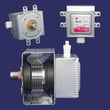
| Runs but does not heat | High-voltage system | Microwave magnetron W10754299 |
| Completely dead | Line fuse, door switches | Microwave fuse W11707984 |
| Starts then stops, door-related issues | Door interlock/switches | Assembly, lower interlock (includes switches) W11551761 |
| Poor venting over range | Grease filter and airflow | Filter W10208631A |
Why it matters
Microwaves that overheat or have weak airflow tend to fail earlier because heat is hard on the control board, wiring, and high-voltage components. Keeping the venting system clean is one of the simplest ways to protect the magnetron and electronics.
For troubleshooting steps, we recommend starting with why is my microwave not heating.
Last updated: February 2026
What are common problems with Whirlpool microwaves?
Whirlpool microwaves (including model WMH32519HZ10) most often fail due to power and door-switch issues, ventilation and grease buildup, or heating-circuit failures that stop warming food. Many symptoms have simple causes, but heating problems can involve high-voltage parts that require careful, safe diagnosis.
Most common symptoms we see
- Microwave runs but does not heat (fan and light work, food stays cold)
- Dead or no power (no display, no interior light)
- Starts then stops (often door-switch or latch related)
- Buttons or display not responding (control lock, keypad, or control board issues)
- Loud buzzing or unusual noise (turntable drive, fan, or internal electrical issue)
- Sparking or arcing (metal in cavity, damaged waveguide cover, or burned interior spot)
Quick checks before replacing parts
- Confirm the outlet has power; reset the breaker if needed.
- Make sure the door closes firmly and the latch area is clean.
- If the unit is “running” but not heating, stop using it until you identify the cause.
- Clean the hood filters and confirm airflow is not restricted.
- If you see arcing, remove any metal racks/foil and inspect the cavity for burn marks.
Parts commonly involved (WMH32519HZ10)
| Symptom | Common suspect | Example part for this model |
|---|---|---|
| No power, intermittent power | Line fuse | Microwave fuse W11707984 |
| Starts then stops, won’t start | Door interlock/switch system | Interlock WPW10156813 or assembly, lower interlock (includes switches) W11551761 |
| Runs but won’t heat | High-voltage heating circuit | Microwave magnetron W10754299 or gaoxin-hvd c W11256462 |
| Poor venting, greasy air | Grease filter clogged | Filter W10208631A |
Why it matters
A microwave that will not heat often points to the high-voltage circuit (magnetron, diode, capacitor, transformer). Those components can store dangerous energy even when unplugged, so we treat “no heat” and “dead unit” symptoms as safety-first troubleshooting situations.
Helpful DIY guides
- Use why is my microwave not heating to narrow down “runs but cold” symptoms.
- If you suspect a blown fuse, follow how to replace a microwave fuse.
- For sparking or burn marks, use how to repair arc or burn marks in a microwave video.
Last updated: February 2026