What is an S-blade on a food processor?
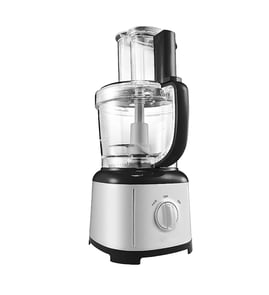
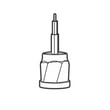
An S-blade on a food processor is the curved, metal multi-purpose blade used for everyday chopping, mixing, and pureeing. On KitchenAid model KFP0918CU0, it is the primary blade you install on the center shaft when you are not using a slicing or shredding disc.
What the S-blade is used for
- Chopping vegetables, nuts, herbs, and cooked meats
- Mixing thicker mixtures (for example, dips and spreads)
- Pureeing sauces and soft foods
- Making crumbs from bread or crackers
- Emulsifying mixtures (for example, dressings) with short pulses
S-blade vs. discs (quick comparison)
| Attachment type | Best for | Typical result |
|---|---|---|
| S-blade (multi-purpose blade) | Chopping, mixing, pureeing | Variable texture (fine to coarse) |
| Slicing disc | Uniform slices | Even thickness slices |
| Reversible disc | Shredding or slicing (depending on side) | Consistent shreds or slices |
Parts that relate to blade use on KFP0918CU0
If your results are uneven or the processor struggles, check that the bowl and lid are fully seated and the correct attachment is installed.
- Food processor multi-purpose blade W11239491: the S-blade style blade for chopping and pureeing
- Food processor bowl lid W11551396: helps engage the safety interlock so the unit can run
- Bowl W11319172: supports proper alignment of the blade and center shaft
Why it matters
Using the correct attachment protects the motor, improves consistency, and reduces the chance of food getting trapped under the blade. The S-blade is the right choice when you want controlled texture using pulse bursts rather than uniform slices.
Last updated: January 2026
What is the life expectancy of a food processor?
A KitchenAid food processor like model KFP0918CU0 typically lasts 7 to 10 years with normal home use. With consistent cleaning, careful handling of the bowl and lid, and avoiding overloads, many units run 10+ years before performance or safety issues make replacement the better choice.
Typical lifespan by use level
- Light use (a few times per month): 10 to 15 years
- Moderate use (weekly): 7 to 10 years
- Heavy use (multiple times per week, dense doughs often): 5 to 8 years
What usually ends a food processor’s life
Most “failures” are actually worn accessories or safety-fit issues, not the motor itself.
- Cracked or cloudy bowl that no longer locks securely
- Lid latch or feed tube wear that prevents safe operation
- Dull or nicked blade that strains the motor
- Leaking around the bowl interface (food gets into the drive area)
- Motor slowing, overheating smell, or intermittent power
Parts that can extend the life of KFP0918CU0
If the base still runs strong, replacing common wear items often restores performance.
- Food processor bowl lid W11551396 (fixes many “won’t start” lock and fit problems)
- Bowl W11319172 (replaces cracked or warped bowls)
- Food processor multi-purpose blade W11239491 (improves chopping and reduces strain)
- Food processor pusher assembly W11569314 (helps feed food evenly and safely)
Quick “repair vs replace” guide
| What you notice | Most likely fix | Replace the whole unit when |
|---|---|---|
| Won’t start but motor sounds fine when engaged | Lid or bowl fit issue | Base has intermittent power or burning smell |
| Poor chopping, mushy results | New blade | Motor bogs down on soft foods |
| Bowl cracked or won’t lock | New bowl | Multiple accessories no longer fit correctly |
Why it matters
A food processor relies on tight bowl and lid interlocks for safe operation. When those parts wear or crack, the machine may stop starting, leak, or run inconsistently. Keeping the bowl, lid, and blade in good shape protects the motor and extends overall life.
Last updated: January 2026
How do I find the model number on my KFP0918CU0?
Your KitchenAid food processor model number is printed on the appliance’s rating label. On KFP0918CU0 units, the label is typically on the underside of the motor base or on the bottom surface near the feet; unplug the unit, turn it over carefully, and read the full model number.
Where to look on a KitchenAid food processor
Check these common label locations:
- Underside of the motor base (most common)
- Bottom edge of the base near the rubber feet
- Back of the base near the cord exit
- Inside a recessed area on the bottom plate
What to write down (so parts match)
Record the information exactly as shown on the label:
- Full model number (example: KFP0918CU0)
- Any additional digits after the model number (if shown)
- Serial number (helps confirm production run)
- Electrical rating (volts/amps), if listed
| Label item | Why it matters |
|---|---|
| Model number | Ensures diagrams and parts fit your exact food processor |
| Serial number | Helps confirm version changes within the same model |
| Electrical rating | Useful when diagnosing power or motor issues |
If the label is hard to read
Try these quick fixes:
- Wipe the label with a damp cloth, then dry it
- Use a flashlight at an angle to make faint print stand out
- Take a close-up photo and zoom in
- If the label is worn off, match parts by comparing your components to the parts list (for example, the food processor bowl lid W11551396 or bowl W11319172)
Why it matters
KitchenAid often makes small design changes within a model family. Using the exact KFP0918CU0 model number helps us match the correct bowl, lid, blade, disc, or adapter so everything locks in and runs safely.
Last updated: March 2026