
How much does a 96 furnace cost?
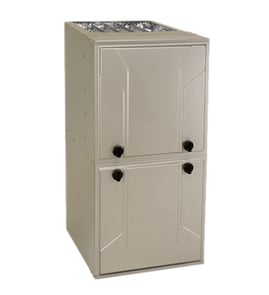
A 96% AFUE (high-efficiency) gas furnace typically costs $4,000 to $12,000 installed in most U.S. homes. For a York upflow natural gas furnace like model P3URC14N09501B, your final price mainly depends on sizing, venting/condensate work, and local labor rates.
What drives the installed price
A 96% furnace is a condensing design, so installation details often matter as much as the equipment.
- Furnace size (BTU output): larger homes need larger capacity and sometimes upgraded ductwork
- Venting changes: PVC intake and exhaust routing, terminations, and clearances
- Condensate drain setup: trap, drain routing, pump (if needed), and freeze protection
- Gas line and shutoff: resizing, sediment trap, and code-required fittings
- Electrical and controls: new disconnect, wiring repairs, thermostat compatibility
- Airflow and ductwork: static pressure issues, return sizing, filter rack changes
Typical cost ranges (equipment vs. installed)
These ranges help you sanity-check quotes for a 96% AFUE replacement.
| Cost item | Typical range | Notes |
|---|---|---|
| Furnace equipment only | $2,000 to $6,000 | Varies by brand tier and features (staging, ECM blower) |
| Standard install labor | $2,000 to $6,000 | Removal, set, connect, startup, basic venting |
| Common add-ons | $300 to $2,500 | Condensate pump, duct mods, electrical, vent reroute |
| Total installed | $4,000 to $12,000 | Most homeowners land mid-range with a straightforward swap |
Quick checklist for comparing quotes
Use this list to make sure you are comparing the same scope of work.
- Model and AFUE rating listed clearly (96% or higher)
- BTU input and output match your home load calculation
- Venting and condensate work included (materials and labor)
- New filter setup specified (size and type)
- Startup includes combustion check and temperature rise verification
- Permits and haul-away included (if required in your area)
Why it matters
A 96% furnace can lower fuel use, but only when it is correctly sized and installed with proper venting and condensate drainage. Paying for the right scope up front prevents nuisance shutdowns, water leaks, and comfort problems.
For help identifying the exact model number on your unit before ordering parts or comparing replacements, use how to find your appliance model number (and what it means for parts).
Last updated: February 2026
What is the most common part to fail on a furnace?
The most common “failure point” on a York P3URC14N09501B upflow natural gas furnace is usually airflow related: a clogged air filter restricts airflow, overheats the furnace, and trips safety limits so heat shuts off. After that, ignition and flame-sensing components are the next most frequent culprits.
Most common issues (in order we see most often)
- Dirty air filter: causes overheating and repeated safety shutdowns
- Flame sensor: gets coated and stops proving flame (burners light, then shut off)
- Igniter (hot surface igniter) or pilot/ignition system issue: no ignition or delayed ignition
- Thermostat or low-voltage control issue: dead batteries, loose wires, wrong settings
- Blown fuse or tripped breaker: furnace appears “dead”
- Condensate drain/pump problem (if applicable): water safety switch opens and stops heat
Quick checks you can do safely
- Set thermostat to HEAT and raise setpoint 3 to 5 degrees.
- Replace the air filter (most homes need it every 1 to 3 months).
- Check the furnace switch and electrical panel for a tripped breaker.
- Look for a blinking LED on the control board (often indicates a fault code).
- If you’re comfortable testing, use a meter to check for a blown low-voltage fuse.
For basic electrical testing skills, we recommend how to use a multimeter to test electrical parts video.
Symptom-to-likely-cause guide
| What you notice | Most likely cause | What it affects |
|---|---|---|
| Fan runs, little or no heat | Dirty filter, limit switch tripping | Airflow and safety shutdown |
| Burners light then shut off in 2 to 10 seconds | Dirty flame sensor | Flame proving |
| Clicking but no flame | Igniter/ignition issue, gas supply issue | Ignition sequence |
| Completely dead (no response) | Breaker, switch, fuse, transformer | Power to controls |
Why it matters
Restricted airflow does not just stop heat; it also drives higher temperatures inside the furnace, which increases wear on safety limits, the blower system, and ignition components. Keeping airflow correct is the simplest way to prevent nuisance shutdowns and protect the heat exchanger.
Last updated: February 2026
What does code 3 mean on a furnace?
On a York P3URC14N09501B upflow natural gas furnace, a “code 3” (often shown as 3 flashes) commonly points to an airflow or safety-switch problem, most often involving the pressure switch circuit or venting/inducer draft. The furnace stops the ignition sequence to prevent unsafe operation.
What “code 3” usually indicates
Different furnace control boards use different flash-code charts, but code 3 is most often tied to one of these conditions:
- Pressure switch not closing (draft not proven)
- Pressure switch stuck closed (switch state is wrong at startup)
- Blocked intake or exhaust vent (snow, leaves, nests, sagging pipe, condensate blockage)
- Inducer motor not running or not moving enough air
- Cracked, loose, or water-filled pressure switch hose
- Drain/condensate issue on high-efficiency setups that prevents proper draft sensing
Quick checks you can do safely
Turn off power to the furnace at the switch or breaker before inspecting anything.
- Check the furnace filter; replace if dirty or collapsed
- Make sure supply registers and return grilles are open and not blocked
- Inspect the outdoor vent termination(s) for blockage (ice, debris)
- Look for obvious kinks, splits, or disconnections on the small rubber pressure hose
- If your system has a condensate drain, make sure it is not backed up
What a technician typically tests
Because this code involves safety proving, diagnosis often requires electrical and combustion-safe testing.
| What gets checked | What it confirms | Common outcome |
|---|---|---|
| Pressure switch operation | Draft is proven correctly | Switch or tubing issue found |
| Inducer motor performance | Proper airflow through heat exchanger/vent | Inducer or vent restriction |
| Venting and condensate path | No blockage or water lock | Drain/vent correction |
| Control board inputs | Correct interpretation of switch state | Wiring/board fault |
Why it matters
A pressure switch or venting-related fault can indicate restricted exhaust, poor draft, or a condensate problem. The furnace locks out to prevent ignition when it cannot verify safe airflow.
Helpful DIY reference
If you are comfortable using basic electrical test tools, our guide on how to use a multimeter to test electrical parts video helps you understand safe, basic testing steps (power off, correct meter settings, and what readings mean).
Last updated: February 2026
How to fix furnace pressure switch stuck open?
A “pressure switch stuck open” code on your York P3URC14N09501B upflow natural gas furnace almost always means the furnace is not proving draft. In most cases, clearing a venting, condensate, or hose problem restores operation; replacing the switch is only needed after the draft system checks out.
Safety first (do this before troubleshooting)
- Turn off electrical power to the furnace at the switch or breaker.
- Shut off the gas valve if you smell gas; do not run the furnace.
- Let the inducer area cool before touching any components.
- If you are not comfortable working around gas and 120V power, stop and use a qualified technician.
What to check (in the order that fixes most “stuck open” issues)
- Intake and exhaust vent pipes: Look for snow, leaves, bird nests, sagging sections holding water, or a blocked termination outside.
- Condensate drain and trap (high-efficiency furnaces): Clear clogs, empty standing water, and make sure the drain line is not kinked.
- Pressure switch hose: Remove the rubber hose, drain any water, and check for cracks, soft spots, or blockage at the ports.
- Inducer motor and wheel: Confirm the inducer spins freely and starts when there is a call for heat.
- Flue/collector box restrictions: Debris or water can prevent proper draft.
Quick diagnostic: what the furnace is “trying” to do
| What you observe | Most likely cause | What to do next |
|---|---|---|
| Inducer never starts | Control, power, or inducer problem | Check power, door switch, wiring; then test inducer circuit |
| Inducer runs but switch stays open | Venting, condensate, hose, or weak inducer | Clear vent/drain, inspect hose, verify inducer airflow |
| Switch closes briefly then opens | Water in hose/vent, intermittent blockage | Re-route/clear drain, remove water, check vent slope |
Why it matters
The pressure switch is a safety device that prevents burner ignition when the furnace cannot vent combustion gases correctly. Fixing the underlying draft or drainage issue protects the heat exchanger, prevents nuisance lockouts, and keeps the furnace operating safely.
Helpful DIY resource
If you need to check wiring connections or trace the pressure switch circuit, use how to use a multimeter to test electrical parts video.
Last updated: February 2026
What is the life expectancy of a York furnace?
A York gas furnace like model P3URC14N09501B typically lasts 15 to 20 years. With consistent maintenance (filter changes, clean burners, and annual safety checks), it lasts 20 to 25 years; in normal residential use, planning around the 15 to 20-year range is the right baseline.
Typical lifespan ranges (what to expect)
Most upflow natural gas furnaces fall into these practical ranges:
- 15 to 20 years: typical life expectancy
- 20 to 25 years: well-maintained system with good installation and clean ductwork
- 10 to 15 years: heavy run time, poor airflow, or repeated overheating/short-cycling
- 25 years: achievable when maintenance is consistent and the heat exchanger stays in good condition
| Condition | What you’ll usually see | Expected outcome |
|---|---|---|
| Regular filter changes + annual service | Stable heat, fewer lockouts | Longer lifespan |
| Dirty filter or restricted return air | Overheating, limit trips | Shorter lifespan |
| Weak ignition or flame-sensing issues | Intermittent heat | More wear on controls |
| Poor venting or drainage issues | Nuisance shutdowns | Higher repair frequency |
What shortens furnace life fastest
These issues create extra heat stress and cycling, which wears out parts like the inducer motor, igniter, and control board:
- Running with a clogged or wrong-size air filter
- Closed supply registers or blocked return grilles
- Oversized furnace that short-cycles
- Cracked or leaking ductwork causing low airflow
- Skipping annual combustion and safety checks
Signs it’s nearing end of life
Use these as practical decision points for a York furnace in the 15+ year range:
- Repairs becoming frequent season to season
- Longer warm-up times or uneven heating
- Repeated limit switch trips (overheating)
- Rising gas bills without a usage change
- Rust, soot, or persistent burner/ignition problems
Why it matters
A furnace’s “life expectancy” is really about safe, efficient heat. As a gas furnace ages, airflow problems and cycling stress can drive up operating cost and increase breakdown risk during cold weather.
For DIY checks that support longer life (like safely testing electrical components), use our guide: how to use a multimeter to test electrical parts video.
Last updated: February 2026