
What are the things you put in a drill called?
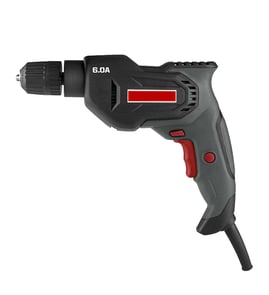
The things you put in a Craftsman 315101230 3/8" reversible drill are usually called bits. If you’re making holes, you use drill bits; if you’re driving screws or other fasteners, you use driver bits.
Common types of bits (and what they do)
- Twist drill bits: general-purpose holes in wood, plastic, and metal (bit choice depends on material)
- Brad-point bits: cleaner, more accurate holes in wood
- Spade bits: fast, rough holes in wood
- Hole saws: large-diameter holes (often for doors, plumbing, wiring)
- Driver bits (Phillips, Torx, square, hex): driving screws and some bolts
- Nut drivers: driving hex-head screws and small nuts
What fits your drill: quick compatibility check
Most 3/8-inch reversible drills like model 315101230 accept round-shank drill bits up to 3/8 inch in diameter. Driver bits typically fit using a bit holder or adapter.
| What you’re doing | What to use | Typical fit note |
|---|---|---|
| Drilling holes | Drill bit | Round shank held by the chuck |
| Driving screws | Driver bit | Often used with a bit holder/adapter |
| Driving hex-head screws | Nut driver | Often used with a hex adapter |
Tips for choosing the right bit
- Match the bit to the material (wood, metal, plastic) to avoid burning or breakage
- Use the correct bit size for the hole or fastener
- Tighten the chuck firmly so the bit does not slip
- Start at a slower speed to keep the bit centered
- Replace dull bits; dull edges overheat and wander
Why it matters
Using the right bit helps your Craftsman drill work efficiently, reduces stripped screws, and prevents damaged workpieces. It also lowers the chance of the bit slipping in the chuck.
For basic electrical troubleshooting on corded drills (like checking a switch, cord, or internal wiring), our how to use a multimeter to test electrical parts video is a solid starting point.
Last updated: February 2026
What are the different parts of a drill bit?
A drill bit has a few main sections that control how it cuts and how it fits your Craftsman 315101230 3/8-inch reversible drill: the shank (gripped by the chuck), the body with flutes (clears chips), and the tip with cutting edges (does the drilling).
Main drill bit parts (quick glossary)
- Shank: The smooth end that the drill chuck clamps onto (round, hex, SDS, etc.).
- Body: The working length between shank and tip.
- Flutes: Spiral grooves that carry material (chips) out of the hole.
- Lands: The raised outer surfaces between flutes that help guide the bit.
- Margins: Narrow bands on the lands that ride the hole wall to keep the bit tracking straight.
- Point (tip): The end that starts the hole.
- Cutting lips (cutting edges): The sharp edges at the tip that actually cut.
What each part affects
| Drill bit part | What it mainly affects | Common symptom when it’s worn/damaged |
|---|---|---|
| Shank | Grip in the chuck, runout | Bit slips or wobbles |
| Flutes | Chip removal, heat | Bit binds, overheats |
| Margins/lands | Straightness, hole finish | Oversized or rough holes |
| Cutting lips/point | Speed and accuracy starting the hole | Skates, drills slowly |
Why it matters for the 315101230 drill
Knowing the bit parts helps us diagnose problems that look like a “weak drill” but are really a bit issue. A dull cutting lip or clogged flutes can make a 3/8-inch reversible drill stall, overheat, or wander even when the motor is fine.
Quick checks before blaming the drill
- Tighten the chuck firmly on the shank (no wobble).
- Clear packed debris from the flutes.
- Inspect the cutting lips for chips or rounding.
- Use the right bit type for the material (wood, metal, masonry).
- Reduce speed and increase steady pressure for metal; back out to clear chips.
For safe electrical troubleshooting steps if you suspect a cord or internal wiring issue instead of the bit, use our guide: how to use a multimeter to test electrical parts video.
Last updated: February 2026
What are the parts of a power drill?
A Craftsman 315101230 3/8" reversible drill is built around a motor that spins the chuck to drive a bit, plus controls and wiring that manage speed and direction. Most drills share the same core assemblies even when the housing shape and features vary by model.
Main parts you will see on most power drills
- Motor: converts electrical power into rotation
- Chuck: clamps the drill bit or driver bit (commonly keyless or keyed)
- Trigger switch: turns the drill on and varies speed (variable-speed triggers are common)
- Forward/reverse selector: changes rotation direction for driving or backing out screws
- Gearbox (if equipped): reduces speed and increases torque
- Brushes (corded and many brushed motors): deliver power to the spinning armature
- Power cord (corded drills) or battery pack (cordless drills)
What each part does (quick reference)
| Part | What it does | Common symptoms when it fails |
|---|---|---|
| Motor | Provides rotation | No power, burning smell, weak power |
| Chuck | Holds the bit | Bit slips, wobble, won’t tighten |
| Trigger switch | Controls on/off and speed | Runs only at one speed, won’t start |
| Forward/reverse | Changes direction | Stuck in one direction, intermittent run |
| Brushes | Feed current to motor | Sparking, loss of power, stops under load |
Why it matters when you’re troubleshooting
Knowing the drill’s main assemblies helps you narrow a problem fast. For example, a drill that has power but will not spin often points to the trigger switch, brushes, or internal wiring, while a spinning drill that will not drive a bit often points to the chuck.
Safe checks we recommend before replacing anything
- Unplug the drill (or remove the battery) before opening the housing.
- Inspect the cord and strain relief for cuts, kinks, or loose connections.
- Check the chuck for damage and confirm it tightens smoothly.
- If the drill is dead, test the cord and switch continuity with a meter.
- Look for loose spade terminals, pinched wires, or heat-darkened connectors.
For electrical testing and wire repair basics, use our guides: how to use a multimeter to test electrical parts video and how to repair broken or damaged wires video.
Last updated: February 2026
How to remove the chuck on a Craftsman drill?
On the Craftsman 315101230 3/8" reversible drill, you typically remove the chuck by taking out the internal retaining screw (if present), then using an Allen wrench in the chuck and sharply turning it to break the chuck loose from the spindle threads.
Before you start (safety and setup)
- Unplug the drill (corded) or remove the battery pack (cordless).
- Set the drill to low speed and reverse (counterclockwise) for removal.
- Tighten the chuck firmly on a large Allen wrench (often 3/8 inch or larger).
- Wear eye protection and gloves; the “break loose” step can be sudden.
- If the chuck is stuck, apply a small amount of penetrating oil at the chuck-to-spindle joint and wait 10 to 15 minutes.
Step-by-step: common Craftsman chuck removal method
- Open the chuck jaws fully and look down inside the chuck.
- If you see a screw inside, remove it first:
- Many drills use a left-hand thread retaining screw, so you loosen it by turning clockwise.
- Clamp the short leg of the Allen wrench in the chuck and tighten hard.
- Hold the drill firmly on a bench.
- Strike the long leg of the Allen wrench with a mallet to turn the chuck loose:
- Turn counterclockwise to unthread the chuck from the spindle.
Quick reference (what turns which way)
| What you are loosening | Typical thread type | Direction to loosen |
|---|---|---|
| Retaining screw inside chuck (if equipped) | Left-hand thread (common) | Clockwise |
| Chuck body from spindle | Right-hand thread (common) | Counterclockwise |
Why it matters
Removing the retaining screw first (when equipped) prevents stripped threads and broken internal gears. Using a large Allen wrench gives you leverage so you can break the chuck free without damaging the spindle.
If it still will not come off
- Recheck that the drill is in reverse.
- Confirm the internal screw is fully removed (if your chuck has one).
- Use a heavier mallet strike on the Allen wrench (controlled, straight hit).
- Inspect for rust or thread-lock compound; reapply penetrating oil and retry.
For general DIY safety and best practices before working on electrical tools, review are diy appliance repairs safe.
Last updated: February 2026
How to change Craftsman drill head?
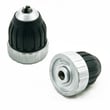
On the Craftsman 315101230 3/8" reversible drill, the “drill head” usually means the chuck. You can either swap the drill bit (quick task) or remove and replace the chuck (repair task). The exact chuck-retaining method varies by chuck style.
Safety and setup
- Unplug the drill (corded) before working on the chuck.
- Set the direction switch to reverse when loosening the chuck.
- Wear eye protection; small parts and bits can slip.
- Clamp the drill body or hold it firmly on a stable bench.
If you only need to change the bit
Most 3/8" drills use one of these chuck types:
- Keyed chuck: use a chuck key to loosen and tighten.
- Keyless chuck: hand-tighten and hand-loosen the sleeve.
- Hex quick-change (driver): pull the collar forward to release the bit.
Keyed chuck steps
- Insert the chuck key into a hole.
- Turn counterclockwise to open the jaws.
- Insert the bit fully.
- Tighten using all key positions for an even grip.
If you need to remove and replace the chuck
- Open the jaws fully.
- Look down inside the chuck for a retaining screw.
- If a screw is present, remove it first (the loosening direction depends on the screw type).
- Tighten a large hex key (Allen wrench) in the chuck.
- Use a sharp strike on the hex key to break the chuck loose, then unthread the chuck by hand.
Common thread directions (what to expect)
These are typical patterns across many drills; confirm by observing how your fastener responds.
| Part you are loosening | Most common thread type | Usual loosening direction |
|---|---|---|
| Chuck retaining screw (inside chuck, if used) | Left-hand | Clockwise |
| Chuck on spindle | Right-hand | Counterclockwise |
Why it matters
Removing the chuck the correct way prevents stripped screw heads, damaged spindle threads, and chuck wobble that causes poor drilling accuracy.
For general DIY safety practices before repairs, use our are diy appliance repairs safe.
Last updated: February 2026