Error Codes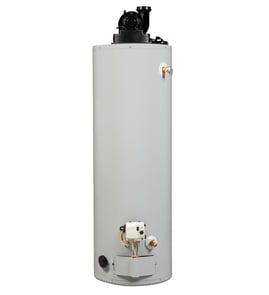



Is A. O. Smith a good quality water heater?
Yes. Ao Smith water heaters, including the Ao Smith GPVH40100 gas water heater, are typically a good-quality choice for most homes when they’re installed correctly and maintained; most performance complaints trace back to venting, combustion air, water quality, or a failing safety or ignition component.
What “good quality” means for a gas water heater
A good-quality unit consistently delivers hot water, lights reliably, vents safely, and protects the tank from overpressure. For the GPVH40100, quality also depends on keeping key safety and combustion parts in good condition.
Common quality indicators we see:
- Stable burner ignition and steady flame
- No nuisance shutdowns from airflow or venting issues
- No leaking at fittings, drain valve, or relief valve
- Consistent recovery time (how fast it reheats)
- Normal operating noise from the blower (not grinding or rattling)
Parts that most affect reliability on the GPVH40100
If you’re judging “quality” by day-to-day reliability, these parts matter most because they directly impact safe operation and consistent heating:
- Water heater burner igniter assembly 100110771 (no-heat, hard-start, ignition failures)
- Water heater exhaust vent blower assembly 100109785 (shutdowns, poor draft, venting faults)
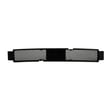
- Water heater air intake screen 100109216 (restricted airflow, sooting, flame issues)
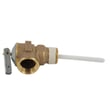
- Water heater temperature and pressure relief valve 100108279 (critical safety device; leaking or weeping needs attention)
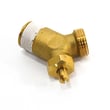
- Drain valve 100263839 (draining for maintenance; leaks at the valve)
Quick “good vs. needs attention” checklist
| What you notice | Usually means | What we recommend |
|---|---|---|
| Burner lights quickly and stays lit | Normal ignition and airflow | Keep intake area clean and unobstructed |
| Blower runs smoothly | Venting system operating normally | Inspect venting for blockage and secure connections |
| Relief valve drips occasionally | Pressure/temperature event or valve wear | Test and replace if it won’t reseat properly |
| Soot smell or yellow, lazy flame | Airflow restriction or combustion issue | Clean intake screen; have combustion checked |
Why it matters
A “good” water heater is not just about hot water; it’s about safe combustion and pressure control. On a power-vent style gas unit like the GPVH40100, airflow and venting components (intake screen and blower) are major drivers of both reliability and safety.
Last updated: February 2026
What is the average labor cost to install a 50 gallon gas water heater?
For a 50-gallon gas water heater like the Ao Smith GPVH40100, average labor to install typically runs $400 to $1,000 for a straightforward replacement. Labor goes higher when the installer must modify venting, adjust gas piping, add code-required safety items, or pull permits.
What changes the labor price most
- Venting work (new vent pipe, power-vent changes, condensate routing)
- Gas line changes (new shutoff, sediment trap, resizing, leak testing)
- Water piping updates (new shutoff valve, dielectric nipples, expansion tank)
- Code and safety add-ons (drain pan, seismic straps, stand, combustion air)
- Access and removal (tight closets, attic installs, stairs, haul-away)
- Permits and inspection time (varies by city and county)
Typical labor scenarios (labor only)
| Install scenario | What it usually includes | Typical labor range |
|---|---|---|
| Like-for-like swap | Disconnect, remove, set new tank, reconnect existing lines, test | $400 to $700 |
| Moderate updates | Minor vent or piping changes, added shutoffs, extra fittings | $700 to $1,200 |
| Complex install | Significant venting changes, gas rework, tight access, multiple upgrades | $1,200 to $2,000+ |
Parts that can affect install time on GPVH40100
If your installer flags worn or leaking components during replacement, having the correct parts ready can reduce delays:
- Water heater temperature and pressure relief valve 100108279 (safety valve; often replaced if corroded, leaking, or mismatched)
- Drain valve 100263839 (helps with future maintenance and flushing)
- Nipples-5" 100109655 (common connection hardware that may be replaced if damaged or seized)
Why it matters
Labor is usually the biggest swing factor in total installed cost because gas water heater installs must be leak-tested and vented correctly. Paying for proper venting, gas safety checks, and code compliance helps prevent nuisance shutdowns and unsafe operation.
Last updated: February 2026
What is the life expectancy of an A. O. Smith hot water heater?
An A. O. Smith tank-style gas water heater like model GPVH40100 typically lasts 8 to 12 years. With consistent maintenance and good water quality, it commonly reaches 12 to 15 years; heavy use, hard water, and neglected flushing shorten lifespan.
Typical lifespan by water heater type
| Water heater type | Typical life expectancy | What most affects it |
|---|---|---|
| Tank (gas or electric) | 8 to 12 years | Sediment, anode condition, temperature setting |
| Tank (well-maintained) | 12 to 15 years | Regular flushing, correct venting, stable gas supply |
| Tankless | 20 to 25 years | Scale control, annual descaling, water quality |
What shortens the life of a tank water heater
- Hard water and sediment buildup that insulates the burner heat from the water
- High temperature settings that accelerate corrosion and scale
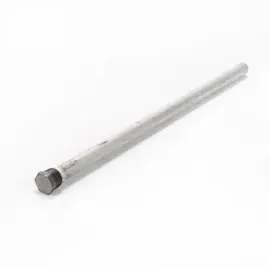
- A failing anode rod (the tank’s main corrosion protection)
- Restricted combustion air or venting issues that stress the burner system
- Small leaks at fittings or the tank that worsen over time
Maintenance that helps you get the full lifespan
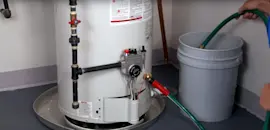
- Flush a few gallons from the drain valve several times per year to reduce sediment (use the drain valve 100263839 if yours is leaking or won’t close).
- Test the temperature and pressure relief valve at least yearly; replace it if it drips, won’t reset, or is corroded (see water heater temperature and pressure relief valve 100108279).
- Keep the air intake area clean so the burner gets proper airflow (inspect and clean the water heater air intake screen 100109216).
- Watch for changes in burner operation; delayed ignition or frequent shutdowns can point to ignition or burner issues.
Why it matters
Once a tank water heater reaches the 8 to 12 year range, the risk of internal tank corrosion and leakage rises quickly. Staying ahead of safety parts (like the T&P relief valve) and sediment control helps you avoid sudden loss of hot water and unplanned replacement.
Last updated: February 2026
What is the most common problem with gas water heaters?
The most common gas water heater problem is loss of heat because the burner is not staying lit (often tied to ignition or airflow issues). On the Ao Smith GPVH40100, also watch for restricted intake air, venting problems, and normal sediment buildup that causes noise and reduced hot water.
Most common symptoms you will notice
- No hot water or water turns lukewarm quickly
- Pilot or burner will not stay lit
- Clicking or repeated ignition attempts
- Rumbling, popping, or banging sounds (sediment)
- Sooty residue near the burner area or around the door
- Water dripping from fittings or the discharge pipe
Quick checks we recommend first (safe, no disassembly)
- Confirm the gas shutoff valve is fully open.
- Make sure the area around the heater has adequate combustion air.
- Inspect and clean the water heater air intake screen 100109216 if it is dusty or lint-covered.
- Listen for the exhaust vent blower; power-vent models rely on the blower to prove draft.
- Look for signs of leaking at the tank connections and drain.
Common causes and the parts that often solve them
| Problem | What it usually means | Parts on this model that are commonly involved |
|---|---|---|
| Burner will not light or won’t stay lit | Ignition failure, flame sensing issue, or burner problem | Water heater burner igniter assembly 100110771, state water heater burner assembly 100110753 |
| Poor draft or shutdowns on power-vent units | Vent blower not running or not moving enough air | Water heater exhaust vent blower assembly 100109785 |
| Rumbling or popping | Sediment buildup in the tank | Drain and flush; consider replacing a worn drain valve 100263839 if it seeps |
| Drips from the relief line | Temperature/pressure relief valve opening or leaking | Water heater temperature and pressure relief valve 100108279 |
Why it matters
A gas water heater that cannot vent properly or cannot maintain a stable flame can shut down repeatedly and leave you without hot water. Catching airflow, ignition, and venting issues early helps prevent nuisance lockouts and reduces wear on key components.
Last updated: February 2026