Owner’s manual
 Error Codes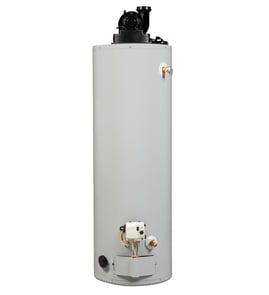




How to check a water heater model?
To check the model on your Kenmore gas water heater, find the model rating plate (rating label) on the tank and read the model number and serial number printed there. For Kenmore model 153330452, the rating plate also lists key specs like input rate and safety valve requirements.
Where to find the model rating plate
On most tank-style gas water heaters like the Kenmore 153330452, the rating label is on the outside of the tank jacket.
Check these common locations:
- On the side of the tank near the gas control valve
- On the front of the tank above the burner access area
- Near the draft hood or vent connection area
- Behind an outer access cover (if your unit has one)
For diagrams and label references, use the owner's manual.
What to write down (and why)
Record these items exactly as shown so you get the right parts and instructions:
- Model number (example: 153330452)
- Serial number (used to identify production details)
- Fuel type (gas) and venting style (shown by the draft hood and vent pipe)
- Input rate (BTU/hr) and other rating information
Quick checklist: gas vs. electric (visual clues)
| What you see | Usually means | Why it matters |
|---|---|---|
| Draft hood and vent pipe on top | Gas water heater | Confirms combustion venting requirements |
| Gas control valve with pilot setting | Gas water heater | Helps match pilot and burner parts |
| Two access panels for heating elements | Electric water heater | Points to element and thermostat parts |
Why it matters
The model rating plate is the fastest way to match repair parts and safety components to your exact heater. For example, the manual notes that the temperature and pressure relief valve must meet specific certification and rating requirements, and the rating plate helps confirm the correct pressure and capacity targets.
Related parts you may match by model
If you are identifying the model to order common maintenance parts, these are frequently tied to the exact model and rating:
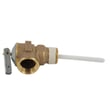
- Water heater temperature and pressure relief valve 100108279
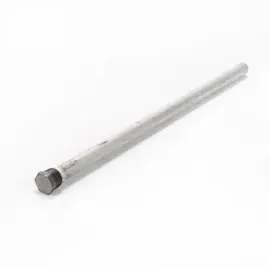
- Anode rod 100108660
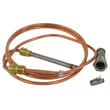
- Water heater pilot tube assembly 100108370
Last updated: February 2026
What is the average cost of a 50 gallon gas water heater?
A 50-gallon gas water heater typically costs about $600 to $1,300+ for the unit, depending on venting type, efficiency, and warranty; installed cost commonly runs about $1,000 to $3,100+ including labor and materials. For Kenmore model 153330452, confirm your exact capacity and configuration in the owner's manual.
What changes the price the most
- Venting type: atmospheric vent is usually less; power vent/direct vent costs more
- Efficiency level: higher efficiency models cost more up front
- Warranty length: longer warranties usually increase the unit price
- Gas line and vent updates: resizing vent pipe, adding shutoff/connector, or code-required changes
- Location and access: tight closets, attic installs, or long runs increase labor
- Add-ons: expansion tank, drain pan, seismic straps, or new shutoff valves
Typical cost ranges (unit vs. installed)
| What you’re paying for | Typical range | What’s included |
|---|---|---|
| Unit only | $600 to $1,300+ | Water heater tank and gas control components (varies by model) |
| Installed total | $1,000 to $3,100+ | Unit, removal/haul-away, hookups, venting/gas/water materials, labor |
How to estimate your installed cost more accurately
- Match tank size (50-gallon vs. 40-gallon) and gas type (natural gas vs. LP)
- Check whether your current setup is atmospheric vent or power vent
- Inspect for corrosion/leaks at fittings and the T&P discharge line
- Plan for maintenance parts that protect the tank long-term, such as an anode rod
- Use your model number to price common replacement parts like the anode rod 100108660 and the water heater temperature and pressure relief valve 100108279
Why it matters
Choosing the wrong venting type or capacity can drive up installation cost fast and can also affect hot water recovery and safety. Using the correct parts for Kenmore 153330452 helps keep performance consistent and prevents repeat service.
Last updated: February 2026
What is the life expectancy of a Kenmore water heater?
A Kenmore gas water heater like model 153330452 typically lasts 8 to 12 years. Regular maintenance (especially flushing sediment and checking corrosion protection) helps you reach the high end of that range and reduces problems like poor heating and leaks.
What affects water heater lifespan most
- Water quality and sediment: hard water speeds sediment buildup and overheating.
- Anode rod condition: a worn anode rod lets the tank corrode faster.
- Temperature setting: higher settings increase stress on the tank and components.
- Maintenance frequency: periodic draining and inspection prevents premature failure.
- Venting and combustion: improper venting can cause performance issues and condensation.
Maintenance that extends life (practical checklist)
Use your owner's manual for the exact steps and safety details for your 153330452.
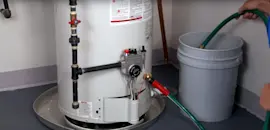
- Flush a few gallons from the drain valve periodically to reduce sediment.
- Inspect for water leaks at fittings and the tank base.
- Watch for pilot issues (pilot going out, delayed ignition, weak flame).
- Check the temperature and pressure relief valve for proper operation.
- Replace corrosion protection parts when needed, such as the anode rod 100108660.
Common “end of life” symptoms vs. fixable issues
| Symptom | Often means | What to do next |
|---|---|---|
| Rusty or metallic-smelling hot water | Anode rod depleted | Inspect and replace anode rod |
| Rumbling/popping sounds | Heavy sediment | Flush tank and reduce temperature |
| Pilot won’t stay lit | Pilot/thermocouple issue | Inspect pilot system components |
| Water under heater | Leak or condensation | Identify source; address fittings or plan replacement |
Why it matters
A water heater that is near the end of its service life is more likely to develop tank corrosion and heating inefficiency. Staying ahead of sediment and anode rod wear helps protect the tank and keeps recovery time and fuel use in check.
Last updated: February 2026
What is the most common problem with gas water heaters?
The most common gas water heater problem is a pilot that will not stay lit, which leads to no hot water. On Kenmore model 153330452, pilot outages are often tied to venting and combustion air issues, or moisture and condensation affecting the burner area; follow the checks in the owner's manual.
Most common symptoms you will notice
- No hot water (burner never lights)
- Pilot goes out shortly after lighting
- “Frying” or sizzling noises during operation
- Water on the floor that looks like a leak (but can be condensation)
- Hot water temperature that seems inconsistent
What usually causes it (and what to check first)
Start with the basics that most often stop a gas water heater from running reliably:
- Venting problems: Obstructed or deteriorated venting can cause unsafe operation and shutdowns; confirm the vent system is clear and in good condition.
- Combustion air blocked: Keep airflow openings clear; blocked air can affect burner performance.
- Condensation dripping onto the burner: Excessive condensation can run down the flue tube and put out the pilot; after the tank warms up (about 1 to 2 hours), this can disappear.
- Pilot/ignition components: If the pilot will not stay lit, common service parts include the pilot assembly 100108373 or water heater pilot tube assembly 100108370.
- Gas type mismatch: Use only the gas type shown on the rating plate; the wrong gas can cause serious operating problems.
Quick guide: symptom to likely area
| Symptom | Most likely area to inspect | Common related part |
|---|---|---|
| Pilot will not stay lit | Pilot flame quality, safety sensing | Pilot assembly, pilot tube assembly |
| Pilot goes out after a short run | Condensation, venting draft | Venting system, pilot tube assembly |
| Water on floor early in heat-up | Condensation (not a tank leak) | None |
| Rumbling or popping noises | Sediment buildup in tank | Drain valve (for flushing) |
Why it matters
A weak pilot, poor venting, or blocked combustion air can stop hot water production and can also create unsafe venting conditions. Addressing airflow and venting first prevents repeat pilot outages and helps the heater run efficiently.
Last updated: February 2026