Owner’s manual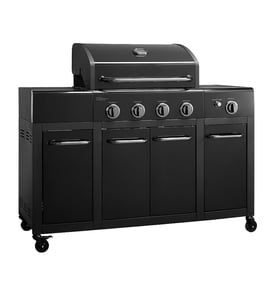

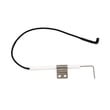
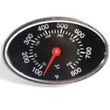
How to start a 12220148511 propane grill?
To start your Bbq-Pro propane grill model 12220148511, open the lid, turn on the LP tank valve, then push in and turn a main burner knob to HIGH while pressing and holding the electronic ignition button until the burner lights (release once lit). See the owner's manual for the exact lighting sequence and safety warnings.
Quick start steps (main burners)
- Confirm all control knobs are in OFF.
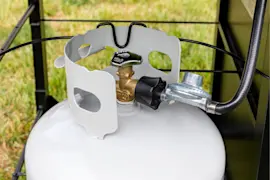
- Make sure the LP cylinder has fuel and the regulator is connected securely.
- Turn the LP tank valve on slowly.
- Open the grill lid fully before lighting.
- Push in and turn one main burner knob to HIGH.
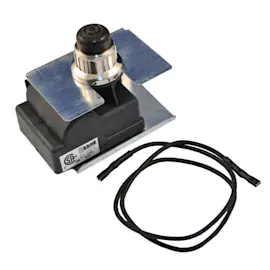
- Press and hold the electronic ignition button until the burner lights.
- If it does not light within 5 seconds, turn the knob to OFF, wait 5 minutes, then retry.
If ignition does not work
If the burner will not light after a couple of tries, use the reset/purge steps commonly needed after connecting a new tank or if the regulator’s excess-flow device trips:
| Situation | What to do | What you should see |
|---|---|---|
| New tank connected or weak gas flow | Turn knobs OFF, close tank valve, disconnect regulator, wait 5 minutes, reconnect | Normal gas flow returns |
| Regulator reset | Open tank valve slowly to about 1/4 to 1/2 open, then light with lid open | Burner lights more easily |
| Still no ignition | Light by match after the 5-minute wait (per manual procedure) | Burner lights without the igniter |
Why it matters
Lighting with the lid open and using the 5-second/5-minute timing helps prevent a buildup of unburned propane in the firebox. That reduces the chance of flare-ups and makes ignition more reliable.
Helpful tools and checks
- Long grill lighter or match holder (for match lighting)
- Soapy water solution to check for gas leaks at connections
- Clean burner ports and burner tubes if ignition is inconsistent
- Basic hand tools for tightening hardware and access panels
Last updated: February 2026
Is it worth fixing a gas grill?
Yes, it’s worth fixing your Bbq-Pro gas grill model 12220148511 when the firebox and frame are solid and the problem is limited to serviceable items like the regulator/hose, burner tubes, or clogged orifices; it’s time to replace the grill when the main body is rusted through or warped.
Quick decision checklist
- Fix it if the grill lights but heats unevenly, has low flame, or needs cleaning and minor parts.
- Fix it if the issue is likely a regulator/hose problem, air in the gas line, or a burner/orifice obstruction.
- Replace it if the firebox is rusted through, the base is unstable, or key structures are failing.
- Replace it if you repeatedly smell gas or hear persistent hissing after shutting everything off.
- Fix it if you can restore safe operation by following the safety and setup steps in the owner's manual.
Common “worth fixing” problems on this model
Many performance issues come from fuel delivery or burner airflow, not the grill body.
| Symptom | Likely cause | Typical fix |
|---|---|---|
| Low flame or poor heat | Regulator excess-flow device tripped; air in line | Reset regulator; purge air when connecting a new tank |
| Won’t light consistently | Burner tubes not seated on valve orifices | Re-seat burner tubes over orifices |
| Uneven flames | Plugged orifice or burner ports | Clean orifice carefully with fine wire; clean burner ports |
| “Flash-back” (fire in burner tubes) | Spider webs or insect nests in burner tubes | Clean burner tubes and ports before using |
Safety and cost factors that matter
A grill repair is only “worth it” when it restores safe, controllable flames. For LP setups, the manual calls out key safety basics: use the correct tank orientation (upright), keep the grill outdoors with proper clearance, and inspect the regulator/hose before each use.
Before you decide, inspect these items
- Firebox and lid: heavy rust, holes, or warping
- Frame and cart: stability, corrosion at load points
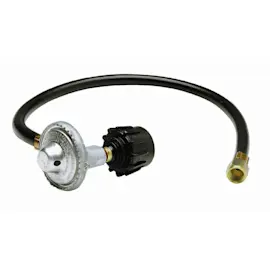
- Regulator/hose: cuts, cracking, abrasion, heat damage
- Burner tubes: blockage (spiders/insects), corrosion, misalignment
- Control knobs/valves: smooth operation and positive OFF
Why it matters
A solid grill body with a fuel-delivery or burner obstruction issue is usually a practical repair; a compromised firebox or unsafe gas condition is not. Using the correct LP tank size and placement clearances also protects performance and reduces flare-up risk.
Last updated: February 2026
What is the average lifespan of a gas grill?
Most gas grills last about 10 years with normal use; many run 5 to 15 years depending on build quality, how often you cook, and how well you protect the grill from weather. For your Bbq-Pro model 12220148511, regular burner cleaning and safe storage practices in the owner's manual help you reach the high end of that range.
Typical lifespan by what wears out first
Even when the grill body is still solid, a few high-heat parts usually determine when performance drops.
- Burners: commonly fail first from corrosion or clogged ports
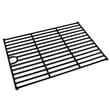
- Cooking grates: wear from heat cycling, scraping, and rust
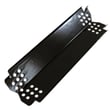
- Heat plates/flame tamers: corrode and warp over time
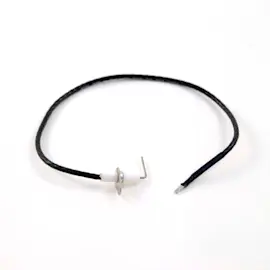
- Ignition parts (electrode/wires): can foul or loosen and cause lighting issues
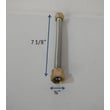
- Regulator/hose: can age and restrict gas flow
| Component | What you’ll notice | What to do |
|---|---|---|
| Burners | uneven flame, yellow flames, weak heat | clean ports; replace if cracked/holed |
| Grates | heavy rust, flaking, sticking | clean/season (cast iron) or replace |
| Ignition | clicking but no ignition | clean electrode/wires; check connections |
| Regulator/hose | low flame even with full tank | reset regulator; inspect and replace if needed |
Maintenance that extends grill life
Our best practices for a propane gas grill like the Bbq-Pro 12220148511:
- Inspect burners at least yearly and also after flare-ups or long storage
- Clean burner ports with a stiff wire (an opened paper clip works well)
- Brush burner exteriors with a nylon brush or fiber pad to remove residue
- Keep the LP cylinder upright (90°) and use a standard 20 lb LP tank
- Store the LP tank outdoors when the grill is stored indoors (never in enclosed areas)
Why it matters
A grill that is clogged, corroded, or has insect nests in the burner tubes can lose heat, cook unevenly, and create unsafe flame behavior. The manual specifically calls out spider and insect nesting as a serious hazard and recommends inspecting the grill at least twice a year.
Last updated: February 2026