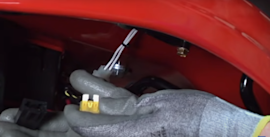
Installation guide
 Owner’s manual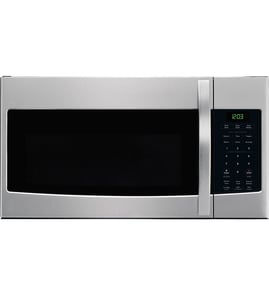
What is the average lifespan of a GE microwave?
A GE microwave typically lasts 7 to 10 years with normal household use and basic care. For your GE over-the-range model PVM1870SM3SS, avoiding “empty” run time and keeping the venting and door system in good shape helps you reach the upper end of that range (see the PVM1870SM3SS owner’s manual).
Typical lifespan ranges (what to expect)
Most microwaves fall into a predictable window based on how hard they work.
- 7 to 8 years: average family use (multiple cycles per day)
- 9 to 10 years: lighter use (single person or couple) plus good cleaning habits
- Shorter lifespan: frequent overheating, heavy grease buildup, or repeated door slamming
| Usage pattern | What it looks like | Typical lifespan |
|---|---|---|
| Light | 1 to 3 short cycles/day | 9 to 10 years |
| Average | 3 to 8 cycles/day | 7 to 8 years |
| Heavy | long cook times, frequent reheats | 5 to 7 years |
What shortens microwave life fastest
The biggest “lifespan killers” are heat stress and door safety switch wear.
- Running the microwave with no food inside (even 1 to 2 minutes can overheat components)
- Repeated overheating from long cook times with poor airflow
- Slamming the door or forcing it shut (stresses the latch and interlock system)
- Grease buildup around the hood fan and filters (reduces ventilation)
- Ignoring early symptoms like weak heating, buzzing, or intermittent operation
Parts that commonly affect longevity on PVM1870SM3SS
If the microwave stops heating or acts erratically, these are common suspects on this model.
- Microwave magnetron WB27X10880 (primary heating component)
- Microwave high-voltage capacitor WB27X10011 (supports the high-voltage circuit)
- Micro-switch WB24X830 (door interlock safety switch)
Why it matters
A microwave that is overheating internally or has a worn door interlock can fail sooner and may also stop running altogether. Following the operating and safety guidance in the PVM1870SM3SS owner’s manual helps protect key components like the magnetron and high-voltage system.
Last updated: February 2026
Is GE Profile considered high end?
Yes. GE Profile is GE’s premium tier, positioned above standard GE models with more advanced features, upgraded styling, and higher-end options. For your GE microwave/hood combo model PVM1870SM3SS, the exact feature set depends on the specific configuration listed in the PVM1870SM3SS owner’s manual.
What “high end” typically means for GE Profile
GE Profile appliances are usually considered high end within the GE lineup because they commonly include:
- More feature-rich controls and cooking/venting modes
- More refined finishes and design details (often stainless steel)
- Higher performance components in key systems
- More convenience features (sensors, presets, lighting options)
- Stronger warranty coverage on certain components in some Profile models
How to tell if your microwave is a GE Profile model
We recommend confirming using the model tag and the documentation for PVM1870SM3SS.
| What to check | Where to look | What you’re confirming |
|---|---|---|
| Model number | Rating label inside the microwave | Matches PVM1870SM3SS |
| Branding | Front panel or door area | “GE Profile” badge/marking |
| Feature list | PVM1870SM3SS owner’s manual | Sensor cooking, vent fan features, settings |
Why it matters
Knowing whether you have GE Profile helps set expectations for features, parts pricing, and service approach. For example, the manual notes that GE Profile models can have extended coverage on the magnetron tube compared with standard models, which can affect repair decisions.
Last updated: February 2026
What are common problems with GE Profile microwaves?
Common GE Profile microwave issues (including model PVM1870SM3SS) usually come down to door-interlock problems, heating failures in the high-voltage system, or normal behaviors that look like a defect (steam around the door, dimming light, or vent-door clicking). Use the PVM1870SM3SS owner’s manual to separate normal operation from a true failure.
Most common symptoms and what they usually point to
- Microwave will not start: door not closing fully, worn latch, or a failed door interlock switch
- Runs but does not heat: high-voltage component problem (magnetron, capacitor, diode, transformer)
- Stops mid-cycle or seems dead: thermal cut-off opening, loose wiring, or power supply issue
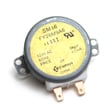
- Turntable not rotating: failed turntable motor or obstruction
- Loud hum or unusual noise while heating: high-voltage component strain (service recommended)
What’s normal on this model (and similar GE Profile units)
The manual lists several conditions that are normal during operation and do not indicate a failure:
| What you notice | Why it happens | What to do |
|---|---|---|
| Steam or vapor around the door | Moisture from cooking | Wipe moisture after cooking |
| Moisture between door panels | Certain foods create more vapor | It should dissipate after cooking |
| Light dims, blower sound changes | Power levels cycle energy | Normal at power levels below High |
| Clicking as vent door opens/closes | Vent door operates to cool electronics | Normal during operation |
Parts that commonly fail when the microwave won’t start
If the display works but the unit will not run, we focus on the door-interlock system first because it is designed to prevent operation with an unsafe door condition.
- Micro-switch WB24X830 (door interlock switch)
- Microwave latch body WB06X10676 (door latch mechanism)
- Microwave door interlock switch lever WB06X10128 (actuator that triggers the switch)
Why it matters
A microwave that will not start is often a door-safety circuit issue, while a microwave that runs but does not heat is typically a high-voltage heating issue. Correctly identifying the symptom helps you avoid replacing the wrong part and reduces downtime.
Quick safety and use checks we recommend
- Do not run the microwave empty; the manual warns this can damage the magnetron and create a fire risk.
- Pierce foods with skins (potatoes, hot dogs, etc.) to prevent bursting.
- Use extra care heating liquids; superheating can cause sudden boil-over when disturbed.
For deeper troubleshooting by symptom, use why is my microwave not heating.
Last updated: February 2026