
Can I use .095 trimmer line in a .080 trimmer?
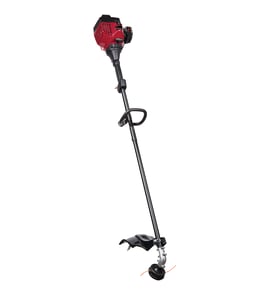
Yes, you can often run .095-inch trimmer line in a trimmer rated for .080-inch line, but it only works reliably if the cutting head and spool can physically accept the thicker line. On the MTD 41DD25SC793, the safest approach is to match the line size to what your installed spool is designed to hold.
- More load on the engine: thicker line takes more power to spin and can bog down a small 2-cycle trimmer.
- More vibration and wear: the clutch and flexible drive components work harder.
- Feeding issues: bump-feed heads can jam if the line is too thick for the eyelets or spool channels.
- Cutting performance: .095 can cut heavier weeds better, but it is slower in light grass.
- Remove the spool and confirm the line channel width can seat .095 without pinching.
- Check the eyelets/line outlets in the cutting head for clearance.
- Wind a short test length evenly; if it overlaps or binds, go back to .080.
- If the head stops feeding smoothly, step back down to .080.
| Line size | Best for | Typical result on smaller trimmers |
|---|---|---|
| .080 | Grass, light weeds | Smooth feeding, easier starting |
| .095 | Heavier weeds | More cutting power, higher load |
Using line that is too thick commonly causes poor bump-feed, stalling under load, and extra wear on the clutch and drive system. If you notice bogging or frequent jams, returning to .080 protects performance and parts life.
If you need a replacement spool for your setup, match it to the exact part used on this model, such as the MTD line trimmer spool 731-12545A-1.
Last updated: February 2026
What are the most common issues with 41DD25SC793?
The most common problems we see on the MTD 41DD25SC793 gas line trimmer are fuel and starting issues (dirty carburetor, clogged air filter, fuel cap venting), string feed or cutting head problems, and drive or throttle control wear. These issues usually trace back to routine maintenance parts.
- Won’t start or only runs on choke: restricted fuel flow, gummed carburetor, dirty air filter
- Starts then stalls at idle: carburetor metering issue, air leak at carburetor mount gasket, clogged fuel cap vent
- Loses power under load: dirty air filter, muffler restriction, fuel delivery problem
- String won’t advance or keeps breaking: worn spool, incorrect line size, debris packed in the head
- Head spins poorly or vibrates: worn drive shaft components, loose hardware, damaged cutting head spacer
If your symptoms match, these are the most frequently replaced parts for this model:
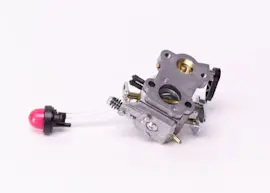
- MTD line trimmer carburetor 753-06190
- MTD line trimmer air filter 753-06417
- Ryobi lawn & garden equipment engine fuel tank cap 791-182612
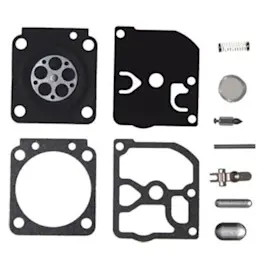
- Lawn & garden equipment engine carburetor mount gasket 753-06253
- MTD line trimmer spool 731-12545A-1
- Drain old fuel; refill with fresh, properly mixed fuel (2-cycle mix) and a clean container.
- Inspect and replace the air filter if it is dark, oily, or falling apart.
- Check the fuel cap: if loosening the cap briefly improves running, the cap vent is restricted.
- Clean debris from the cutting head; rewind line evenly and avoid overfilling the spool.
- Verify fasteners are snug around the guard and cutting head to reduce vibration.
| Symptom | Most likely area | Common part to check |
|---|---|---|
| Won’t start / runs only on choke | Fuel/air mix | Carburetor, air filter |
| Stalls at idle | Air leak or carb tuning | Carburetor mount gasket |
| String feed issues | Cutting head | Spool |
| Vibration / poor drive | Driveline | Drive shaft components |
A small restriction in fuel or airflow makes a 2-cycle trimmer run lean, stall, or surge; worn cutting head parts waste line and strain the clutch and drive shaft. Replacing the right maintenance part restores power and reduces wear on the engine.
Last updated: March 2026
What is the average lifespan of 41DD25SC793?
The average lifespan of the MTD 41DD25SC793 gas line trimmer is 8 to 10 years with normal homeowner use and routine maintenance. Keeping the fuel system clean and replacing wear items on schedule makes the biggest difference in how long this trimmer runs reliably.
- Fuel quality and storage: fresh, properly mixed fuel and draining or stabilizing fuel for storage
- Airflow and filtration: a clean air filter prevents premature engine wear
- Cutting load: heavy weeds and constant wide-open throttle shorten life
- Cooling and exhaust: a clear muffler and cooling fins prevent overheating
- Vibration and driveline wear: a worn drive shaft or clutch accelerates failures
- Replace the air filter regularly; use the exact MTD line trimmer air filter 753-06417
- Keep the fuel system sealed and clean; inspect the tank and cap for leaks (fuel smell, wet spots)
- If it runs only on choke, surges, or won’t idle, service the carburetor; use the exact MTD line trimmer carburetor 753-06190
- Inspect the cutting head and line feed; replace a cracked or jammed spool with MTD line trimmer spool 731-12545A-1
- If the head stops under load or the shaft chatters, inspect the lower shaft; replace with line trimmer drive shaft assembly, lower 611P05588 when worn
| Item | Typical service interval | What you’ll notice when it’s due |
|---|---|---|
| Air filter | Every season | Hard starting, loss of power |
| Carburetor (clean/rebuild/replace) | 3 to 6 years | Surging, won’t idle, only runs on choke |
| Spool/cutting head parts | As needed | Poor line feed, vibration, line breaks |
| Drive shaft/clutch components | 5 to 10 years | Rattling, head stops under load |
Most “end of life” trimmer problems are actually fuel-system or airflow issues. Replacing a few common parts and keeping fuel fresh often restores performance and prevents engine damage that shortens the overall lifespan.
Last updated: March 2026